
NASA Pushes Artemis III Launch to Late 2027

NASA Administrator Jared Isaacman confirms SpaceX and Blue Origin lunar landers won't be ready until late 2027 for the next Artemis mission in Earth orbit.
NASA Administrator Jared Isaacman delivered significant news to lawmakers on Monday, announcing that both SpaceX and Blue Origin, selected as the agency's primary lunar lander contractors, have indicated their spacecraft will not be flight-ready until late 2027. This revised timeline marks a notable shift from NASA's previously optimistic schedule for the ambitious Artemis III mission, representing a critical juncture in the agency's long-term plans to return humans to the Moon.
The Artemis III mission will take a distinctly different approach compared to earlier lunar missions in the program. Rather than immediately returning astronauts to the lunar surface, this mission will focus on a crucial intermediate step: launching an Orion capsule carrying a crew of astronauts to rendezvous and potentially dock with one or both of the commercial landers in Earth orbit. This orbital staging approach represents a strategic pivot, allowing NASA to conduct critical testing and validation of both the spacecraft and operational procedures in a relatively safe environment before committing to more ambitious deep-space missions.
The detailed flight plan for Artemis III remains actively under review by NASA engineers and mission planners, with several fundamental decisions still pending. Key unresolved questions include the specific altitude at which the orbital rendezvous will occur and the precise configuration of the Space Launch System (SLS) rocket that will carry the Orion capsule skyward. These decisions will have cascading effects on mission architecture, resource allocation, and the timeline for subsequent Artemis missions aimed at achieving lunar surface landings.
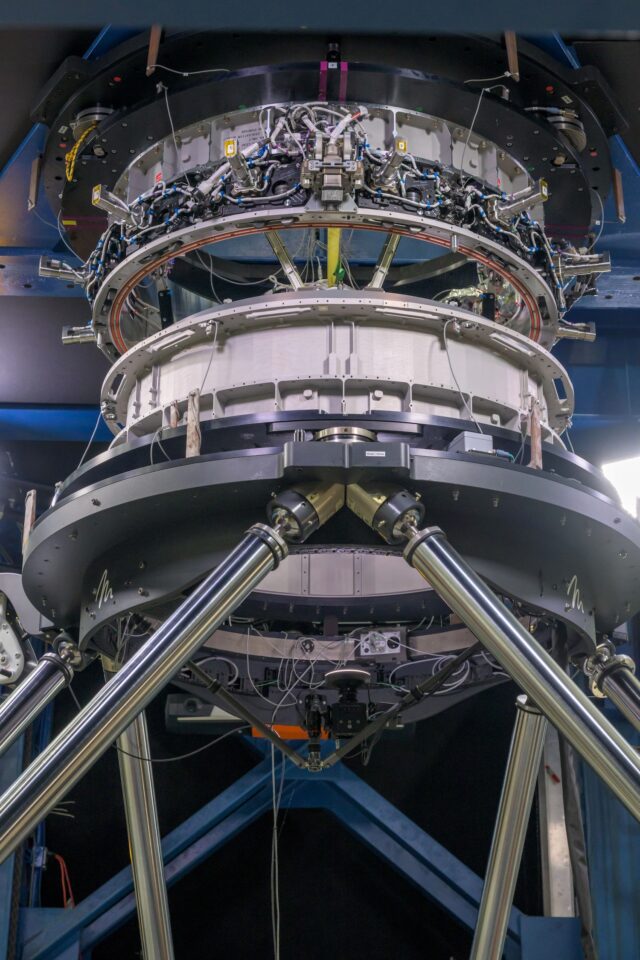
The altitude question carries particular significance for mission planning. A mission profile targeting low Earth orbit, at altitudes of just a few hundred miles above the planet's surface, would allow NASA to preserve the SLS upper stage that is currently in storage at various NASA facilities. By conserving this expensive and resource-intensive component, NASA could reserve it for the subsequent Artemis IV mission, which aims to conduct the actual crewed lunar landing. Conversely, if NASA selects a higher orbital altitude for the Artemis III rendezvous, the mission would require deployment of the SLS upper stage, consuming a resource that would need to be replaced for future deep-space missions.
The trade-offs between these orbital altitude options reflect broader strategic considerations facing NASA's human spaceflight program. While a low Earth orbit mission would be more resource-efficient and carry lower operational risk, it would provide limited opportunity to test spacecraft systems in an environment similar to the challenging conditions of lunar space. A higher orbit would present more opportunities for realistic mission rehearsal and systems validation, but at the cost of additional resource consumption and potentially greater mission complexity.
To address these resource constraints, NASA has undertaken a strategic initiative to develop new commercial partnerships. The agency is procuring a new commercial upper stage, specifically the Centaur V vehicle from United Launch Alliance, which will be paired with the Space Launch System for future deep-space missions. This acquisition represents a significant strategic shift, allowing NASA to maintain a robust schedule of ambitious missions while distributing the technical and financial burden across multiple contractors and leveraging commercial spaceflight innovation.
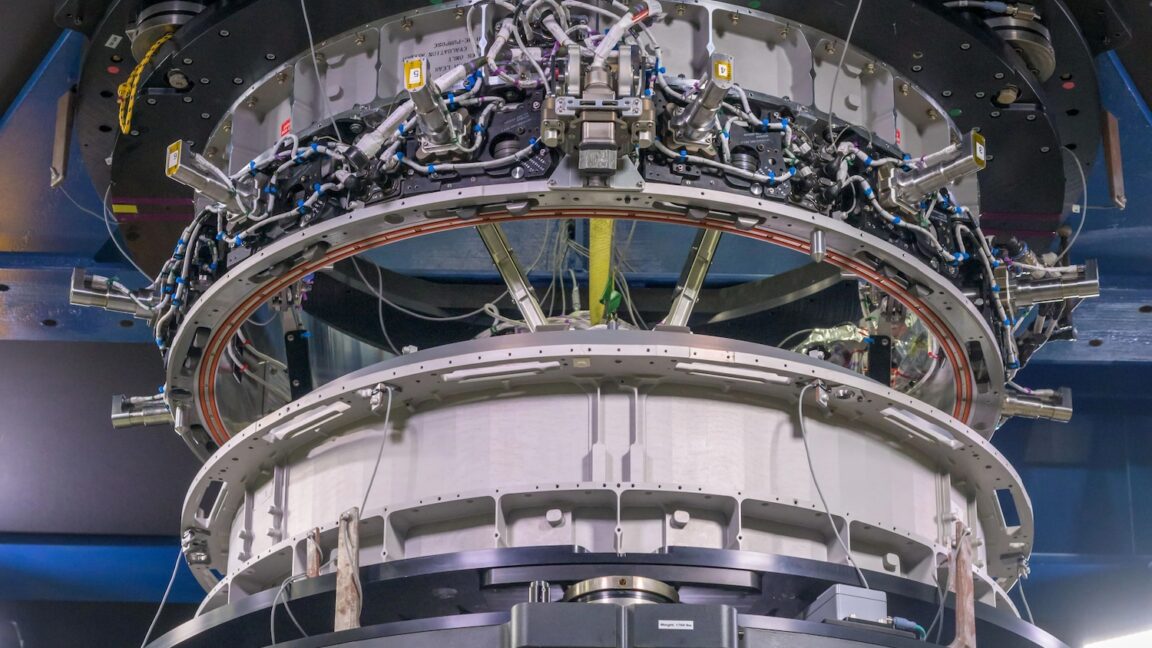
The late 2027 timeline for Artemis III reflects the complex technical challenges inherent in developing cutting-edge spacecraft systems at the scale and sophistication required for human spaceflight. Both SpaceX, with its Starship-derived lunar lander concept, and Blue Origin, developing the Blue Moon lander system, face significant engineering hurdles in designing and validating spacecraft that must safely carry astronauts to orbit, perform rendezvous maneuvers, and return crews to Earth. The additional time provided by the revised schedule allows these contractors to conduct more thorough testing, validation, and safety verification of their systems.
This Artemis program revision underscores the reality of large-scale space exploration programs, where ambitious timelines often encounter technical realities that demand schedule adjustments. Rather than representing a setback, the revised Artemis III timeline reflects a more grounded and achievable plan for returning Americans to deep space. The deliberate, methodical approach embodied in the new schedule prioritizes mission success and crew safety over aggressive scheduling targets that could compromise the program's scientific objectives.
The Artemis program's overall vision remains unchanged: establishing sustainable human presence on the Moon and using lunar exploration as a stepping stone toward eventual human Mars missions. The Artemis III Earth orbit rendezvous mission serves as a critical validation point in this long-term strategy, allowing NASA and its commercial partners to demonstrate the ability to conduct complex orbital operations with advanced spacecraft systems in preparation for more ambitious missions to follow.
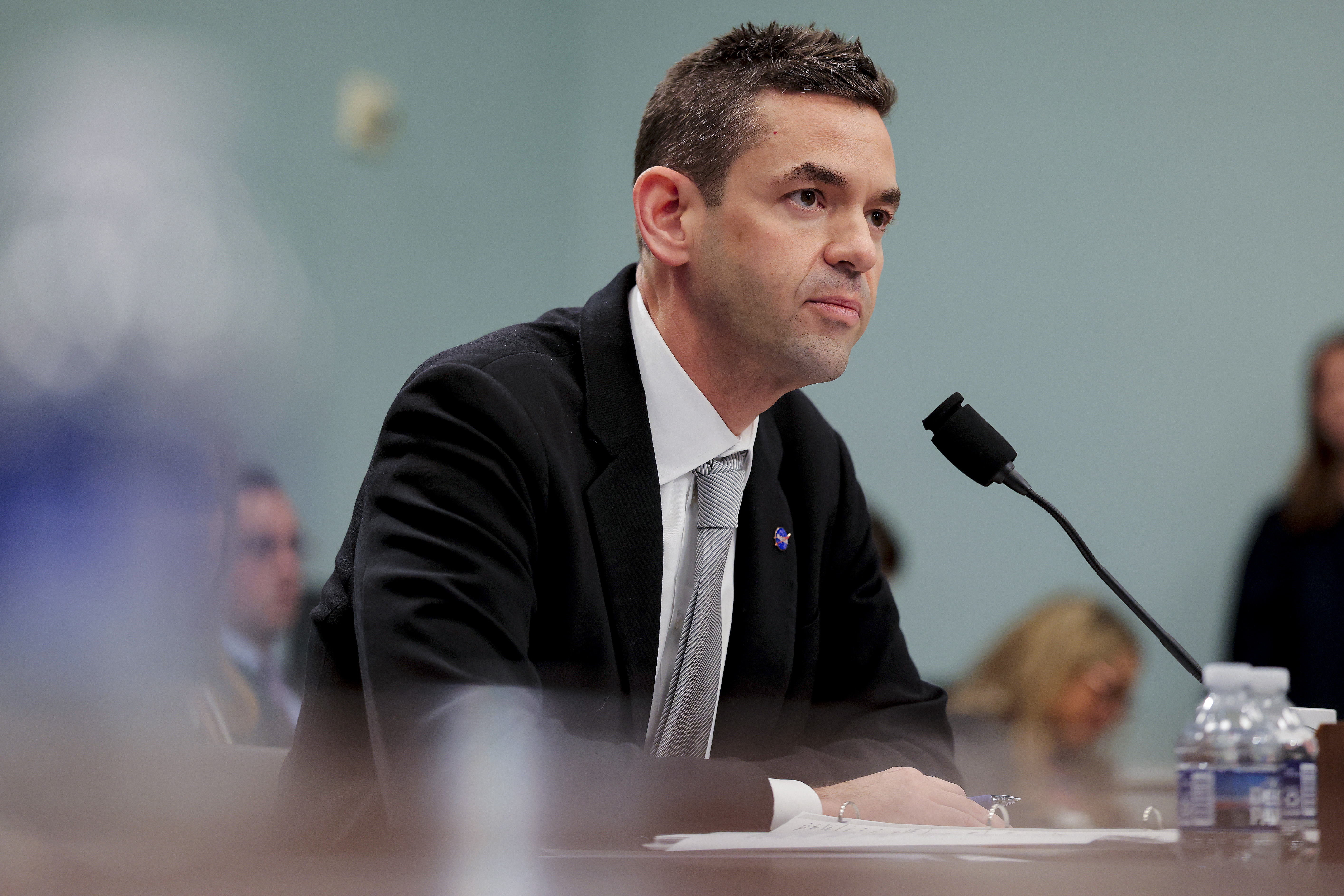
Isaacman's testimony to lawmakers emphasized the importance of maintaining realistic timelines while continuing to advance NASA's human spaceflight capabilities. The Administrator highlighted the collaborative nature of the Artemis program, which leverages the innovation and efficiency of commercial space companies while maintaining NASA's leadership role in human space exploration. This public-private partnership model has become increasingly central to NASA's strategy for achieving ambitious exploration goals within constrained budgetary environments.
As NASA moves forward with Artemis III preparations, the agency will continue evaluating the specific mission parameters, including orbital altitude, spacecraft configurations, and operational procedures. These decisions will be informed by ongoing technical assessments, risk analyses, and strategic considerations about how the Artemis III mission can best serve as a stepping stone toward the ultimate goal of sustained lunar exploration and eventual human missions to Mars. The path forward, while requiring patience, demonstrates NASA's commitment to advancing human spaceflight through deliberate, well-planned, and thoroughly validated mission architectures.
Source: Ars Technica


