
NASA's Ambitious Monthly Moon Landings: What It Takes

NASA aims for 21 lunar landings in 2.5 years. Discover the challenges, infrastructure needs, and oversight required for this unprecedented mission.
NASA has set an extraordinarily ambitious target: landing on the Moon as many as 21 times within the next two and a half years. This audacious goal represents a dramatic acceleration from historical lunar landing rates and signals a fundamental shift in how the space agency approaches lunar exploration. However, achieving this frequency will demand far more than simply increasing launch cadence—it requires a comprehensive transformation of NASA's procurement strategies, manufacturing capabilities, and project management philosophies.
The path to monthly lunar landings is fraught with technical and organizational obstacles. Three of the last four United States lunar landing attempts have encountered critical failures, underscoring the inherent risks and complexity involved in precision landing operations near the Moon's surface. These recent setbacks serve as sobering reminders that accelerating the cadence of missions without simultaneously addressing underlying technical challenges could lead to compounded failures rather than sustained success. NASA must therefore undertake a rigorous assessment of what went wrong in previous attempts and implement systematic corrections before scaling up operations.
One of the most critical factors in NASA's ability to achieve frequent Moon landings involves restructuring how the agency procures and manages lunar lander development. Traditionally, NASA has worked with individual contractors on custom-designed vehicles, a process that is both time-intensive and expensive. To support 21 landings in such a compressed timeframe, NASA will need to shift toward a more streamlined acquisition model that emphasizes modularity, reusability, and off-the-shelf components where possible. This represents a significant departure from NASA's historical approach and will require careful negotiation with both existing and new suppliers within the aerospace industry.
The supply chain management issues that have plagued NASA's operations for years present another formidable challenge. Critical components and subsystems have frequently experienced delays, quality control problems, and manufacturing defects that cascade through entire programs. These supply chain inefficiencies have contributed directly to the launch delays and technical failures that characterize recent lunar exploration attempts. To enable monthly landing operations, NASA must establish stronger relationships with suppliers, implement more rigorous quality assurance protocols, and create buffer capacity throughout the supply chain to absorb inevitable disruptions.
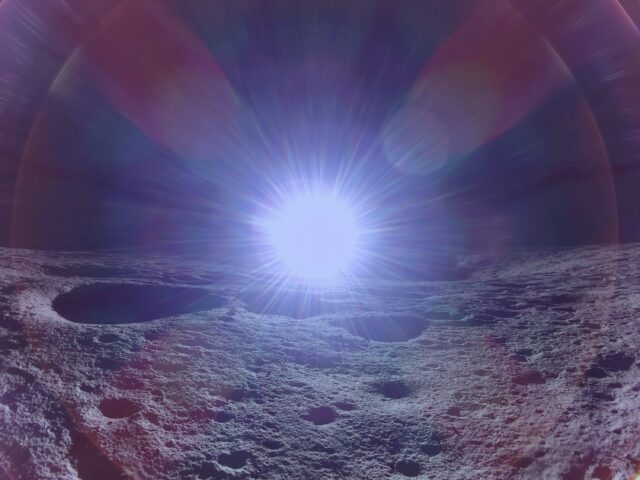
It is important to note that these robotic lunar landings operate separately from NASA's Human Landing System program, which represents a parallel effort to develop crewed lunar transportation. The Human Landing System maintains contractual relationships with SpaceX and Blue Origin, tasking these companies with developing and delivering human-rated landers capable of safely transporting astronauts to and from the lunar surface as part of the broader Artemis initiative. While these crewed landers follow their own development timeline and face their own unique challenges, they operate within the same organizational and supply chain ecosystem as the robotic missions.
The robotic and cargo missions that NASA envisions represent a diverse portfolio of landing types and payloads. These vehicles will not simply touch down and remain idle; instead, they will conduct sophisticated operations designed to advance multiple strategic objectives. Some missions will focus on lunar reconnaissance, deploying sensors and instruments to map resources, assess surface conditions, and identify optimal locations for future human base establishment. Other missions will serve as technology demonstrators, testing new landing systems, propulsion approaches, and operational techniques that will inform future human missions and enable more ambitious exploration activities.
Resource utilization and extraction capabilities represent another critical component of NASA's lunar strategy that must be advanced through the proposed landing cadence. Several of the planned missions will test technologies related to identifying and potentially extracting water ice and other valuable resources from lunar regolith. This is not merely an academic exercise; successful resource utilization would fundamentally transform the economics of lunar exploration by enabling fuel production and life support systems to operate independently rather than relying entirely on Earth resupply. The 21-landing program provides an essential proving ground for validating these critical technologies at scale.
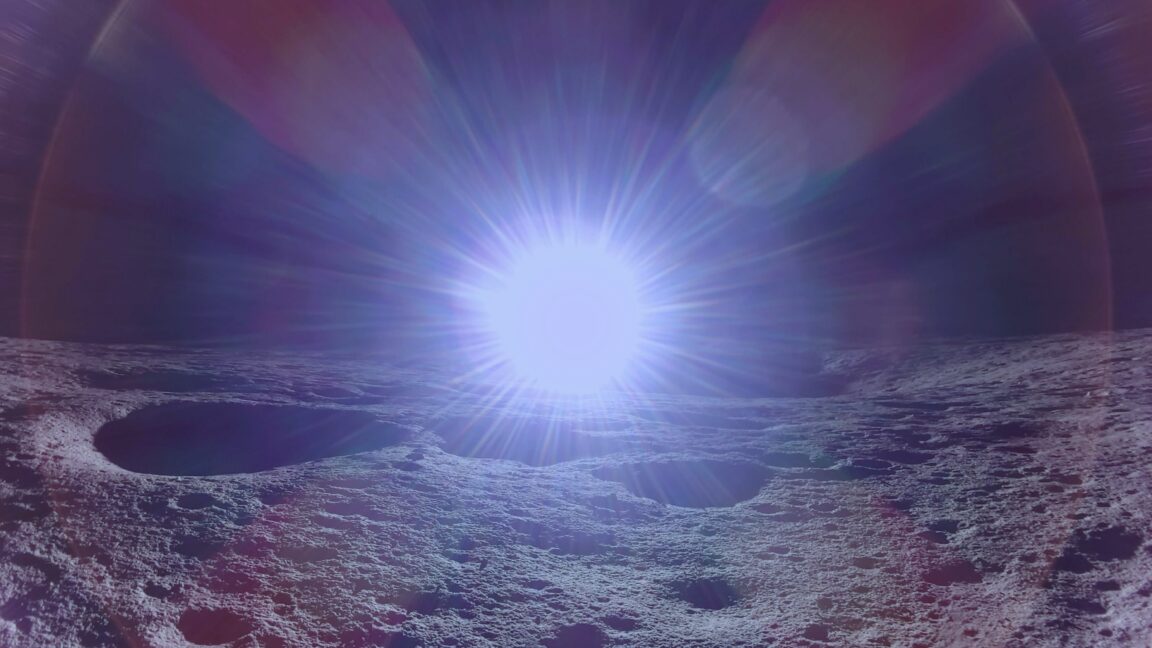
Another crucial dimension of the proposed landing campaign involves developing operational capabilities for sustained activity during the Moon's extreme environment. The lunar night lasts approximately two weeks and involves temperatures plummeting to minus 170 degrees Celsius or colder. Historically, most lunar missions have operated only during the lunar day when solar power is available. However, establishing a permanent lunar presence will require developing systems that can operate, survive, or hibernate during extended darkness. Several of the planned landings will serve as testbeds for thermal protection systems, alternative power sources, and operational protocols designed to enable continuous presence on the lunar surface.
The management and oversight infrastructure that NASA must establish to support this accelerated landing rate cannot be underestimated. Each mission requires independent mission success criteria assessment, failure investigation protocols, and go/no-go decision frameworks. With 21 landings compressed into 30 months, there will be minimal time between missions to investigate failures comprehensively or implement redesigns. This necessitates more robust engineering review processes, better predictive testing methodologies, and potentially new approaches to managing mission risk that differ markedly from traditional NASA protocols.
Industrial base oversight and management represents yet another essential prerequisite for mission success. NASA does not manufacture most of its hardware directly; instead, the agency relies on a complex ecosystem of prime contractors, subcontractors, and component suppliers scattered across the United States. This industrial network has experienced consolidation, workforce challenges, and manufacturing capacity constraints in recent years. To support the accelerated lunar landing rate, NASA must ensure that suppliers have adequate capacity, that quality standards remain consistently high, and that contracts incentivize both performance and timely delivery.
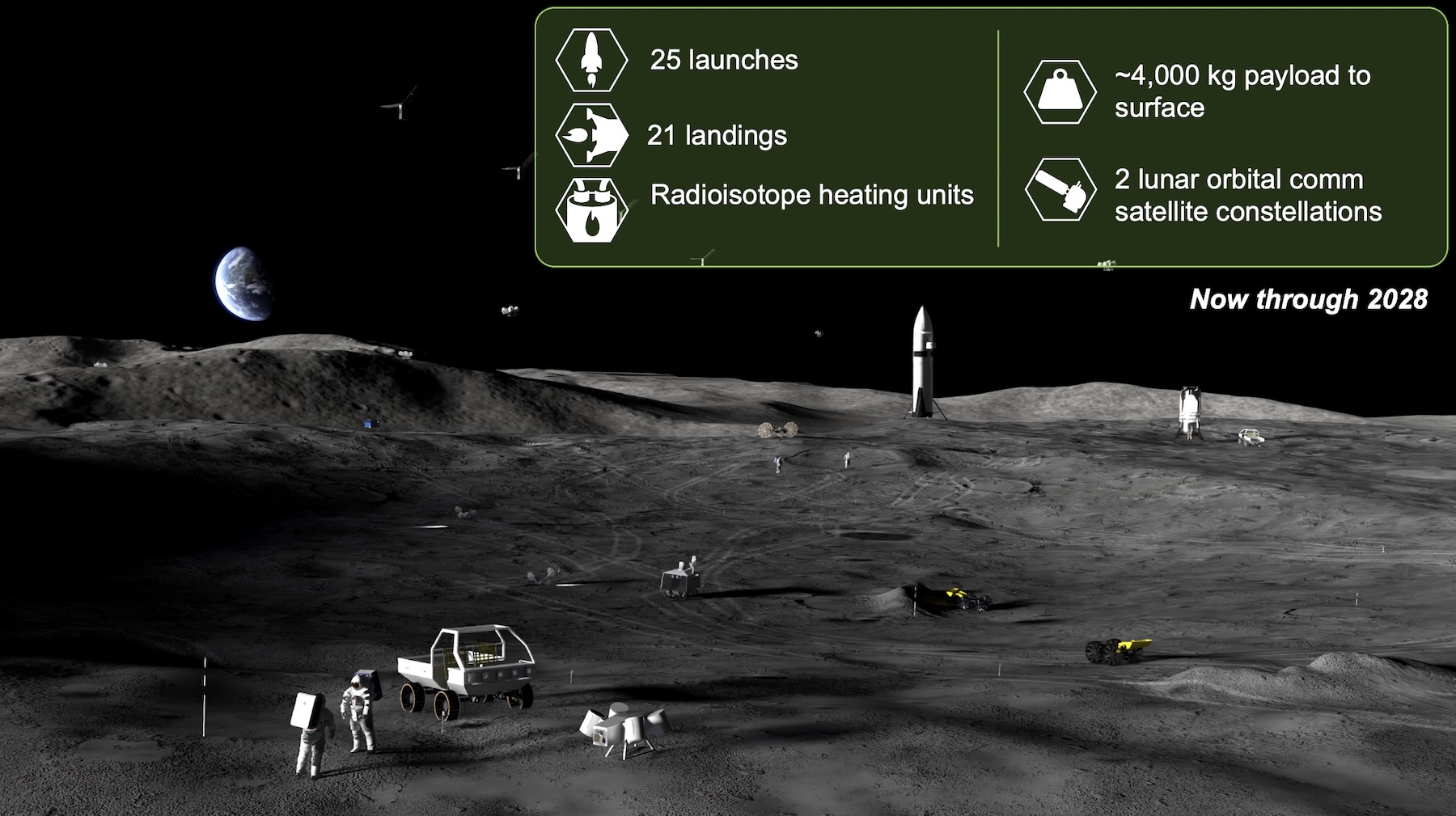
The financial implications of NASA's proposed landing cadence are substantial but have not always received adequate public attention. Each landing attempt, whether successful or unsuccessful, represents a significant investment of resources. While SpaceX's Falcon 9 rockets have dramatically reduced launch costs, lander development, integration, and mission operations remain expensive. NASA will need sustained budget commitments to support this ambitious schedule, and any disruptions to appropriations could cascade through the entire program.
Looking forward, the success of NASA's lunar exploration program will depend critically on addressing these multifaceted challenges simultaneously rather than sequentially. The agency cannot simply increase launch rates while hoping that technical problems resolve themselves or that supply chain issues spontaneously improve. Instead, NASA must undertake a comprehensive organizational and operational transformation that touches procurement, engineering, project management, and supplier relationships. The next several years will reveal whether the agency possesses the institutional capability to execute this ambitious vision and whether the American industrial base can rise to meet these demanding requirements.
Source: Ars Technica


