
NASA's Lunar Gateway Hit by Corrosion Crisis

NASA's decade-long Lunar Gateway project faces major setbacks as primary modules show corrosion damage, forcing the space agency to reassess its lunar infrastructure plans.
For more than a decade, NASA has championed an ambitious vision to construct an orbital outpost circling the Moon, officially designated as the Lunar Gateway. This innovative facility was envisioned as a crucial hub for conducting scientific exploration of the lunar landscape while simultaneously serving as a testing ground for the advanced technologies and life support systems required for extended human missions in deep space. The concept represented a significant evolution in space exploration strategy, positioning humanity for eventual long-term habitation beyond Earth orbit.
Like many groundbreaking space initiatives before it, the Lunar Gateway encountered substantial delays that pushed back its implementation timeline considerably. The original plan called for the inaugural component of this orbital station to reach orbit in 2022, establishing the foundational infrastructure needed for subsequent modules and equipment. However, as technical challenges emerged and resource constraints became apparent, NASA adjusted its schedule, determining that the primary power and propulsion module would launch alongside a pressurized living quarters known as the Habitation and Logistics Outpost, commonly referred to as HALO, with both components now targeted for 2024 deployment.
According to NASA's revised development strategy, this combined core configuration was scheduled to be complemented by an additional pressurized habitat module contributed through international partnerships, specifically the I-HAB module, which was expected to join the growing orbital complex by 2026. This phased approach reflected NASA's commitment to international collaboration while managing the technical complexities of assembling a functioning orbital infrastructure system.
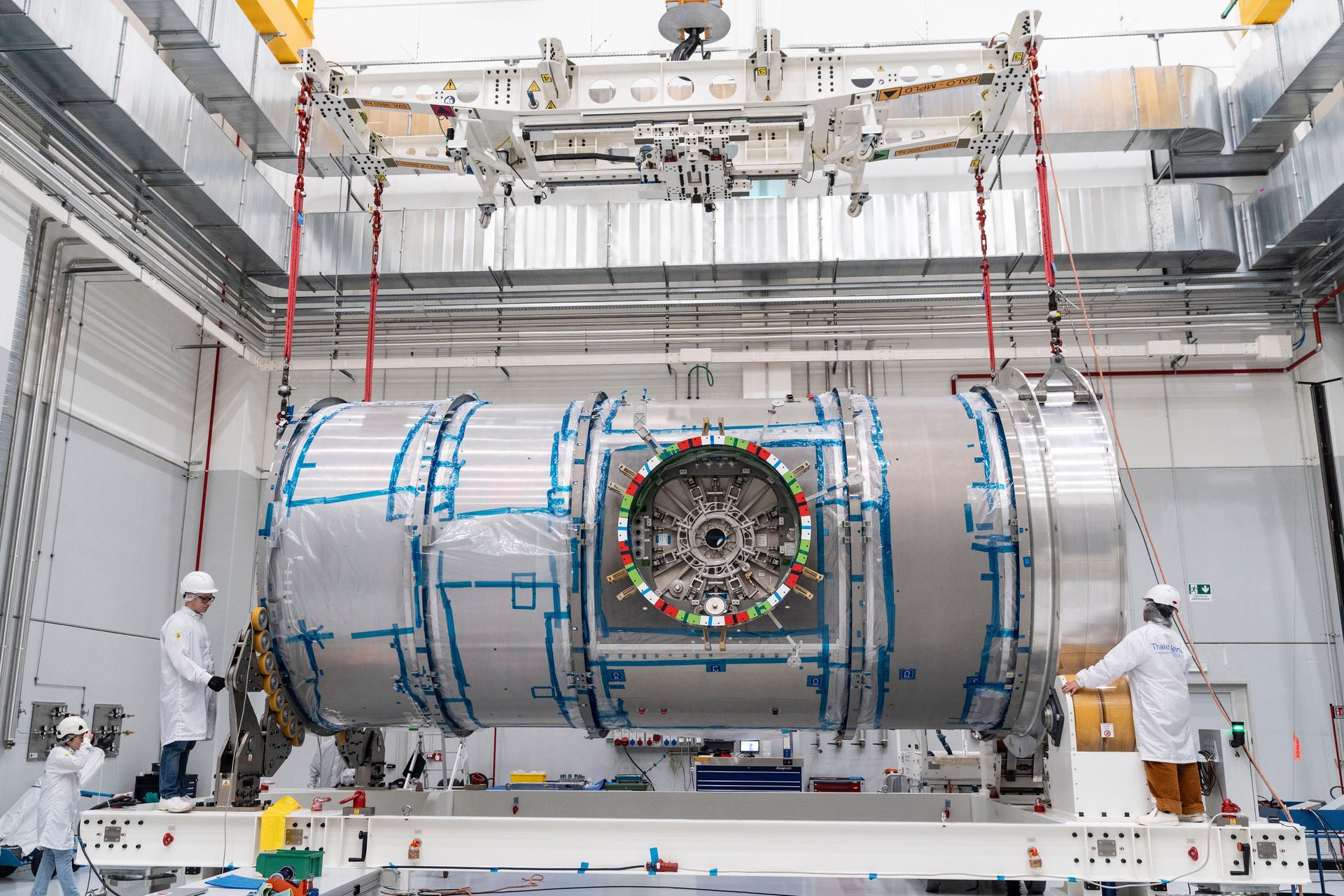
The announced timelines, however, have proven to be optimistic estimates that failed to materialize as projected. The challenges facing the program have compounded over time, with various technical, budgetary, and logistical obstacles preventing the scheduled launches. In a significant announcement made in March 2026, NASA Administrator Jared Isaacman disclosed that the agency would be placing the Lunar Gateway initiative into a state of operational pause, redirecting the space agency's focus and resources toward advancing direct lunar surface development and establishing a sustained human presence on the Moon itself rather than maintaining an orbital waystation.
This strategic pivot represents a major recalibration of NASA's lunar exploration priorities, with decision-makers concluding that surface-based infrastructure should take precedence over orbital facilities in the near to medium term. The announcement came as a surprise to many stakeholders in the aerospace industry who had invested significant effort in developing components and systems for the Gateway platform. The pause reflected growing recognition that the most efficient pathway to achieving NASA's objectives might diverge from the original orbital infrastructure-first approach.
However, the situation has become significantly more complicated following a troubling discovery that has cast additional doubt on the viability of the Gateway program as currently conceived. Engineers examining the primary gateway modules that have been in storage and preparation for launch have identified substantial corrosion damage on critical components of both the power and propulsion module and other core systems.

This corrosion discovery represents a substantial technical and logistical challenge that compounds the existing difficulties facing the program. The degradation of these essential modules raises serious questions about the integrity and reliability of the hardware that was intended to serve as the foundation for the entire orbital complex. Engineers must now determine whether the affected components can be salvaged through remediation efforts, whether replacement modules must be manufactured, or whether the damage is so extensive that it necessitates a fundamental redesign of the affected systems.
The presence of corrosion on space station hardware typically indicates inadequate environmental protection during storage and preparation phases, or potentially longer-term exposure to moisture, salt air, or other corrosive agents. This finding raises uncomfortable questions about the protocols and procedures that NASA and its contractors have implemented to protect expensive aerospace hardware during the extended pre-flight preparation and storage period. Such issues can be particularly problematic in aerospace applications where structural integrity and material properties are absolutely critical to mission success and crew safety.
The discovery of this material degradation comes at an already challenging moment for the Gateway program, which was already facing technical delays and budgetary pressures that had necessitated the recent pause announcement. Adding remediation or replacement manufacturing to the program's already substantial challenges could further extend timelines and increase costs, putting additional pressure on NASA's budget allocation and strategic priorities.
Looking ahead, NASA faces several difficult decisions regarding the future trajectory of the Lunar Gateway project. The agency must conduct a comprehensive assessment of the extent of corrosion damage, evaluate the feasibility and cost of various remediation approaches, and determine whether the original program architecture remains viable given the technical complications that have emerged. Engineers will need to develop a detailed action plan addressing whether affected components can be restored to specification, whether replacements are necessary, or whether design modifications might be required to prevent similar degradation in the future.
The corrosion situation also intersects with the broader strategic decision that NASA announced regarding the prioritization of lunar surface development over orbital infrastructure. This realignment of priorities may provide an opportunity to fundamentally reconsider whether the Gateway in its current form represents the optimal approach to supporting long-term lunar exploration. Some analysts have suggested that the combination of technical setbacks, environmental damage, and the shifting strategic focus presents an opportunity for NASA to evaluate alternative architectures that might be more cost-effective and technically feasible.
The challenges facing the Lunar Gateway program represent a sobering reminder of the inherent difficulties in developing and maintaining complex space infrastructure systems. Even with decades of spaceflight experience and sophisticated engineering capabilities, NASA and its contractors continue to encounter unexpected obstacles that can compromise hardware integrity and delay ambitious projects. The situation underscores the importance of rigorous environmental controls, comprehensive quality assurance protocols, and contingency planning in preparing hardware for the extreme demands of spaceflight.
As NASA navigates these challenges and reassesses its lunar exploration strategy, the corrosion discovery will likely become a crucial factor in determining the ultimate fate of the Gateway as originally conceived. Whether the program can be salvaged through remediation efforts and timeline adjustments, or whether it requires more fundamental redesign and restructuring, remains to be seen. The coming months will be critical as engineers, program managers, and NASA leadership work to chart a course forward that balances the ambitious goals of sustained lunar exploration with the practical realities of spacecraft development and deployment.
Source: Ars Technica


