
NASA Scraps Gateway, Repurposes Module for Deep Space Nuclear Propulsion

NASA abandons lunar Gateway to focus on Moon base, will send Power and Propulsion Element module on nuclear-electric propulsion demo in deep space.
NASA's announcement on Tuesday that it will pause work on a lunar space station and instead focus on building a surface base on the Moon was not entirely unexpected, given the shift in space policy under the Trump administration. But the fate of the hardware already developed for the Gateway outpost remained unclear - until now.
The centerpiece of the Gateway program, the Power and Propulsion Element, is closest to being ready for launch. NASA's revised exploration roadmap, revealed during an all-day event at the agency's headquarters, calls for repurposing this core module for a nuclear-electric propulsion demonstration in deep space.
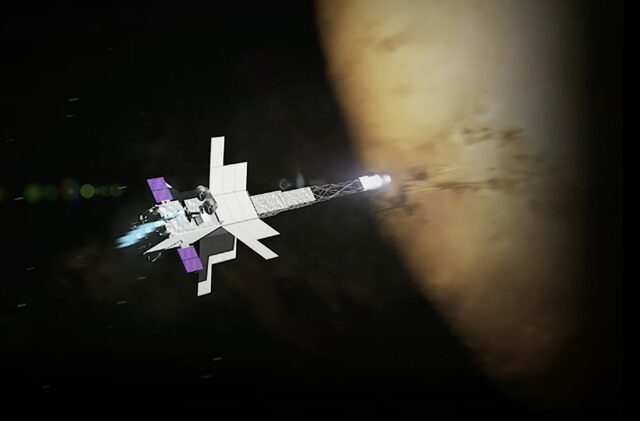
This represents a significant pivot for the Gateway program, which NASA had envisioned as a human-tended complex in orbit around the Moon, serving as a stepping stone for future Artemis missions to the lunar surface. The agency spent close to $4.5 billion on developing the Gateway since its official start in 2019, with various components under construction and testing in factories worldwide.
However, the Trump administration's focus on a more direct path to the Moon, bypassing the Gateway, has led NASA to reconsider its approach. By repurposing the Power and Propulsion Element, the agency can leverage its investment in this hardware to advance nuclear-electric propulsion technology, which could have far-reaching implications for future deep space exploration.
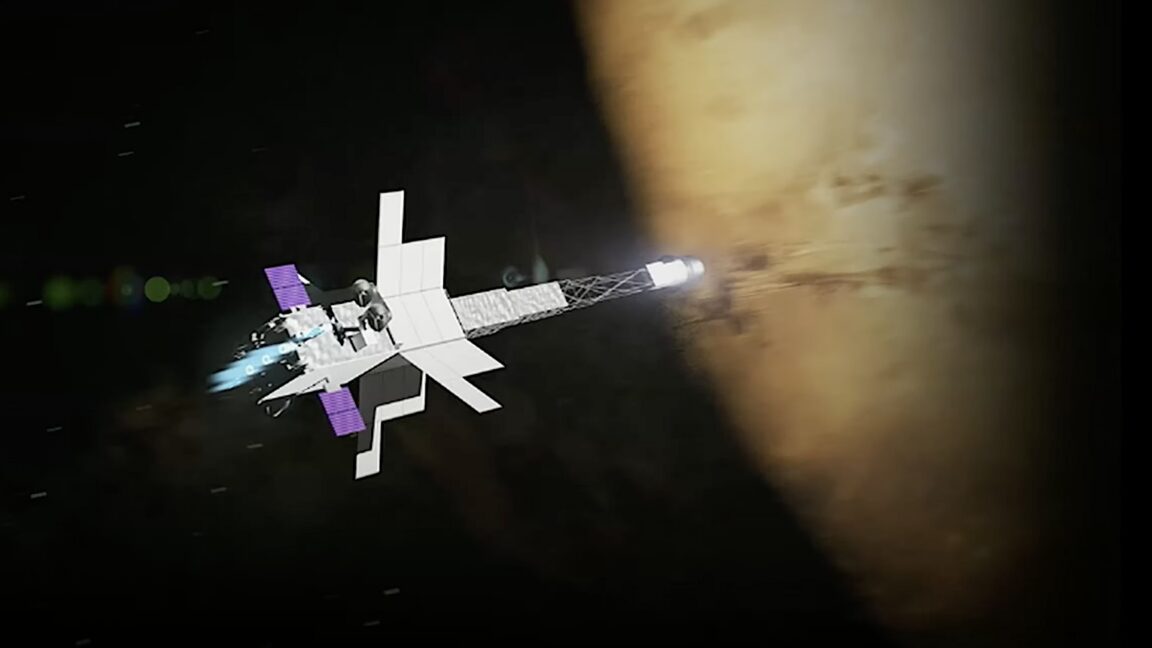
Nuclear-electric propulsion systems use a nuclear reactor to generate electricity, which in turn powers electric thrusters. This technology promises significantly higher fuel efficiency and longer-duration missions compared to traditional chemical rocket engines. By demonstrating this capability on the repurposed Gateway module, NASA hopes to pave the way for its use in future robotic and crewed missions to Mars and beyond.
The decision to forgo the Gateway and focus on a direct Moon landing approach aligns with the Trump administration's space policy priorities, which have emphasized a more streamlined, cost-effective path to the lunar surface. While this move may disappoint some who had envisioned the Gateway as a crucial stepping stone, NASA believes that the nuclear-electric propulsion demonstration offers a compelling alternative that can advance the agency's long-term exploration goals.
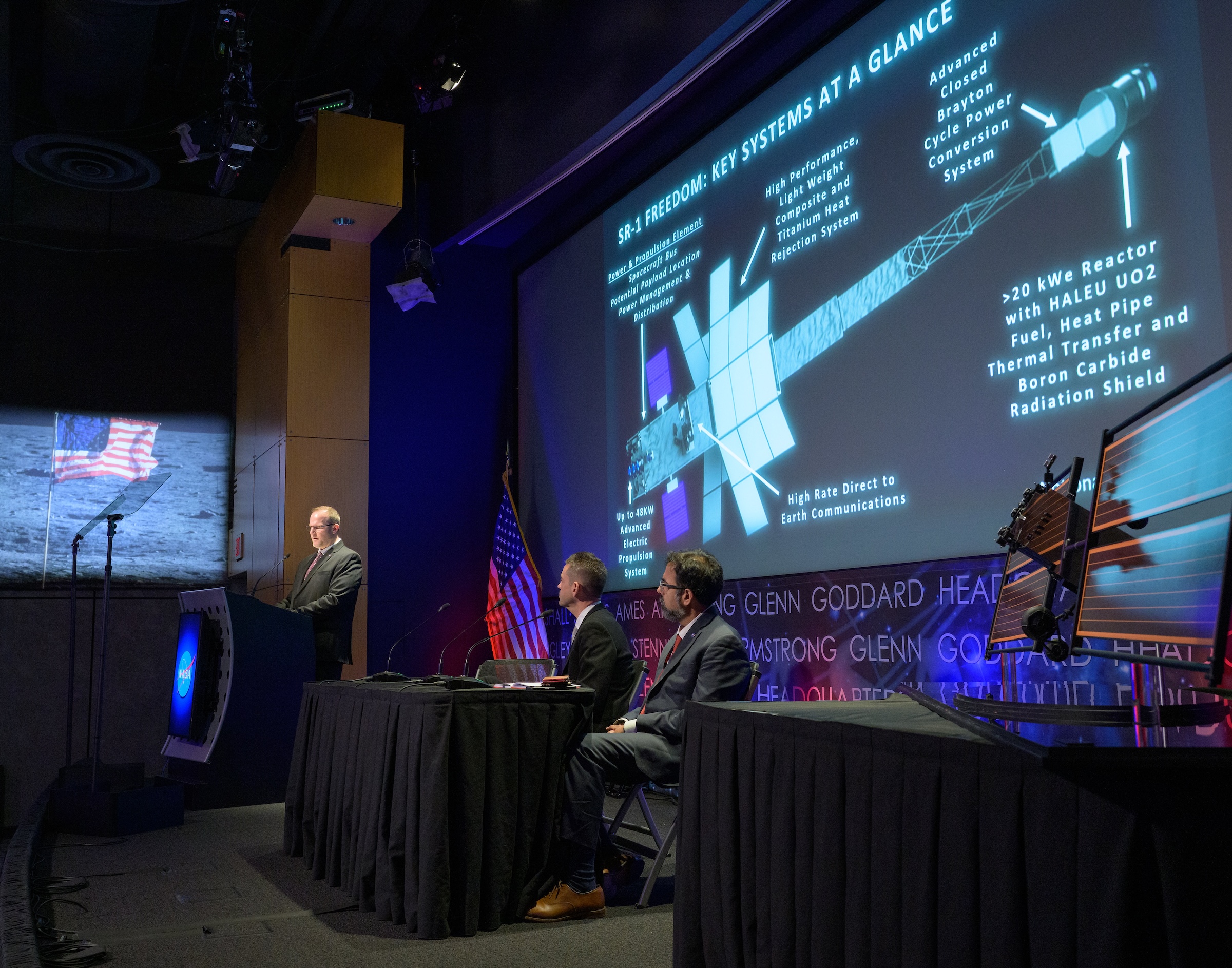
As NASA continues to refine its Artemis program and explore the best strategies for returning humans to the Moon, the repurposing of the Gateway's Power and Propulsion Element represents a significant shift in the agency's plans. This decision underscores the dynamic nature of space exploration, where flexible, adaptable approaches are often necessary to navigate changing priorities and technological advancements.
Source: Ars Technica


