
NASA Sets Sights on April 1 for Artemis II Moon Mission Launch

NASA has resolved the technical issues that forced the delay of the Artemis II launch, targeting April 1 for the historic moon mission. Read on for the latest updates.
NASA has fixed the problem that forced the removal of the rocket for the Artemis II mission from its launch pad last month, but it will be a couple of weeks before officials are ready to move the vehicle back into the starting blocks at Kennedy Space Center in Florida.
The 322-foot-tall (98-meter) rocket could have launched as soon as this week after it passed a key fueling test on February 21. During that test, NASA loaded the Space Launch System rocket with super-cold propellants without any major problems, apparently overcoming a persistent hydrogen leak that prevented the mission from launching in early February.
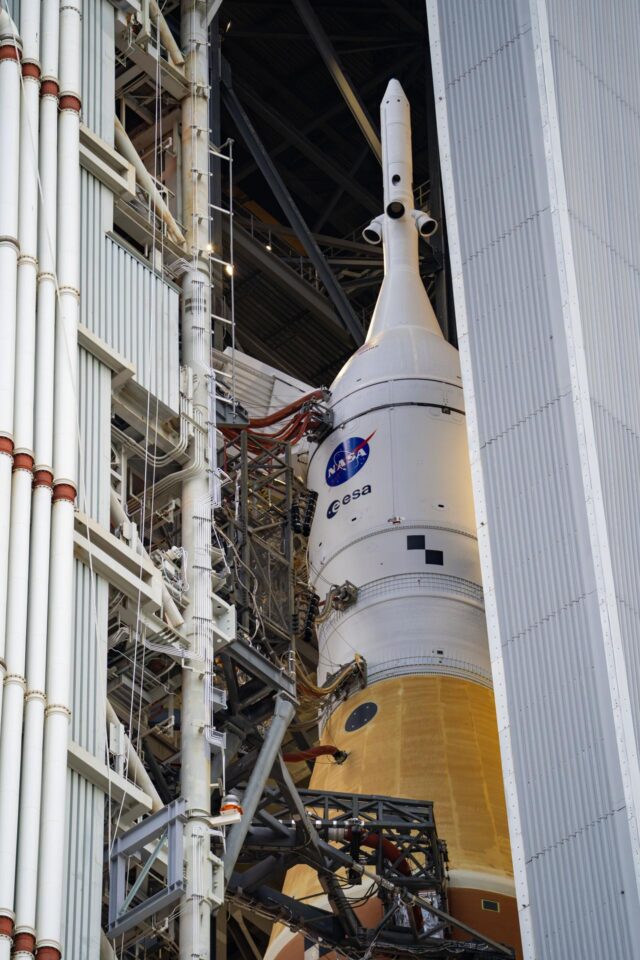
However, another problem cropped up just one day after the successful fueling demo. Ground teams were unable to flow helium into the rocket's upper stage. Unlike the connections to the core stage, which workers can repair at the launch pad, the umbilical lines leading to the upper stage higher up the rocket are only accessible inside the cavernous Vehicle Assembly Building (VAB) at Kennedy.
Despite these challenges, NASA remains committed to launching the Artemis II mission, which will send the first crewed Orion spacecraft on a journey around the Moon. The agency has now set its sights on April 1 as the target date for the historic launch, marking a significant milestone in the Artemis program's goal of returning humans to the lunar surface.
The Artemis II mission will build on the success of the uncrewed Artemis I flight, which completed a critical test flight around the Moon in late 2022. The upcoming crewed mission will pave the way for the Artemis III landing, which aims to put the first woman and first person of color on the lunar surface.
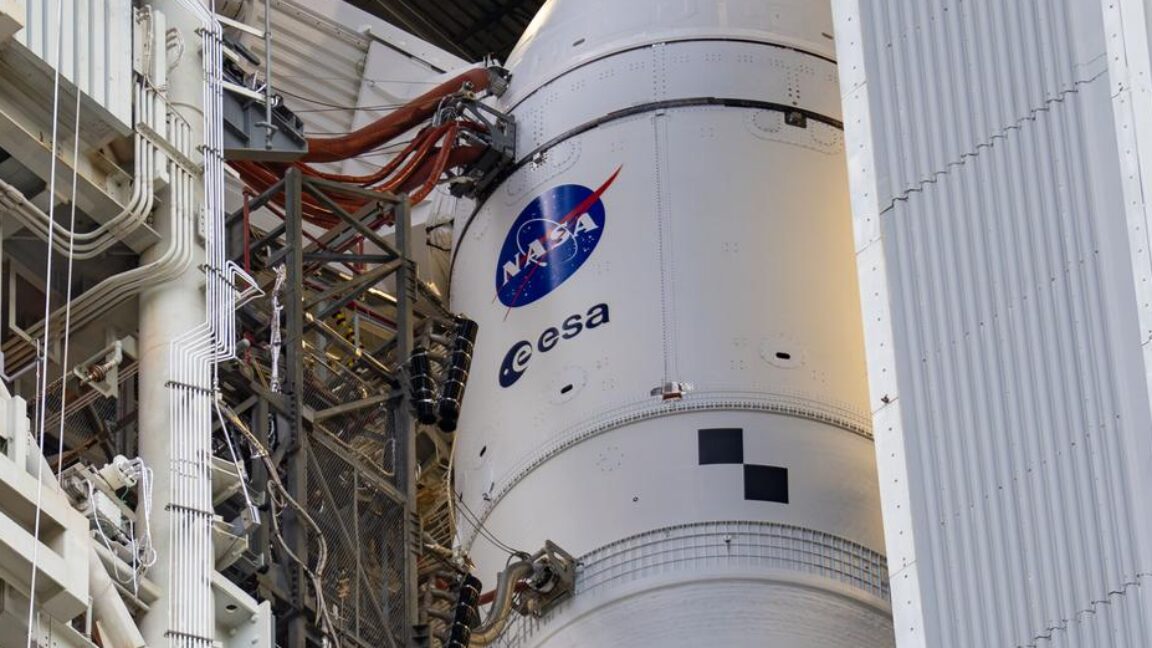
As NASA prepares for the Artemis II launch, the agency is working closely with its international partners to ensure the mission's success. The Orion spacecraft, which will carry the astronauts, is a collaborative effort between NASA and the European Space Agency (ESA).

The Artemis II mission marks a significant step forward in NASA's ambitious plans to establish a sustained human presence on the Moon. By leveraging the capabilities of the Space Launch System and the Orion spacecraft, the agency aims to pave the way for future Artemis missions that will explore the lunar surface in greater depth and lay the groundwork for future Mars exploration.
Source: Ars Technica


