
NATO Jet Shoots Down Drone Over Estonia

Estonian authorities report a NATO fighter jet downed an unidentified drone over their airspace. Officials suspect the aircraft was a Ukrainian weapon affected by Russian jamming.
Estonian defense officials have confirmed that a NATO jet intercepted and shot down a drone that violated the nation's airspace in a significant incident highlighting escalating tensions in the region. The military encounter marks another concerning development in the ongoing conflict affecting Eastern Europe and NATO's eastern flank. The incident underscores the increasingly complex air defense challenges facing NATO members bordering the conflict zone.
According to Estonian authorities, the unmanned aircraft was destroyed after being detected entering the country's airspace without authorization. NATO airspace violation incidents have become more frequent as the military situation in neighboring regions continues to deteriorate. The swift military response demonstrates NATO's commitment to defending member state sovereignty and maintaining air superiority in the region.
The Estonian government has suggested that the drone was likely a Ukrainian military asset that had been diverted from its intended target. Russian electronic jamming capabilities are believed to have disrupted the weapon's navigation systems, causing it to drift off course and enter Estonian territory. This theory reflects growing concerns about the indirect effects of the conflict spreading beyond active combat zones.
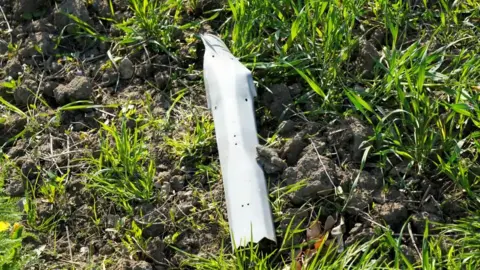
Electronic warfare and jamming technology have become increasingly prevalent in the conflict, with Russian forces deploying sophisticated systems designed to interfere with communications and guidance systems. The potential for collateral damage and unintended consequences continues to mount as both sides deploy advanced military capabilities. Experts warn that such incidents could potentially escalate tensions and create dangerous misunderstandings between NATO and other regional powers.
Estonia, as a NATO member state located directly adjacent to Russian territory, has experienced heightened security concerns throughout the regional crisis. The country shares borders with Russia and has been on high alert regarding military incursions and airspace violations. This latest incident represents a concrete example of the security challenges facing smaller NATO members in proximity to the conflict zone.
The drone interception comes amid a series of similar incidents involving unidentified aircraft and military equipment crossing into NATO territory. These encounters have raised important questions about rules of engagement and the potential for accidental escalation. NATO defense ministers have emphasized the importance of maintaining clear communication protocols to prevent misunderstandings that could have catastrophic consequences.
Military analysts have noted that Ukrainian drone operations have become increasingly sophisticated throughout the conflict. The weapons systems involved typically feature advanced guidance technology and extended operational ranges. However, the vulnerability of these systems to electronic countermeasures represents a significant operational challenge for Ukrainian forces.
Russian electronic warfare capabilities have evolved substantially during the conflict, with military observers documenting the deployment of jamming systems across multiple frequency bands. These systems are designed to disrupt satellite signals and communication networks that guide modern weapons. The effectiveness of these countermeasures has forced military planners on both sides to continuously adapt their tactical approaches.
The incident highlights the delicate balance NATO must maintain between responding to security threats and avoiding direct military confrontation with Russian forces. Estonian authorities coordinated their response through established NATO protocols and kept alliance partners informed throughout the encounter. This coordination reflects the integrated defense framework that binds NATO members together.
NATO airspace security has become a paramount concern for alliance leadership, particularly regarding the eastern frontier. The organization has significantly increased air patrols and surveillance operations in the region. Multiple nations have contributed fighter jets and advanced radar systems to bolster defensive capabilities along vulnerable borders.
Estonian military officials have emphasized that such incidents underscore the importance of maintaining strong defense capabilities and close cooperation with NATO allies. The country continues to invest in modern air defense systems and training programs. These preparations reflect the recognition that security threats in the region demand constant vigilance and investment.
The broader context of this incident includes ongoing discussions within NATO regarding burden-sharing and defense spending. Member states have committed to increasing military expenditures to address emerging threats. Estonia itself has significantly increased its defense budget in response to the deteriorating security environment.
International observers have called for increased transparency and communication between all parties involved in the conflict to prevent future incidents. The potential for miscalculation remains a significant concern among security analysts and diplomatic experts. Establishing clear lines of communication between NATO and Russian military leadership could help prevent accidental escalation.
The incident also raises questions about the effectiveness of various electronic warfare tactics currently being employed in the conflict. Military strategists continue to study how these technologies affect operational outcomes and force employment. The data gathered from such incidents provides valuable insights for defense planners developing future strategies and countermeasures.
As investigations into the specific origin and purpose of the drone continue, Estonian officials remain committed to protecting national airspace and maintaining security. The country's NATO membership ensures that any attack on Estonian territory would trigger collective defense obligations. This security guarantee has provided some reassurance to the population, though vigilance remains essential.
Looking forward, the incident demonstrates the ongoing reality that regional stability remains fragile and contested. NATO's commitment to defending member states will continue to be tested as the conflict evolves. The experiences gained from such incidents will undoubtedly influence future defense planning and military strategy throughout the alliance and beyond.
Source: BBC News


