
NATO Seeks Clarity on US Troop Withdrawal From Germany

NATO demands details on Trump's decision to redeploy 5,000 US troops from Germany. Germany calls move 'anticipated' amid tensions with Chancellor Merz.
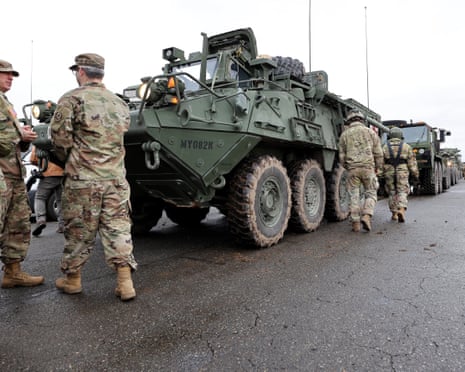
NATO is actively seeking to understand the strategic implications and specific details surrounding a significant US troop withdrawal from Germany, a major redeployment decision that has sparked considerable diplomatic discussion across European capitals. The decision to withdraw 5,000 American military personnel, ordered by President Donald Trump, represents a substantial shift in the transatlantic military posture and comes amid escalating tensions between the American administration and German leadership. This development underscores the complex relationship between the United States and its European allies during a period of heightened geopolitical uncertainty.
The German government has attempted to frame Trump's decision with measured language, describing the troop redeployment as "anticipated" rather than surprising, despite the considerable strategic implications for European security architecture. German Chancellor Friedrich Merz's administration has seized the moment to remind European nations of the urgent necessity to strengthen their own defense capabilities and reduce dependence on American military protection. This diplomatic positioning reflects Berlin's effort to manage the situation while simultaneously advocating for increased European military investment and autonomy in security matters.
According to Pentagon statements, the troop redeployment will occur gradually over the next six to twelve months, allowing time for logistical coordination and transition planning. This extended timeline provides the military and civilian leadership on both sides of the Atlantic with a window to plan for the repositioning of personnel, equipment, and strategic resources. The phased approach suggests an orderly transition rather than an abrupt military withdrawal, though questions remain about the ultimate destination and deployment strategy for these forces.
The tensions underlying this withdrawal decision trace back to recent disputes between Trump and Chancellor Merz regarding American foreign policy in the Middle East. Trump's ongoing conflict with Iran and his controversial approach to diplomatic negotiations with Tehran have drawn criticism from German leadership, who view such policies as destabilizing to international relations. These disagreements represent a broader philosophical divide between the American administration's assertive foreign policy stance and Germany's preference for diplomatic engagement and multilateral consensus-building on critical international issues.
Chancellor Merz has been vocal about his concerns regarding Trump's approach to Middle East diplomacy and the potential consequences for European security interests. The German leader's criticism reflects broader European anxieties about the unpredictability of American foreign policy under the Trump administration and the implications for NATO cohesion. Germany, as Europe's largest economy and a key NATO member, carries significant diplomatic weight, and its public disagreement with Washington signals potential fractures within the alliance structure.
The withdrawal carries particular significance given Germany's historical role as a central hub for American military presence in Europe. Since the end of World War II, Germany has hosted tens of thousands of American troops, serving as a critical staging ground for NATO operations and a symbol of the transatlantic security partnership. The reduction of this force presence represents a notable shift in the military landscape and raises questions about the future configuration of American military commitments to European security.
European capitals are watching this development closely, as the German troop withdrawal could signal broader changes in American security commitments across the continent. Other nations hosting American forces, including Poland, the United Kingdom, and the Baltic states, are assessing whether this action portends additional redeployments or policy shifts. The uncertainty surrounding future American military support has prompted renewed calls for increased European defense spending and greater strategic autonomy among EU member states.
NATO's formal request for clarification reflects the alliance's need to coordinate responses and adjust strategic planning in light of this significant change. The alliance, which has long depended on American military capabilities and nuclear deterrence, must reassess its posture in Central Europe if American force levels are being reduced. NATO defense planning relies on predictability and coordination among member states, making clear communication about troop movements and strategic intentions essential for maintaining cohesion and deterrence credibility.
Germany's attempt to characterize the withdrawal as "anticipated" appears designed to minimize alarm among both domestic audiences and other European allies while still acknowledging the reality of reduced American military presence. This rhetorical framing serves multiple purposes: it avoids escalating tensions with the Trump administration while simultaneously reinforcing arguments for increased German and European military spending. The German government recognizes that a dramatic response could further deteriorate relations with Washington and potentially lead to additional unfavorable decisions regarding American military commitments.
The incident highlights the broader challenge facing European defense policy in an era of shifting American priorities and commitments. For decades, Europe has benefited from American security guarantees, allowing many nations to maintain relatively modest defense budgets while relying on Washington for deterrence against potential threats. The Trump administration's willingness to reduce military presence in Germany suggests that this era of unconditional American security commitment may be ending, forcing European nations to reconsider their strategic postures and investment priorities.
Within Germany specifically, the withdrawal will have practical implications for local economies that have benefited from American military spending and employment. Communities hosting American military installations have developed significant economic relationships dependent on the continuous presence of American forces, defense contractors, and associated personnel. The gradual withdrawal process allows time for these communities to prepare for economic transitions, though the long-term impact remains uncertain.
The geopolitical context surrounding this withdrawal is crucial for understanding its significance. Trump's approach to international alliances has emphasized "America First" principles and questioned the value of traditional security commitments, particularly when American resources are directed toward defense of allies deemed wealthy enough to fund their own protection. This philosophy stands in sharp contrast to the post-Cold War consensus that maintained substantial American military presence in Europe as essential to continental stability and Western security interests.
Moving forward, transatlantic relations and the NATO alliance face a critical period of adjustment and recalibration. The withdrawal of 5,000 troops from Germany, while perhaps not catastrophic in military terms, carries symbolic weight that extends far beyond the actual numbers involved. It signals a potential recalibration of American security commitments and forces European nations to accelerate their own defense development, a process that will unfold over the coming years as the strategic implications become clearer.
Source: The Guardian


