
Navigating the Global Oil Price Surge: Strategies and Solutions Emerge

As oil prices soar worldwide, governments are implementing diverse policies to mitigate the burden on citizens - from fuel rationing to free public transit. Explore the innovative responses shaping the global energy landscape.
As the global economy grapples with skyrocketing oil prices, governments around the world are taking decisive actions to shield their citizens from the growing financial burden. From implementing fuel rationing systems to offering free public transportation, policymakers are deploying a range of innovative strategies to ease the impact of the price surge.
In Sri Lanka, the government has introduced a fuel rationing scheme, allowing individuals to purchase a limited quantity of gasoline and diesel per week. This measure aims to conserve the country's dwindling fuel reserves, which have been severely strained by the economic crisis. Similarly, Ecuador has implemented a similar system, restricting the amount of subsidized fuel that can be purchased by private vehicle owners.
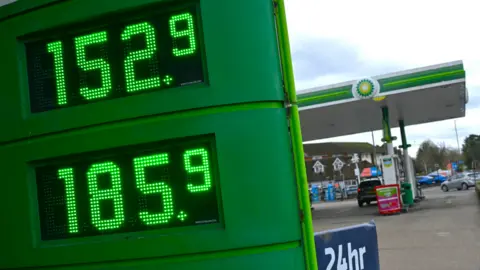
Meanwhile, other nations are focusing on strengthening public transportation options to reduce reliance on private vehicles. Spain has announced plans to offer free train tickets for short-distance travel, while Germany is introducing a heavily discounted public transportation pass for just €9 per month. These initiatives seek to encourage commuters to opt for more eco-friendly and cost-effective modes of travel.
In Indonesia, the government has increased fuel subsidies to maintain affordable prices, while Malaysia has announced a one-time cash payment to low-income households to help offset the rising cost of living. These targeted interventions aim to provide direct financial relief to the most vulnerable segments of the population.
The global oil price surge has also prompted some countries to explore alternative energy sources. India, for instance, is accelerating its push for electric vehicles and renewable energy, aiming to reduce its reliance on fossil fuels. Similarly, the European Union is doubling down on its efforts to transition towards a greener energy mix, prioritizing investments in solar, wind, and other sustainable technologies.
As the world navigates this complex energy landscape, the diverse responses adopted by governments highlight the critical importance of multilateral cooperation and strategic policymaking in addressing the challenges posed by rising oil prices. By leveraging a combination of targeted interventions, infrastructure investments, and long-term sustainability initiatives, nations are striving to mitigate the immediate impact on their citizens while laying the foundation for a more resilient and eco-friendly energy future.
Source: BBC News


