
Nazi-Looted Masterpiece Discovered in Dutch SS Leader's Home

A valuable portrait plundered by Nazi Hermann Göring during WWII has been recovered from the residence of a Dutch SS leader's descendants, reopening historical wounds.
An extraordinary discovery has brought another chapter of Nazi-looted art into the spotlight, as investigators uncovered a valuable portrait hidden within the home of descendants belonging to a prominent Dutch SS officer. The painting, believed to have been systematically plundered by high-ranking Nazi official Hermann Göring during the tumultuous years of World War Two, represents yet another piece of cultural heritage torn from its rightful owners during one of history's darkest periods.
The recovery of this Nazi-looted artwork serves as a poignant reminder of the extensive pillaging that occurred throughout occupied Europe during the Nazi regime. Hermann Göring, who held multiple powerful positions including head of the Luftwaffe and president of the Prussian State Council, was notorious for his voracious appetite for fine art. He accumulated one of the most significant private collections of stolen masterpieces, many of which were confiscated from Jewish families and other victims of Nazi persecution.
The discovery in the Dutch SS leader's residence demonstrates how WWII art theft networks extended far beyond Germany's borders into occupied territories. Dutch SS members, who collaborated with Nazi authorities, often received stolen artworks as rewards or through their access to plundered collections. This particular find underscores the complexities of post-war restitution efforts, where valuable pieces have remained hidden for decades within the families of Nazi collaborators.
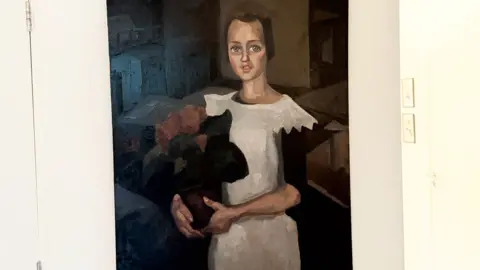
The investigation into this portrait's origins involved extensive research into provenance records and wartime documentation. Experts traced the painting's journey from its original owner through Nazi acquisition channels to its eventual placement in the hands of the Dutch SS officer. Such meticulous detective work has become increasingly important as art restitution efforts continue worldwide, with institutions and governments working to identify and return stolen cultural property to legitimate heirs.
This discovery comes amid a broader global movement to address the massive scale of Nazi art looting that occurred between 1933 and 1945. Historians estimate that the Nazi regime and its collaborators stole hundreds of thousands of artworks from across Europe. Many were destined for Adolf Hitler's envisioned "Führermuseum," while others were sold to finance the war effort or distributed among Nazi officials as favors and rewards for loyalty.
The role of Dutch SS members in facilitating art theft and other war crimes has long been a sensitive subject in Dutch historical consciousness. The Netherlands, though occupied by Nazi forces, produced thousands of volunteers who joined the SS and other Nazi military units. These collaborators gained access to valuable assets and information, making them instrumental in implementing various aspects of the Nazi agenda across Dutch territory.
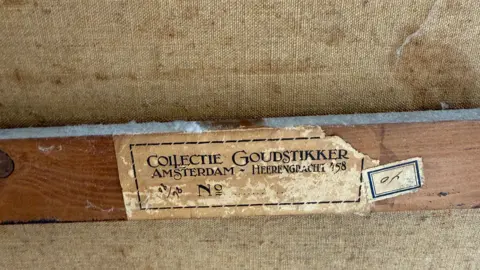
The painting's rediscovery raises critical questions about how many other stolen artworks remain hidden in private collections across Europe and beyond. Despite decades of restitution efforts by organizations like the Claims Conference and various national governments, thousands of looted pieces continue to surface unexpectedly. Each discovery represents not merely a valuable object, but a human story of loss and injustice that deserves recognition and resolution.
Legal frameworks governing art restitution have evolved significantly since the immediate postwar period. The Washington Principles on Nazi-Confiscated Art, established in 1998, set international standards for identifying and returning stolen works. However, implementing these principles remains challenging, particularly when works reside in private homes rather than public institutions where records are more accessible and transparent.
The descendants of the Dutch SS leader now face difficult moral and legal questions regarding their family's possession of stolen property. While they may not have been directly involved in the theft, ownership of knowingly acquired looted art carries significant ethical implications. The recovery process often involves complex negotiations between descendants, victims' families, government authorities, and cultural institutions, all seeking equitable solutions.
Museum professionals and restitution specialists have praised the thorough investigation that led to this portrait's identification and recovery. Such cases demonstrate the importance of continuous research into institutional and private collections, as well as international cooperation in tracking stolen cultural property. Advanced database systems and digital archives have made it increasingly possible to document the provenance of artworks and identify their rightful owners or heirs.
The restoration and preservation of recovered artworks present their own set of challenges. Many pieces have suffered deterioration after decades in storage or unsuitable conditions. Expert conservators must carefully assess and restore these works while maintaining their historical integrity, a process that can take months or even years depending on the damage sustained.
This case contributes to the growing body of evidence about Nazi-era art theft and restitution issues that continue to occupy historians, lawyers, and cultural authorities. It underscores the persistent need for vigilance in uncovering stolen heritage and ensuring that cultural property is returned to rightful claimants. As more families, institutions, and governments address this dark chapter of history, each recovery brings us closer to acknowledging the losses suffered and providing some measure of justice to those affected.
Source: BBC News


