
NBA Rwanda Partnership Under Fire Amid Sanctions

US sanctions against Rwanda's military spark debate over NBA's African expansion ties. A BAL team's sudden withdrawal raises questions about the league's oversight.
The NBA's partnership with Rwanda has become a contentious issue as the league faces renewed scrutiny over its international expansion initiatives. With the basketball postseason in full swing, questions about the league's commitment to progressive values and ethical business practices have resurfaced, casting a shadow over one of the NBA's most ambitious continental ventures in Africa.
The Basketball Africa League (BAL), a prestigious continental competition jointly developed by the NBA and its stakeholders, has long been heralded as a flagship initiative to develop basketball talent across the African continent. However, the league's connection to Rwanda and the country's government has raised significant concerns among human rights advocates and international observers who point to a troubling pattern of accusations against Rwanda's military leadership.
Rwanda has faced persistent allegations of human rights abuses and involvement in destabilizing military operations in the neighbouring Democratic Republic of the Congo (DRC). These accusations have been documented by international human rights organizations and investigated by various global bodies concerned with accountability and international law. The country's military actions in the region have reportedly resulted in widespread civilian casualties and displacement, fueling regional instability.
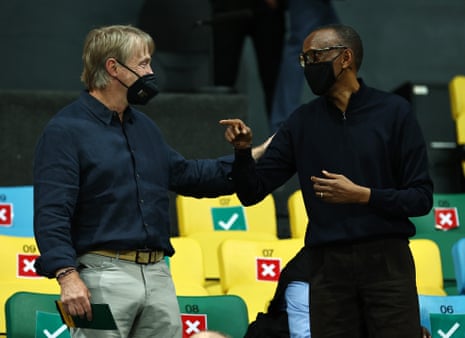
In a significant development during March 2026, the Trump administration took formal action by announcing comprehensive sanctions against Rwanda's military and targeting four senior officials within the country's defense establishment. The sanctions targeted individuals and military entities specifically accused of orchestrating abuses and engaging in military aggression within the DRC. This official policy action by the United States government represented a clear diplomatic signal regarding concerns about Rwanda's conduct and human rights record.
The timing and consequences of these sanctions became immediately apparent within the basketball community. Shortly following the official announcement of sanctions, one of the BAL's most competitive and prominent franchises abruptly announced its withdrawal from the league's competition. The unexpected departure sent shockwaves through the African basketball community and raised immediate questions about the circumstances surrounding the team's exit.
Investigation into the withdrawing team revealed troubling connections to Rwanda's sanctioned military establishment. The franchise had deep institutional and financial ties to entities within Rwanda's defense sector, making it subject to the newly imposed sanctions regime. This discovery exposed the interconnected nature of Rwanda's government structures and the institutions that had partnered with the NBA for basketball development.
This situation has prompted broader conversations about the NBA's due diligence processes when establishing partnerships in international markets. The league's expansion strategy, while ambitious and well-intentioned in promoting basketball globally, appears to have involved insufficient scrutiny of the political and military contexts in which it operates. Observers have questioned whether the NBA adequately assessed the human rights implications and geopolitical complexities of its Rwanda-based operations.
The incident raises critical questions about corporate responsibility and the obligations of major sports organizations to align their business partnerships with stated values regarding human rights and ethical conduct. The NBA has positioned itself as a socially conscious league that advocates for progressive causes, making the Rwanda partnership seemingly incongruous with that public positioning.
International legal experts have noted that the sanctions imposed by the Trump administration carry significant implications for any organization conducting business with sanctioned entities or individuals. The BAL team's withdrawal represents a recognition of these legal constraints, as organizations risk severe penalties, including asset freezes and criminal liability, for violating sanctions regimes.
The BAL withdrawal serves as a notable case study in how geopolitical realities and international law intersect with sports business operations. The league's leadership now faces pressure to demonstrate how it will address concerns about governance structures, oversight mechanisms, and the vetting processes for future partnerships and expansion initiatives.
As the NBA continues its postseason and looks toward future growth strategies, stakeholders are closely monitoring how the league responds to this challenge. The organization must balance its commercial ambitions with its public commitments to ethical business practices and support for human rights. The Rwanda situation will likely influence investor confidence, player sentiment, and the league's reputation among socially conscious consumers and international observers.
Moving forward, the NBA faces mounting pressure to conduct more rigorous assessments of potential partners and ensure that its international expansion does not inadvertently support or legitimize regimes with troubling human rights records. The incident underscores the importance of comprehensive due diligence in global business operations, particularly for organizations that have made explicit commitments to social responsibility and progressive values.
Source: The Guardian


