
Nest App Down: Users Report Service Outages

The Nest app experiences widespread outages affecting many users, despite official status page claims. Latest updates on the service disruption.
A significant portion of Nest app users are currently experiencing service disruptions, with complaints flooding social media platforms and tech support forums. The outage has impacted functionality across multiple devices, leaving homeowners unable to access their smart home systems remotely. Users have reported inability to control thermostats, view security cameras, and manage other connected home devices through the mobile application.
The widespread nature of this Nest service outage has raised questions about the reliability of cloud-based smart home platforms. Multiple users from different geographic regions have documented their inability to connect to the app, suggesting a systemic issue rather than localized connectivity problems. The disruption has persisted for several hours, affecting both iOS and Android users simultaneously, which points to a backend server issue rather than platform-specific complications.
Despite the numerous reports of service unavailability, the official Nest status page continues to display that all systems are functioning normally. This discrepancy between user experiences and the official status report has created frustration within the user community. The status dashboard shows all services as operational, including app connectivity, authentication services, and device communication protocols.
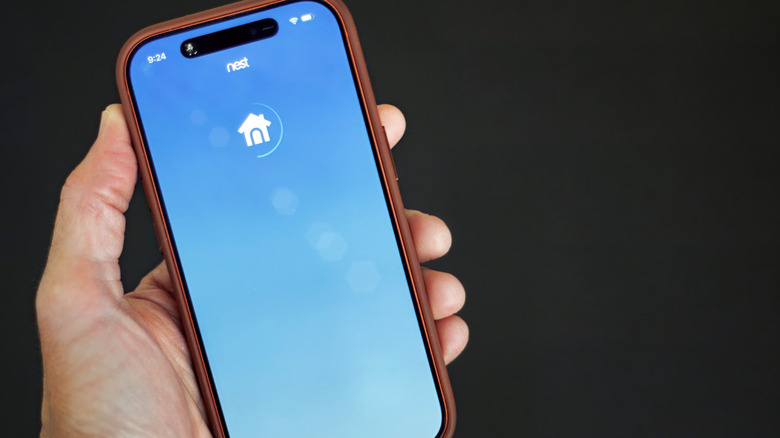
This situation highlights a common problem in the tech industry where status pages and real-world user experiences diverge significantly. Users attempting to troubleshoot the issue have taken to Reddit, Twitter, and other social platforms to confirm they are not alone in experiencing the problem. Many have documented screenshots showing error messages when attempting to load the app or access their device controls.
The smart home technology sector relies heavily on continuous connectivity and cloud infrastructure stability. When major platforms like Nest experience outages, it demonstrates the vulnerability of households that have adopted interconnected smart devices. Users who depend on these systems for security monitoring, temperature control, and home automation are left without remote access capabilities until service is restored.
Industry experts have noted that cloud service reliability is a critical factor for consumer adoption of smart home technologies. Outages of this magnitude can erode user confidence and lead to questions about whether centralized cloud-based architectures are the optimal solution for home automation. The incident also raises concerns about the need for local backup systems that would allow basic functionality during cloud service disruptions.
Nest support channels have reportedly been inundated with user inquiries about the outage status and timeline for restoration. Customer service representatives have not yet provided a formal explanation for the cause of the disruption or an estimated time for full service recovery. This lack of transparent communication during the incident has added to user frustration and prompted speculation about the underlying technical issues.
The Nest outage is particularly concerning given that Google owns Nest and has been integrating the platform more deeply into its broader ecosystem. Users expect enterprise-grade reliability from a major tech company, and extended outages can damage brand reputation. Previous outages have similarly created backlash, with users questioning whether they should rely on these platforms for critical home management functions.
For users affected by this Nest app service disruption, several workarounds exist, though they are limited. Some users with compatible devices can access limited functionality through alternative control methods, such as voice commands via Google Assistant if those services remain operational. However, full feature access through the mobile app remains unavailable for the majority of users experiencing the outage.
The duration and severity of this outage underscore the importance of infrastructure redundancy in cloud service architecture. Technology companies offering critical consumer services must implement multiple layers of failover systems and geographic distribution to minimize service interruptions. The fact that Nest service status remains unavailable despite official claims of normalcy suggests potential monitoring issues or a gap between backend infrastructure status and user-facing service availability.
As this situation develops, users are advised to monitor official Nest communication channels for updates. The company typically provides post-incident analysis once services are fully restored, detailing the root cause and steps taken to prevent similar occurrences. However, the current lack of acknowledgment on the status page remains problematic for users seeking information and reassurance.
This incident contributes to the ongoing discussion about the trade-offs associated with smart home device adoption and cloud dependency. While connected home systems offer convenience and advanced features, they introduce potential points of failure that users must weigh when deciding whether to invest in these technologies. The Nest outage serves as a reminder of the risks inherent in centralizing home automation and security systems in cloud infrastructure.
Source: Engadget


