
Netanyahu Faces Coalition Challenge From Rivals

Israeli PM Benjamin Netanyahu confronts a powerful rightwing-centrist alliance as Naftali Bennett and Yair Lapid merge parties ahead of upcoming Knesset elections.
The political landscape in Israel is experiencing a significant shift as Benjamin Netanyahu faces an unprecedented challenge from a united opposition bloc. In a strategic move that signals intensifying pressure on the prime minister's political future, two prominent Israeli political figures have announced a historic merger of their parties ahead of the Knesset elections expected later this year. This development marks a critical moment in Israeli politics, as the rightwing-centrist coalition aims to consolidate opposition forces and present a unified alternative to Netanyahu's leadership.
The merger brings together the parties of Naftali Bennett, a rightwing politician with significant support among conservative voters, and Yair Lapid, a centrist leader whose political base spans moderate Israelis seeking pragmatic governance. Bennett's party, Bennett 2026, and Lapid's Yesh Atid (There is a Future) have officially announced their political union, creating what observers describe as a formidable electoral force. The announcement has sent ripples through Israeli political circles, with analysts drawing comparisons to successful opposition movements that have challenged entrenched leaders in other democracies.
This strategic alliance represents more than a simple mathematical combination of two political parties. The merger reflects a deliberate effort to consolidate anti-Netanyahu sentiment and create a credible alternative government that can appeal to both conservative and centrist voters. The two parties have historically competed for overlapping constituencies, and their decision to unite demonstrates the depth of commitment both leaders have toward removing Netanyahu from office. The move also signals to other potential coalition partners that a viable path to power exists outside of Netanyahu's political orbit.
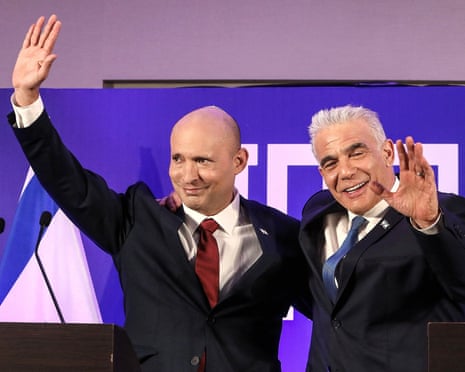
The political dynamics in Israel have grown increasingly complex under Netanyahu's continued leadership. The prime minister, who has dominated Israeli politics for much of the past two decades, now faces a significantly altered electoral environment. The opposition coalition strategy echoes successful models from other democracies, most notably the centre-right alliance that recently removed Viktor Orbán from power in Hungary. That precedent suggests that unified opposition campaigns can overcome even deeply entrenched incumbent leaders, providing hope and inspiration to those seeking change in Israel.
The announcement of this new coalition comes at a critical juncture in Israeli politics, with multiple issues dominating the national agenda. The country faces ongoing security challenges, economic pressures, and profound questions about its democratic institutions and governance. Netanyahu's government has been marked by considerable controversy, and both Bennett and Lapid have positioned themselves as agents of political renewal and reform. The merger of their parties sends a clear message that they believe substantive change is both necessary and achievable through electoral means.
Naftali Bennett's political history demonstrates his ability to mobilize rightwing voters and appeal to Israel's security-conscious electorate. As a former prime minister himself, Bennett brings executive experience and credibility to the opposition alliance. His inclusion in the coalition signals that the opposition is not simply a leftist or centrist movement, but rather a broad-based alternative that can claim support across ideological spectrums. This positioning is strategically important, as it allows the coalition to challenge Netanyahu's claim to represent conservative and security-minded Israelis.

Yair Lapid, who has emerged as one of Netanyahu's most persistent critics, brings his own formidable political machine and centrist base to the alliance. Lapid's Yesh Atid party has consistently polled as a significant force in Israeli elections, attracting voters who seek pragmatic solutions to the country's pressing challenges. The centrist leader has repeatedly argued that Netanyahu's extended tenure has been damaging to Israeli democracy and society, positioning the opposition as defenders of democratic values and good governance. By merging with Bennett's party, Lapid strengthens his hand considerably while demonstrating that the opposition is capable of making difficult political compromises for the greater good.
The announcement also includes an invitation to a third party leader to join the expanding coalition, suggesting that the opposition is building momentum and attracting additional political figures. This expansion strategy indicates confidence among the coalition's architects that their message resonates beyond Bennett and Lapid's individual constituencies. The willingness of multiple party leaders to unite demonstrates the depth of conviction that Netanyahu must be replaced and that alternative governance models are available to Israeli voters.
Political analysts have noted several factors that make the current moment particularly consequential for Israeli politics. The electorate appears increasingly fractured and open to alternatives, public opinion polling shows declining support for Netanyahu's government, and the opposition has successfully moved beyond simply criticizing the prime minister to proposing concrete alternatives. The merger of Bennett's and Lapid's parties exemplifies this transition from mere opposition to constructive alternatives. The coalition partners have begun articulating specific policy positions and governance approaches that differ markedly from Netanyahu's current administration.

The international dimension of this political development should not be overlooked. Israel's allies and partners around the world have watched with interest as political movements have challenged long-serving leaders in other democracies. The Bennett-Lapid alliance demonstrates that Israeli democracy remains robust and capable of producing meaningful electoral contests and policy debates. The formation of this coalition also reflects broader global patterns in which voters increasingly demand change and new leadership after extended periods of incumbent rule.
The timeline for the upcoming Knesset elections will be crucial in determining whether the opposition coalition can maintain unity and momentum through the campaign period. Historical experience shows that pre-election coalitions sometimes fracture under pressure, or that voters abandon broad opposition movements in favor of more ideologically consistent choices. However, the stated commitment of Bennett and Lapid to this merger, combined with their public statements about the necessity of change, suggests a determination to overcome these common obstacles.
Looking forward, the successful formation of this opposition coalition raises important questions about the future direction of Israeli politics and governance. The coalition partners have made clear that they believe Netanyahu's continued leadership represents a dead-end for the country. By uniting their political forces and inviting others to join them, Bennett and Lapid are attempting to reshape the terms of Israeli political debate and to present voters with a genuine alternative. Whether this coalition can translate announced intentions into electoral victory remains to be seen, but the very formation of this alliance represents a significant moment in contemporary Israeli political history and signals that substantive change may be within reach for voters dissatisfied with the current government's direction.
Source: The Guardian


