
Netanyahu Treated for Prostate Cancer in Israel

Israeli PM Benjamin Netanyahu undergoes successful treatment for early-stage prostate cancer. Learn about his condition and recovery.
Israeli Prime Minister Benjamin Netanyahu has disclosed that he recently underwent treatment for early-stage prostate cancer, marking a significant health development for the nation's political leader. The prime minister released an official statement confirming that a malignant tumor was successfully removed, and he has since declared himself to be in excellent physical condition following the medical procedure.
Netanyahu's announcement regarding his prostate cancer diagnosis and subsequent treatment came as part of a broader health disclosure to the Israeli public and international media outlets. The prime minister emphasized that the early detection of the cancer allowed for prompt and effective intervention, highlighting the importance of regular medical screenings for men in his age group. His medical team reported that the procedure was completed successfully, with no complications noted during or after the operation.
In his formal statement, Netanyahu stressed his commitment to continuing his duties as Prime Minister of Israel while managing his health situation. He indicated that the treatment would not significantly impact his ability to perform his governmental responsibilities or attend to critical matters of state. The prime minister's candid disclosure about his health condition represents a rare moment of personal vulnerability from one of Israel's most prominent political figures.
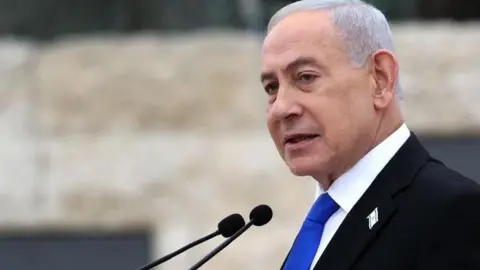
The announcement was made through official channels of the Prime Minister's Office, ensuring transparency with both the Israeli electorate and the international community. Medical experts have noted that prostate cancer treatment has advanced significantly in recent years, with early-stage diagnoses typically having excellent prognoses when caught and addressed promptly. Netanyahu's case underscores the critical importance of health screenings and regular medical check-ups for maintaining public health awareness among leaders and citizens alike.
The prime minister's disclosure has drawn attention to broader conversations about men's health in Israel and the Middle East region. Public health officials have seized this opportunity to emphasize the importance of routine prostate screening, particularly for men over a certain age threshold. The successful treatment of Netanyahu's condition serves as a practical example of how modern medical interventions can effectively address serious health concerns when detected early.
Throughout his career, Netanyahu has generally maintained a private stance regarding personal matters, making his public disclosure about his cancer diagnosis a notable exception. This openness has been praised by health advocates who believe that prominent figures discussing their medical conditions can help reduce stigma and encourage others to seek appropriate medical care. The prime minister's willingness to share details about his treatment reflects a growing trend among world leaders to be transparent about health issues affecting their ability to serve.
Netanyahu's medical team has provided regular updates confirming his recovery progress and maintaining that his physical condition remains strong. The prime minister has returned to his full schedule of governmental duties, participating in cabinet meetings, diplomatic negotiations, and public appearances without apparent limitation. His rapid return to normal activities has been attributed to the early-stage nature of the cancer diagnosis and the effectiveness of the chosen treatment approach.
The Israeli healthcare system has been commended for its role in providing prompt and comprehensive care for the prime minister's condition. Israel is widely recognized internationally for its advanced medical infrastructure and expertise in cancer treatment and management. The successful outcome of Netanyahu's treatment reflects the capabilities of Israeli medical professionals and the country's commitment to cutting-edge healthcare delivery.
From a broader perspective, Netanyahu's health situation has implications for Israel's political stability and leadership continuity. The confirmation of his recovery and continued fitness for office provides reassurance to both domestic constituencies and international partners regarding the nation's governmental operations. Political analysts have noted that the transparent handling of the prime minister's health disclosure has generally been well-received across the political spectrum.
The disclosure has also prompted increased discussion about healthcare access and cancer screening programs throughout Israel. Public health agencies have reported increased inquiries about prostate cancer screening following Netanyahu's announcement, suggesting that the prime minister's transparency may have positive ripple effects on population health awareness. Medical professionals have emphasized that early detection remains the most effective strategy for managing prostate cancer and improving treatment outcomes.
International observers have noted that Netanyahu's handling of his health disclosure represents a departure from historical precedent in some nations, where leaders have often concealed serious health conditions. The prime minister's approach of providing clear, timely information has been viewed favorably by health organizations and media commentators who advocate for transparency in matters affecting public leadership. This openness demonstrates evolving standards regarding what constitutes appropriate disclosure by elected officials regarding their medical status.
Looking forward, Netanyahu's recovery and return to full governmental duties have been described as a successful case study in early cancer detection and treatment effectiveness. His medical team continues to monitor his condition through regular follow-up appointments and ongoing surveillance protocols to ensure sustained health and early identification of any potential complications. The prime minister has expressed gratitude toward his medical professionals and has indicated his intention to continue prioritizing his health while maintaining his responsibilities as leader of the Israeli government.
The broader significance of Netanyahu's disclosure extends beyond the immediate health context to encompass important conversations about leadership accountability, transparency, and the intersection between personal health and public responsibility. His willingness to publicly address his medical condition has contributed to normalizing health discussions among political figures and has underscored the importance of maintaining open communication with constituents regarding matters that affect governmental operations and leadership continuity in Israel and beyond.
Source: BBC News


