
Netflix Recalls DMC Merch Over Character Name Typo

Netflix pulled official Devil May Cry merchandise after misspelling protagonist Dante's iconic companion's name on t-shirts. Find out what went wrong.
Netflix faced an embarrassing merchandising mishap when the streaming giant was forced to recall official Devil May Cry branded merchandise due to a glaring spelling error on the product. The incident involved a misspelled character name on t-shirts that were part of the official merchandise line, highlighting quality control issues that can occur even with major entertainment properties backed by substantial resources.
The problematic t-shirt featured Dante, the iconic protagonist of the beloved action video game franchise, alongside a character whose name was incorrectly spelled on the garment. The error centered on the spelling of "Virgil," one of the most recognizable characters in the Devil May Cry universe and a crucial figure throughout the series' narrative arc. This wasn't a minor formatting issue but rather a fundamental mistake in spelling a lead character's name—one that any dedicated fan would immediately notice.
The mistake proved significant enough to warrant a full product recall, indicating that Netflix took the error seriously and wanted to maintain the integrity of the official merchandise. Recalls of this nature are relatively uncommon in the merchandise industry, as most products make it through quality assurance checks before reaching retail shelves. The decision to pull the items from circulation demonstrates Netflix's commitment to brand standards and fan satisfaction, even when it comes at a financial cost.
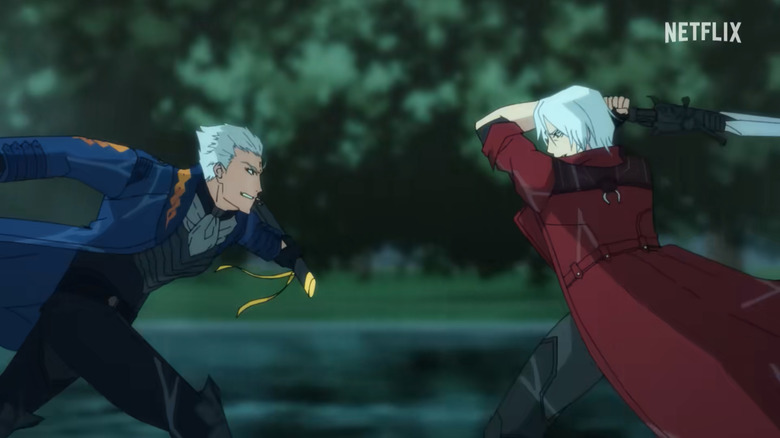
Devil May Cry, originally developed by Capcom, stands as one of the most successful action game franchises in gaming history. The series is renowned for its stylish combat mechanics, memorable characters, and compelling narrative that has evolved across multiple installments. Dante, the series' protagonist, has become an iconic video game character recognized by mainstream audiences and hardcore gamers alike. His companion Virgil—spelled with an 'i' not an 'a'—plays a crucial role in the franchise's storyline, particularly in Devil May Cry 3 and 5, where their relationship takes center stage.
The character Virgil represents one of the franchise's most important supporting roles, with complex character development and an elaborate backstory that explains his motivations and connections to Dante. Fans of the series would instantly recognize the misspelling as a significant oversight, given how integral this character is to the franchise's identity. The merchandise error suggests that whoever designed or approved the t-shirt may not have been sufficiently familiar with the source material, or that proofreading procedures weren't adequately followed before production.
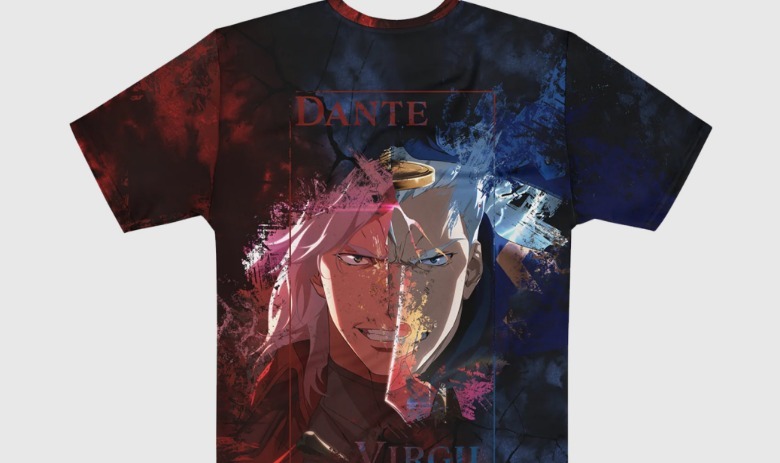
This incident raises important questions about quality control in merchandise production for licensed products. When major entertainment companies like Netflix partner with game publishers to create official merchandise, there's an expectation that every detail will be carefully vetted. The fact that such a basic error made it through multiple stages of production—from design conception to manufacturing—suggests potential gaps in the approval process. Licensed merchandise typically requires sign-off from the original IP holders, making this mistake even more puzzling.
Netflix has significantly expanded its merchandise offerings in recent years as part of a broader strategy to leverage its streaming content across multiple revenue streams. The streaming platform has developed partnerships with major brands and manufacturers to create clothing, collectibles, and other merchandise featuring popular shows and franchises from its catalog. However, this expansion also increases the complexity of quality control operations, as managing merchandise across numerous properties requires extensive coordination and attention to detail.
The recall process for merchandise like t-shirts can be complex and costly, involving communication with retailers, logistics coordination, and determining appropriate remedies for affected customers. Consumers who had already purchased the misspelled t-shirts needed to be informed about the issue and offered replacement products or refunds. This kind of customer service recovery is necessary to maintain brand reputation and customer trust, particularly among the passionate fan communities that support properties like Devil May Cry.
Fan reactions to the merchandising error were predictably critical, with many users on social media platforms pointing out the mistake and questioning how such an oversight could occur. The incident became particularly notable because it involved a character name that should have been straightforward to verify. Devil May Cry fans are notoriously dedicated and knowledgeable about franchise details, making this the kind of error that would inevitably be caught and widely publicized by the community. The visibility of the mistake on social media amplified the embarrassment and highlighted the importance of getting details right when serving passionate fan bases.
This situation serves as a cautionary tale for major entertainment companies engaging in merchandise licensing and production. Even well-resourced organizations with established quality control processes can miss obvious errors when handling licensed content. The incident underscores the importance of involving actual fans or franchise experts in the approval process, as they would immediately catch such mistakes. Additionally, it highlights the need for multiple layers of verification when dealing with character names and other critical franchise elements.
Netflix's response to pull the merchandise quickly and offer replacements demonstrates how companies should handle such situations once errors are discovered. Attempting to sell obviously flawed products would have generated far greater backlash and damaged the relationship with both fans and the franchise's original creators at Capcom. The swift action, while costly, represents the correct approach to maintaining brand integrity and customer goodwill. Moving forward, such incidents typically prompt reviews of manufacturing and quality assurance procedures to prevent similar mistakes in future releases.
The Devil May Cry franchise continues to maintain a dedicated global following despite being established in 2001. The recent success of Devil May Cry 5 and subsequent Vergil DLC content has reinvigorated interest in the series among both long-time fans and newer audiences. Netflix's decision to create official merchandise around this popular franchise made commercial sense, but the execution fell short of expectations. As streaming platforms increasingly look to monetize their content libraries through merchandise sales, maintaining quality and accuracy becomes increasingly important to their overall business strategies.
Looking ahead, incidents like this merchandise recall will likely encourage more companies to implement stricter verification procedures when producing licensed products. The cost of recalls, combined with potential reputational damage, provides strong financial incentives to get things right the first time. For Netflix specifically, this situation serves as a reminder that even seemingly simple details require rigorous attention when working with beloved franchises that have large, engaged fan communities constantly scrutinizing every detail.
Source: Engadget


