
Nevada Utility Cuts Power to Lake Tahoe for Data Centers

NV Energy abandons 49,000 Lake Tahoe residents to redirect electricity capacity toward booming data center expansion. A critical energy crisis unfolds.
The picturesque alpine community of Lake Tahoe faces an unprecedented energy crisis as a major Nevada utility company prepares to withdraw its power supply, forcing nearly 50,000 California residents to scramble for alternative electricity sources by May 2027. This dramatic shift in energy allocation stems from the region's explosive growth in data center development, which is consuming increasing amounts of power resources that were previously allocated to the scenic mountain town straddling the California-Nevada border.
Lake Tahoe's electricity infrastructure has historically relied on a critical power-sharing agreement with NV Energy, the dominant utility serving Nevada. For decades, this arrangement has provided stability and reliability to the region's residents and thriving tourism industry. However, Liberty Utilities, the California-based company responsible for delivering power to Lake Tahoe's 49,000 residents, recently received notification that NV Energy will terminate its power supply agreement effective May 2027, according to detailed reporting by Fortune magazine and subsequent regulatory filings.
The implications of this decision extend far beyond simple infrastructure logistics. Lake Tahoe, known worldwide as both a premier ski destination and summer tourist attraction, depends on consistent electricity for heating, cooling, water systems, and the extensive hospitality infrastructure that supports its economy. The sudden withdrawal of 75 percent of the region's primary power source represents one of the most significant energy disruptions facing any American community in recent years.
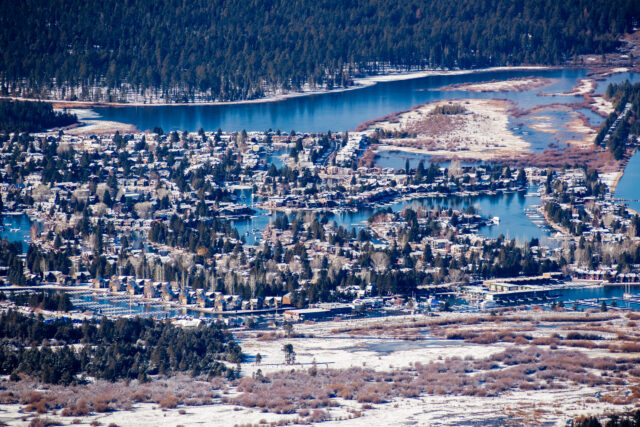
According to Liberty Utilities' official filing with California regulators, NV Energy's decision prioritizes data center expansion in northern Nevada over continued service to Lake Tahoe. The utility company has outlined an ambitious growth strategy centered on attracting major technology and artificial intelligence infrastructure projects, which require substantial and consistent power supplies. These facilities demand far greater electrical capacity than traditional residential or commercial customers, making them more lucrative for utility providers seeking revenue growth.
The scale of Nevada's data center demand growth is staggering. NV Energy's own internal planning documents, as highlighted by Fortune's investigation, project that approximately a dozen major data center projects currently in development across northern Nevada could collectively drive an estimated 5,900 megawatts of new electrical demand by 2033. To put this in perspective, this represents more than double the current peak power consumption of the entire Lake Tahoe region and surrounding areas.
This surge in data center development reflects broader national and global trends in cloud computing, artificial intelligence, and digital infrastructure expansion. Tech companies and data center operators are increasingly seeking locations in cooler climates to reduce cooling costs, and Nevada's geography, available land, and existing power infrastructure make it an attractive destination. However, this growth has created a zero-sum energy allocation problem, where finite power resources must be distributed among competing interests.
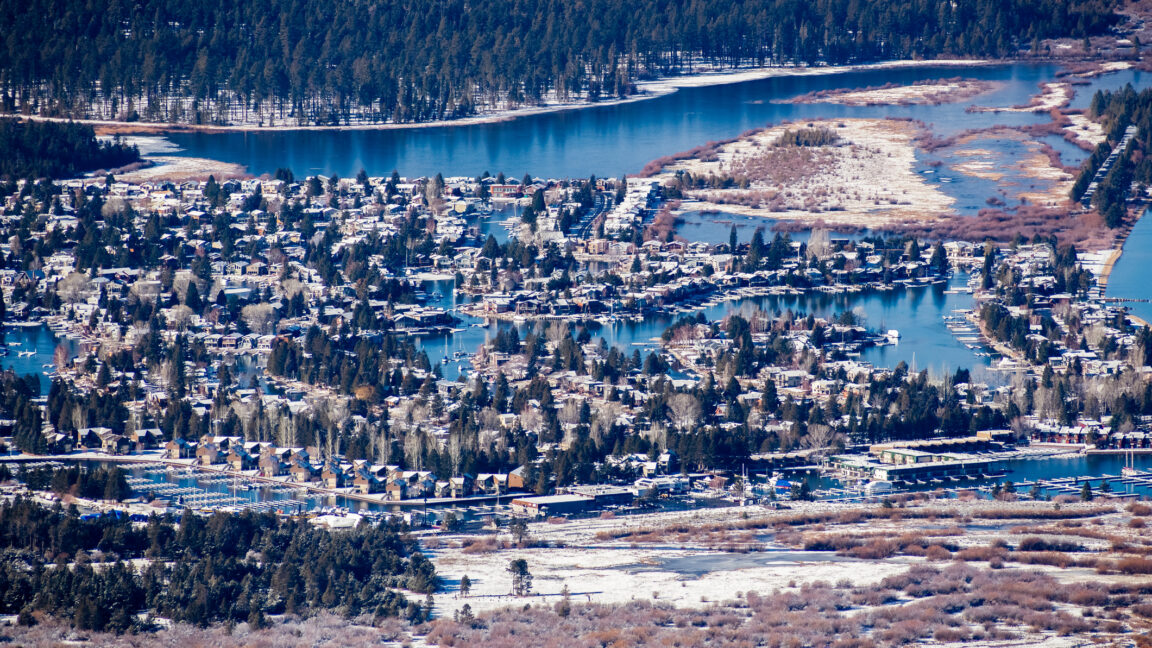
The Lake Tahoe energy crisis highlights a critical tension in America's energy infrastructure development. As the country invests heavily in digital transformation and artificial intelligence capabilities, the physical infrastructure supporting these technologies requires enormous amounts of electricity. Simultaneously, established communities with existing power agreements find themselves vulnerable when utility companies prioritize emerging sectors offering potentially higher returns and demand growth.
Liberty Utilities now faces the monumental challenge of identifying alternative power sources for Lake Tahoe within the next eighteen months. The options are limited and complex. The company could attempt to negotiate new arrangements with other regional utilities, invest in renewable energy infrastructure such as solar or geothermal systems, or pursue a combination of smaller power purchase agreements with multiple providers. Each option presents significant financial and logistical hurdles.
Nevada's utilities regulators have acknowledged the situation, but their authority to compel NV Energy to maintain service to Lake Tahoe is limited. While California regulators oversee Liberty Utilities' operations, the withdrawal of power from an out-of-state provider involves interstate commerce issues and conflicting jurisdictional interests. This regulatory complexity means that solutions must be negotiated rather than mandated, giving NV Energy substantial leverage in determining the region's energy future.
The economic implications for Lake Tahoe could be severe. Tourism operators worry that unreliable or expensive electricity could reduce the region's competitiveness compared to other ski resorts and mountain destinations. Property values might be affected by uncertainty regarding utility costs and service reliability. Small businesses dependent on consistent power supply face potential operational disruptions and increased expenses.
Local government officials and community leaders have begun mobilizing to address the crisis. Emergency meetings with state legislators, utility commissioners, and industry experts are being scheduled to explore solutions. Some officials have suggested that California might need to invest in new transmission infrastructure or renewable energy facilities specifically to serve the Lake Tahoe region as an alternative to relying on Nevada-based power sources.
The situation also raises broader questions about energy policy and infrastructure planning in an era of rapid technological change. Should utility regulators prioritize established communities over emerging industries? How should regional electricity grids be managed when demand from new sectors like data centers fundamentally reshapes traditional power allocation patterns? These questions lack easy answers and may require new regulatory frameworks and interstate agreements.
Renewable energy advocates have suggested this crisis presents an opportunity to accelerate transition to sustainable power sources in the Lake Tahoe region. Solar installations, geothermal systems, and other renewable technologies could potentially reduce dependence on external power sources while supporting long-term sustainability goals. However, constructing new renewable infrastructure within eighteen months presents significant engineering and permitting challenges.
The Lake Tahoe energy situation may set precedents for other communities facing similar challenges as data center development accelerates across the United States. Nevada, Texas, Oregon, and other states with available land and moderate climates are experiencing similar pressures from technology companies seeking data center locations. How Lake Tahoe resolves its energy crisis could influence policy decisions and infrastructure investments nationwide.
As May 2027 approaches, the stakes for Lake Tahoe's 49,000 residents continue to mount. Without a concrete solution, the region faces potential brownouts, substantially higher electricity rates, or even economic decline. The coming months will test whether community leaders, utility companies, and government regulators can collaborate to find a viable path forward that balances the region's energy needs with the broader economic imperatives driving data center expansion across the nation.
Source: Ars Technica


