
New Laws Block Driving Test Queue Jumping Scams

Government cracks down on third-party bot services that exploit UK driving test waiting lists. Learn how new regulations protect legitimate test applicants.
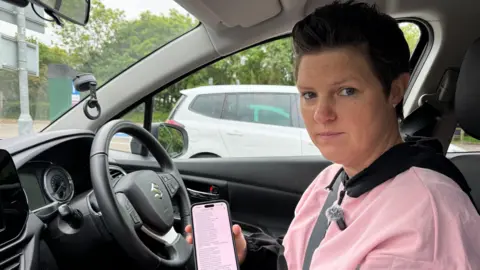
Driving test waiting lists have become a target for exploitation, with individuals like Robert willing to pay premium prices to circumvent lengthy delays. Robert's £726 payment to skip the queue represents a growing problem affecting thousands of UK drivers seeking test appointments. The government has now taken decisive action to address this systemic issue through new regulatory measures designed to protect fair access for all applicants.
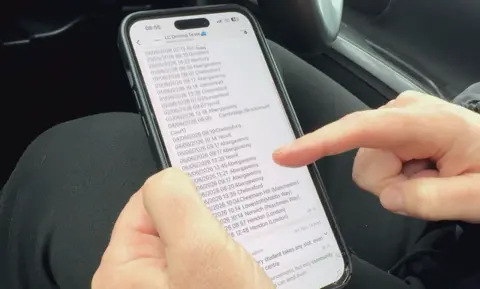
Third-party operators have developed sophisticated bot technology specifically designed to automate the purchasing process for driving test slots. These automated systems monitor the DVLA's online booking portal continuously, identifying and securing available test dates within milliseconds of them becoming available. Once secured, these slots are resold to desperate applicants at dramatically inflated prices, sometimes doubling or tripling the official test fee of around £62.
The waiting list crisis has been fueled by unprecedented demand and limited testing capacity across the United Kingdom. During pandemic-related lockdowns and subsequent recovery periods, a backlog of test applications accumulated, creating a perfect storm for opportunistic resellers. Applicants facing waits of six months or longer found themselves increasingly tempted to pay premium prices through unofficial channels rather than endure extended delays.

The government's new legislative framework directly targets the automation tools and bot services that enable this market. Under the revised regulations, using automated software to circumvent official booking systems constitutes a violation of terms and conditions, with potential legal consequences for operators. The measures aim to level the playing field by ensuring that test slots are distributed fairly among all applicants rather than funneled to those with access to sophisticated technological workarounds.
Robert's experience, while highlighting the desperation many feel regarding test appointment availability, also demonstrates the prevalence of this underground market. His willingness to spend over £700 reflects the severity of waiting periods and the perceived value of obtaining an appointment quickly. However, regulators argue that such transactions ultimately harm the broader system and disadvantage those unable or unwilling to pay premium prices.
The DVLA has implemented additional safeguards to detect and prevent automated booking attempts. These anti-bot measures include enhanced verification processes, CAPTCHAs, and traffic pattern analysis designed to identify suspicious booking behavior. Users attempting to secure multiple tests or displaying patterns consistent with automated access face account suspension and potential investigation.
Enforcement of the new regulations requires cooperation between multiple government agencies and private sector partners. The DVLA works alongside the Information Commissioner's Office and trading standards bodies to investigate reported violations. Penalties for third-party operators caught running bot services include substantial fines and potential criminal charges depending on the scale of operation and financial gain involved.
Legitimate driving test applicants should register through official DVLA channels and await their appointment dates according to standard protocols. The government emphasizes that patience, while frustrating, remains the fairest approach to securing test slots. Applicants tempted by reseller offerings should understand that such transactions may violate terms of service and could result in test cancellation without refund.
The crackdown on test slot reselling addresses not only fairness but also data protection concerns. Third-party services typically require access to personal information including names, addresses, and driving license numbers. Using these services exposes applicants to identity theft risks and unauthorized use of their personal data, concerns that regulators have emphasized in their campaign to eliminate these intermediaries.
Transport officials acknowledge that the long-term solution requires addressing capacity issues within the testing system itself. While new regulations eliminate unfair shortcuts, the government simultaneously works to increase the number of available test slots. Investment in additional testing centers, extended operating hours, and recruitment of examiner staff aims to reduce waiting periods for all applicants without requiring premium payments.
Industry observers note that the timing of these new laws reflects growing public frustration with test availability. Parliamentary committees have received numerous complaints from constituents unable to obtain appointments, making this issue politically significant ahead of upcoming elections. By demonstrating decisive action against exploitative practices, the government addresses voter concerns while working toward systemic improvements.
The legislation sets important precedents for combating bot usage across government services more broadly. Similar issues affect other high-demand public services including passport applications, university admissions, and healthcare appointments. The framework developed to protect driving test access provides a model that other regulatory bodies may adopt for their respective domains.
For applicants currently stuck in queues, support mechanisms have been enhanced through the new regulatory environment. Helplines staffed by DVLA representatives assist with legitimate appointment queries, while reporting mechanisms allow the public to flag suspected reseller operations. The government encourages anyone aware of bot services or unlicensed test slot providers to report them through official channels.
Robert's experience serves as a cautionary tale for others considering unofficial routes to faster test appointments. While his £726 payment secured an immediate appointment, the new regulations mean that similar opportunities will increasingly disappear. Future applicants will need to rely exclusively on official DVLA channels, making legitimate waiting times the only viable path forward for obtaining legal driving test appointments.
Source: BBC News


