
NFL Draft 2026: Rams Shock With QB Pick

The Rams stunned everyone by selecting Alabama QB Ty Simpson at No. 13 in the 2026 NFL Draft. Discover the biggest surprises and trades from opening night.
The 2026 NFL Draft delivered one of the most unexpected opening nights in recent memory, as several teams made bold decisions that left analysts and fans scrambling to understand their strategic directions. The Rams shocked the football world with a controversial move that set the tone for an evening filled with surprises, trades, and franchise-altering picks. With a win-now mentality and a roster that many believed was already competitive, Los Angeles' selection at pick No. 13 raised eyebrows across the league and sparked intense debate about the team's future direction.
The Los Angeles Rams made what many consider the most jaw-dropping selection of the night by sticking with their original pick and selecting Alabama quarterback Ty Simpson. This move was particularly shocking given the Rams' existing roster composition and their perceived need for defensive reinforcement rather than a new signal-caller. Head Coach Sean McVay appeared visibly underwhelmed during the team's post-pick press conference, with his body language and facial expressions suggesting surprise or disappointment at the organization's choice. The disconnect between McVay's demeanor and the selection itself raised questions about whether the coaching staff had been fully aligned with the front office on this particular decision.
In an interview following the announcement, Simpson revealed that he had never actually met McVay before being drafted by the team, which added another layer of concern about the coordination between the Rams' coaching and personnel departments. For a quarterback stepping into a new franchise, establishing a relationship with the head coach is typically considered foundational to long-term success. The lack of prior contact between these two key figures sparked criticism on social media and among draft analysts, who questioned whether this move represented a calculated strategic shift or a breakdown in organizational communication.

Beyond the Rams' surprising selection, the first round of the 2026 NFL Draft showcased a notably accelerated pace compared to previous years. Teams moved more quickly through their picks, demonstrating either better preparation, clearer draft strategies, or a combination of both factors. This faster tempo created a different atmosphere at the draft venue, with less waiting and speculation between selections. The brisk pace also meant that the evening's blockbuster moves and unexpected choices came in rapid succession, keeping viewers engaged and constantly on edge about what might happen next.
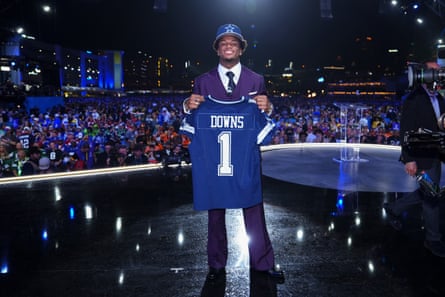
The Dallas Cowboys used their early draft capital to address what many observers described as a catastrophically weak defensive unit. The team's defense had been a major liability throughout the previous season, and with several key departures during free agency, the Cowboys recognized that immediate reinforcement was necessary. Rather than pursuing defensive help through trade negotiations, Dallas opted to build through the draft, selecting multiple defensive prospects to form the foundation of a rebuilt unit. This approach demonstrated a commitment to long-term defensive development while also signaling a reset for the franchise's identity.
The Cowboys' defensive overhaul represented a wholesale reimagining of how the franchise approaches the game on that side of the ball. The organization invested premium draft picks in addressing gaps in their secondary, linebacker corps, and defensive line, essentially dismantling the old system and rebuilding from scratch. This strategy required patience and confidence in the coaching staff's ability to develop young talent into impact players. The early returns on these picks would prove crucial in determining whether the Cowboys' draft strategy would pay dividends or become viewed as a missed opportunity in hindsight.
The New York Jets took a notably different approach by focusing on adding dynamic playmaking ability to their roster. The Jets' selections emphasized speed, explosiveness, and the ability to create separation in open space. This draft strategy reflected a broader organizational philosophy about building an offense that could stretch the field vertically and create opportunities for explosive gains. By prioritizing athletes with demonstrable athleticism and big-play potential, the Jets signaled their intent to build an exciting, up-tempo offensive system that could compete in a rapidly evolving NFL landscape.
The Jets' emphasis on adding "juice" to their roster—a colloquial term for energy, athleticism, and excitement—demonstrated an understanding that modern NFL offenses require dynamic talent that can win on all three levels of the field: deep threats at receiver, talented pass-catchers in the slot, and explosive running backs capable of taking short passes to the house. This offensive approach contrasted sharply with more conservative draft methodologies that prioritize positional need and immediate defensive contributions. The Jets' willingness to take chances on high-ceiling talent suggested confidence in their ability to develop these players into franchise cornerstones.
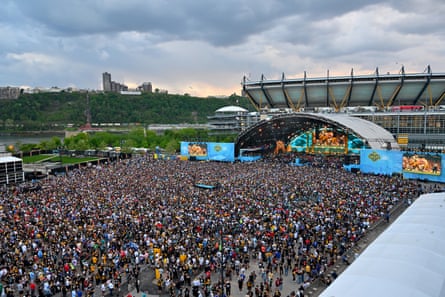
The 2026 NFL Draft opening night ultimately represented a shift in how teams approach player selection and roster construction. The faster pace, the unexpected choices, and the diverse strategies employed by different franchises all pointed to an evolution in draft strategy across the league. Teams appeared more willing to trust their evaluations and less concerned with conforming to traditional positional needs or conventional wisdom about what a draft class "should" look like. This independence in decision-making suggested that front offices were becoming more confident in their analytical capabilities and scouting departments.
As the draft progressed into subsequent rounds, the ramifications of the first round's explosive activity became clearer. Teams that had made bold moves earlier in the evening would need to adjust their remaining selections based on how the board had fallen and which players were unexpectedly still available. The Rams' QB selection had sent shockwaves through the quarterback market, potentially affecting which teams would pursue signal-callers and which would focus on other positions. The Cowboys' defensive overhaul meant that premium talent at edge rusher and secondary positions was moving off the board more quickly than some teams had anticipated.
Looking ahead, the true evaluation of the 2026 NFL Draft would take years to complete as rookies worked their way onto rosters and contributed to their respective teams' success. The Rams' controversial QB selection would either prove to be visionary or disastrous, depending largely on whether Simpson could develop into a starting-caliber NFL quarterback. The Cowboys' comprehensive defensive rebuild would need to produce tangible improvements on the field for the strategy to be deemed successful. The Jets' focus on dynamic offensive talent would need to translate into actual production and playoff relevance for the organization's draft class to achieve its objectives.
The 2026 NFL Draft opening night will be remembered as a watershed moment in how the league approaches player selection and team building. The surprising moves, unexpected choices, and faster pace all contributed to a more engaging evening of football for fans while also raising important questions about whether conventional wisdom still applies in the modern NFL. As teams begin the real work of developing these draft picks and integrating them into their systems, the full impact of opening night's shocking selections will gradually become apparent to analysts and fans alike.
Source: The Guardian


