
Niemann Triumphs in Warsaw, Claims $50K Prize

US grandmaster Hans Niemann wins biggest career success at Grand Chess Tour, defeating world top players and moving closer to elite rankings.
In a remarkable display of skill and determination, Hans Niemann, the controversial US grandmaster, has achieved what may be the defining moment of his professional chess career. Competing as a wildcard entry at the Warsaw Rapid & Blitz tournament in Poland last weekend, Niemann secured the coveted $50,000 first prize, cementing his status as one of the world's most formidable players and signaling his arrival among the sport's elite competitors.
The victory comes at a particularly significant moment for Niemann, whose career trajectory had been complicated by the highly publicized controversy surrounding his 2022 encounter with Magnus Carlsen at the Sinquefield Cup. That fateful game sparked unprecedented cheating allegations that reverberated throughout the chess world, leading to a protracted legal battle, a substantial $100 million lawsuit, an out-of-court settlement, and considerable media attention including the widely-watched Netflix documentary series Untold: Chess Mates. A forthcoming book about the incident promises to delve deeper into one of chess's most controversial chapters.
Despite the lingering shadow of these disputes, Niemann's performance in Warsaw demonstrated unequivocally that he possesses the technical prowess and mental fortitude to compete at the highest levels of international chess. His triumph was particularly noteworthy given the caliber of opposition he faced throughout the tournament. The competition featured some of the world's most prestigious players, each bringing their own formidable credentials and tournament experience to the table.

Among the elite competitors that Niemann surpassed was Fabiano Caruana, the accomplished US champion currently ranked world No. 3, who finished as runner-up in the tournament standings. Caruana's presence alone underscored the significance of Niemann's achievement, as the American grandmaster represents the pinnacle of US chess excellence. Additionally, the field included Gukesh Dommaraju, India's reigning world champion, whose youthful brilliance and innovative approach to the game have made him one of the most exciting talents in contemporary chess. Rounding out the tournament's elite participants was Javokhir Sindarov, the prestigious Candidates winner whose qualification for the world championship race marked him as another formidable challenger.
The Warsaw event was sanctioned as part of the Grand Chess Tour, an ambitious international circuit backed by the influential St. Louis Chess Club. This prestigious competition series, which continues through August, serves as a showcase for the world's best players and includes several marquee events. The tour culminates with the legendary Sinquefield Cup, widely regarded as one of the most prestigious rapid chess tournaments in existence, known for its exceptionally strong field and substantial prize pool.
Niemann's victory carries significant implications for his position in the world chess rankings. The substantial prize money and tournament points he accumulated in Warsaw have moved him considerably closer to breaking into the world's top 10, a threshold that would represent a remarkable achievement given the intense competition and established dominance of the sport's traditional power players.
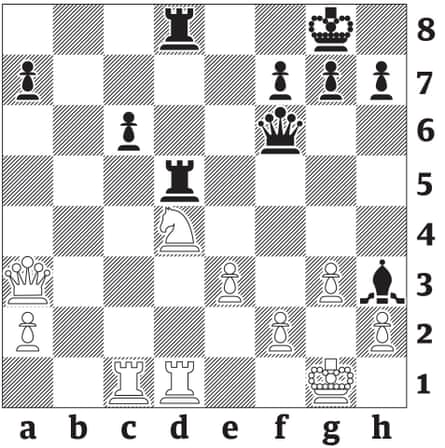
The psychological dimension of Niemann's Warsaw triumph cannot be overlooked. For a player who has endured considerable scrutiny and skepticism following the Carlsen controversy, delivering an undisputed victory against the world's elite represents far more than mere statistical success. It constitutes a powerful statement of resilience and a refutation of the doubts that have surrounded his career since the allegations emerged. The chess community, which had been sharply divided in its assessment of Niemann's integrity and abilities, now confronts indisputable evidence of his competitive capacity.
His performance throughout the rapid and blitz formats, which demand not only deep theoretical knowledge but also exceptional tactical acuity and psychological composure, showcased the multifaceted skill set that characterizes world-class chess mastery. These faster time controls often reveal a player's intuitive understanding of position and their ability to execute under pressure—qualities that Niemann demonstrated in abundance during his winning campaign in Warsaw.
The implications of this victory extend beyond Niemann's personal career trajectory. His success sends ripples through the competitive chess landscape, particularly regarding questions about player evaluation, comeback narratives, and the resilience required to maintain excellence in the face of adversity and public controversy. For younger players navigating their own journeys through the chess world, Niemann's example offers an instructive lesson about perseverance and the importance of allowing one's playing strength to speak for itself.
Looking ahead, Niemann's trajectory will be closely monitored as the Grand Chess Tour progresses toward its conclusion and the highly anticipated Sinquefield Cup. The tournament that sparked the controversy nearly two years ago now beckons as a stage for further demonstration of his capabilities. Should Niemann perform similarly in Saint Louis, the narrative of redemption and vindication would be virtually complete, and his status among the world's elite would be unquestionably secured.
The chess world watches with considerable interest as this gifted but polarizing figure continues his journey. Whether Niemann can maintain the exceptional form he displayed in Warsaw, sustain his rise through the rankings, and ultimately establish himself as a legitimate contender for the world championship remains an open question. What is now certain, however, is that he possesses the skill, determination, and competitive spirit necessary to compete at the absolute highest levels of the game. His Warsaw victory stands as undeniable proof of that reality.
Source: The Guardian


