
Nigeria Arrests Ex-Power Minister Convicted of Corruption

Former Nigerian power minister arrested after hiding from 75-year corruption sentence. Major breakthrough in Nigeria's anti-corruption efforts and accountability.
In a significant development for Nigeria's anti-corruption efforts, authorities have successfully apprehended a former power minister who had been evading justice following a corruption conviction earlier this month. The arrest marks a major breakthrough in the country's ongoing battle against high-level government malfeasance and demonstrates renewed commitment to holding public officials accountable for their actions.
The former minister, who had managed to remain in hiding despite the legal proceedings against him, was taken into custody after being tracked down by Nigerian law enforcement agencies. His capture comes just weeks after he received a substantial 75-year prison sentence handed down in absentia by the court system. The conviction was related to extensive allegations of financial misconduct and misappropriation of public funds during his tenure managing the nation's critical power sector.
This case represents one of the most high-profile arrests in Nigeria's corruption crackdown, which has intensified in recent years as the government attempts to address systemic challenges within the bureaucracy. The power sector, in particular, has been plagued by accusations of inefficiency, embezzlement, and mismanagement that have hampered the country's energy infrastructure development and economic growth.
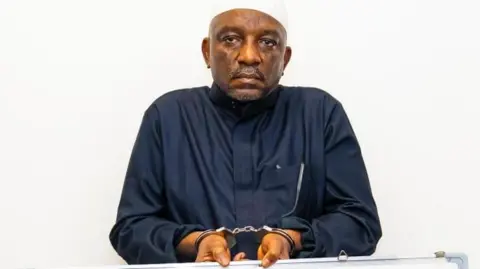
The arrest underscores the determination of Nigerian authorities to pursue those accused of financial crimes regardless of their previous position or status within the government. Despite the fugitive status of the former minister, investigators maintained pressure on the case and ultimately succeeded in locating and apprehending the individual. The successful operation involved coordination between multiple law enforcement agencies and demonstrated improved investigative capabilities within the Nigerian justice system.
During his time as power minister, the former official oversaw a sector that was in critical need of reform and investment. The power industry in Nigeria has long struggled with inadequate infrastructure, frequent outages, and inefficient management. The corruption allegations against him centred on his handling of major contracts, equipment purchases, and fund allocations during a period when billions of naira were allocated for sector modernization and expansion.
The 75-year sentence handed down by the court was one of the longest sentences given in a corruption case involving a former Nigerian government official in recent memory. The severity of the punishment reflects the magnitude of the offences he was convicted of and the court's determination to send a strong message about the consequences of government corruption at the highest levels of the administration.

The case has attracted significant attention from both domestic and international observers who view it as a critical test of Nigeria's anti-corruption infrastructure and judicial independence. International organizations focused on transparency and governance have been monitoring the proceedings closely, recognizing that how Nigeria handles such cases could influence the country's standing in global corruption indices and investor confidence.
The arrest also highlights the challenges faced by developing nations in combating white-collar crime and ensuring that fugitives cannot simply disappear into the system. The former minister's initial evasion of capture had raised questions about whether individuals with resources and connections could evade accountability indefinitely. His apprehension suggests that improving detection and enforcement mechanisms are helping to close such loopholes.
Following his arrest, the former minister will be transferred to detention facilities where he will await processing and any subsequent legal proceedings related to the existing conviction. Legal experts note that the case may still face additional appeals or reviews, which is standard in the Nigerian legal system for cases of this magnitude and complexity.
The successful apprehension represents a victory for Nigeria's anti-corruption agencies and sends an important signal that no one is above the law, regardless of previous government position. The investigation and arrest involved substantial resources and coordination, reflecting the priority that authorities have placed on recovering stolen public funds and punishing those responsible for their theft.
In the broader context of Nigeria's governance challenges, this case illustrates both the scale of corruption that has plagued the nation's public institutions and the growing capacity of the system to respond effectively. While significant obstacles remain in Nigeria's fight against corruption, successes like this arrest demonstrate measurable progress in holding officials accountable for their actions while serving the public trust.
Source: BBC News


