
Nigeria Charges Six With Treason Over Failed Coup Plot

Nigerian authorities have charged six individuals with treason following allegations of a coup plot that emerged in October 2025 when Independence Day celebrations were abruptly cancelled.
Nigeria has taken significant legal action against six individuals accused of involvement in an alleged coup plot that threatened the nation's stability and democratic institutions. The charges of treason represent one of the most serious accusations in the country's legal framework and signal the government's commitment to prosecuting those involved in any attempt to overthrow the constitutional order.
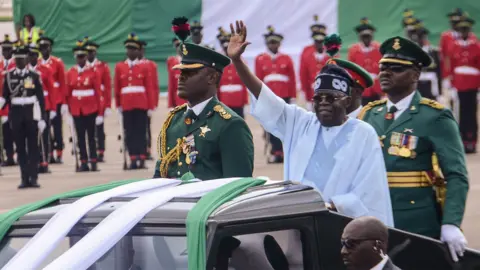
The investigation into the alleged conspiracy began following suspicious activities and intelligence reports that came to light during preparations for the nation's Independence Day celebrations in October 2025. When authorities became aware of the purported plot, the government made the unprecedented decision to cancel the annual Independence Day parade, a significant cultural and patriotic event that typically draws thousands of citizens and dignitaries to commemorate the country's sovereignty and freedom from colonial rule.
The cancellation of such a major national celebration raised immediate concerns among the public and international observers about the nature and scope of the alleged security threat. Officials maintained that the decision was made out of an abundance of caution to protect citizens and prevent any potential violence or disruption. The move underscored the seriousness with which authorities were treating the intelligence they had received about the conspiracy.
Over the following weeks, Nigerian security forces launched a comprehensive investigation into the alleged coup plot, working to identify all individuals involved in the conspiracy and gathering evidence to support legal charges. The investigation reportedly involved multiple government agencies, including the military, state security services, and law enforcement officials working in coordination to uncover the full extent of the alleged plot.
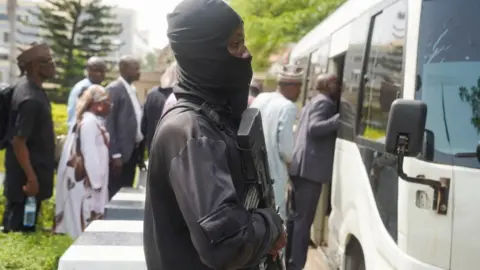
The six individuals who have now been charged were identified as key figures allegedly involved in planning or supporting the attempted overthrow of the government. Each of the accused faces treason charges, which under Nigerian law carry severe penalties including lengthy imprisonment and, in some cases, capital punishment depending on the specifics of their involvement and the extent of their culpability.
The charges against these individuals represent a formal acknowledgment by the Nigerian government that there was sufficient evidence to believe they had engaged in activities aimed at subverting constitutional authority and undermining the nation's democratic processes. The legal proceedings will likely involve extensive court hearings where evidence will be presented to establish the connection between the accused and the alleged conspiracy.
This incident highlights ongoing challenges to political stability in Nigeria, a West African nation that has faced multiple military coups and attempted takeovers throughout its post-independence history. The recurring threat of political instability has been a persistent concern for both domestic policymakers and international partners invested in regional security and democratic governance.
The timing of the alleged plot during Independence Day preparations is particularly significant, as this holiday symbolizes national unity and patriotic commitment to the country's constitutional framework. By attempting to exploit this period of heightened activity and gathering, the alleged conspirators may have been seeking to maximize the impact and symbolic weight of their actions.

The investigation and subsequent charges underscore the security concerns that continue to affect Nigeria despite efforts by successive administrations to strengthen institutional safeguards against internal threats. Intelligence agencies and security forces must constantly remain vigilant to detect and neutralize potential threats to constitutional order before they can be executed or cause significant harm to the nation.
International responses to the alleged coup plot and the government's handling of the situation have been varied. Some international observers have praised Nigerian authorities for their swift action in uncovering the conspiracy and preventing potential violence, while others have called for transparency in the legal proceedings and adherence to due process rights for the accused.
The decision to charge the six individuals with treason rather than lesser offenses demonstrates the gravity with which the Nigerian government views the alleged conspiracy. Treason charges typically require prosecutors to present compelling evidence of intent to overthrow the government or substantially undermine its authority, making these among the most serious allegations that can be brought against citizens.
Legal experts have noted that treason cases in Nigeria often attract international attention due to their political significance and the implications they carry for understanding power dynamics and stability within the country. The outcome of these trials may have broader implications for how the government addresses future security threats and the precedents established for prosecuting alleged political conspiracies.
The alleged coup plot also raises questions about internal security vulnerabilities within government institutions and the armed forces. Officials have suggested that the conspiracy may have involved individuals with access to sensitive information or military resources, highlighting the need for enhanced vetting procedures and internal security protocols.
As the legal cases against the six accused individuals proceed through Nigerian courts, the nation remains focused on strengthening its democratic institutions and preventing future attempts to undermine constitutional governance. The government has indicated its commitment to ensuring that those responsible for the alleged plot face justice under the law while maintaining respect for individual rights and legal procedures.
The cancellation of the Independence Day parade in October 2025 remains a stark reminder of the security challenges facing Nigeria and the ongoing need for vigilance among both government officials and citizens. While the alleged plot was reportedly disrupted before it could be executed, the incident serves as a wake-up call about the fragility of political stability and the constant threat posed by those who seek to seize power through unconstitutional means.
Moving forward, the trials of the six accused individuals will provide important insights into the nature of the alleged conspiracy, the extent of planning and coordination involved, and the identities of potential additional conspirators or supporters. The legal proceedings will likely be closely watched by observers both within Nigeria and internationally as indicators of the country's commitment to rule of law and democratic governance.

The treason charges filed against these individuals mark an important moment in Nigeria's ongoing effort to confront and combat threats to its constitutional order. As the nation continues to develop and strengthen its democratic institutions, the ability to effectively identify, prosecute, and punish those who attempt to overthrow the government remains crucial to maintaining stability and public confidence in the rule of law.
Source: BBC News


