
Nigeria's Secret Coup Plot: Money, Faith & Hollywood

Court documents and investigation sources reveal shocking details of an alleged Nigerian coup conspiracy involving financial schemes, religious figures and entertainment industry arrests.
Nigeria has been rocked by revelations of an alleged coup plot that reportedly involved a complex web of financial transactions, religious manipulation, and surprising connections to the entertainment industry. According to court papers examined by the BBC and sources closely involved with the ongoing investigation, the conspiracy extended far beyond what initial public reports suggested, revealing a deeply troubling scheme that threatened the nation's political stability.
The investigation into this alleged Nigerian coup conspiracy has uncovered a sophisticated operation that prosecutors claim involved multiple layers of coordination and resources. Court documents obtained by international media outlets detail how participants allegedly worked to organize what they characterized as a plan to overthrow the government. The scope of the operation, as documented in official legal filings, indicates that several individuals held positions of considerable influence across different sectors of society.
One of the most striking aspects of the investigation involves the role of financial schemes that allegedly funded the operation. According to sources familiar with the probe, significant sums of money were transferred between accounts in ways designed to obscure their origin and purpose. These monetary transactions, detailed extensively in court documentation, suggest a level of financial planning and resource allocation that would have been necessary to support such an ambitious undertaking.
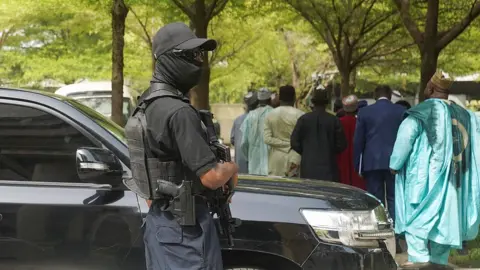
Religious elements played an unexpected and troubling role in the alleged conspiracy, according to multiple sources interviewed during the investigation. Court papers reveal that certain individuals reportedly used prayer sessions and religious gatherings as cover for planning meetings and coordination activities. This exploitation of spiritual practices has raised particular concern among Nigerian officials and civil society organizations, who view it as an abuse of the trust that communities place in religious institutions.
The arrest of a Nollywood personality sent shockwaves through Nigeria's entertainment industry and captured public attention in ways that earlier developments had not. The involvement of someone from the film sector highlighted the unexpected breadth of the alleged conspiracy and suggested that the plot had attracted support from individuals across diverse professional backgrounds. Entertainment industry sources expressed surprise and concern about the individual's alleged participation in such activities.
Investigators have spent considerable time analyzing the connections between different groups of conspirators, according to those close to the coup investigation. Court documents show that participants came from military circles, civilian government positions, business sectors, and the entertainment world. This diversity of involvement complicated the investigation but also provided prosecutors with multiple angles from which to examine the alleged conspiracy.

The scope of the alleged plot extended beyond simple political maneuvering, according to detailed court filings. Prosecutors argue that participants had developed specific plans for implementing their stated objectives, including discussions about how power would be distributed following any successful operation. These details, as documented in legal proceedings, paint a picture of a conspiracy that had progressed beyond theoretical discussions into more concrete planning stages.
Security agencies have been conducting an extensive investigation into the coup scheme that has involved interviewing dozens of individuals and examining thousands of documents and digital communications. The investigative process has revealed layers of complexity that initially surprised even experienced law enforcement officials. Each new development has raised additional questions about how extensively the conspiracy had penetrated various institutions.
The role of money in the alleged conspiracy cannot be overstated, according to financial analysts who have reviewed the court documents. Substantial resources had to be accumulated and distributed to support the operation, fund meetings, and compensate participants. The financial trail, when examined closely, revealed patterns that investigators recognized as typical of organized conspiratorial activities.
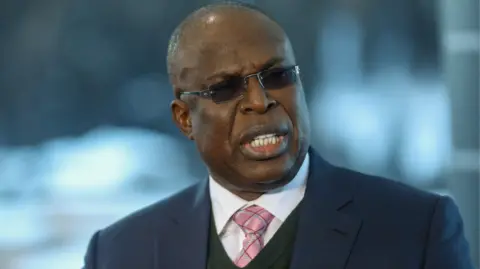
Religious leaders and faith-based organizations have expressed concern about how the alleged conspiracy exploited spiritual communities and trust. The use of prayer meetings and religious gatherings as cover for planning activities has prompted discussions within Nigeria's faith communities about security and vigilance. Religious organizations have begun implementing additional safeguards to prevent their institutions from being misused in similar ways.
The entertainment industry connection has prompted conversations within Nollywood about the responsibilities that come with public prominence. Industry leaders have acknowledged that individuals with platform and visibility could potentially become targets for recruitment into various schemes. The arrest within the entertainment sector has served as a stark reminder of how coup plotters attempted to recruit individuals from diverse backgrounds.
Court proceedings have revealed testimony from informants and witnesses who provided detailed accounts of planning meetings and discussions about the alleged plot. These accounts, documented in official legal records, have helped prosecutors build their case and understand the timeline of the conspiracy's development. The information gathered has also assisted investigators in identifying additional individuals who may have been involved or aware of the activities.
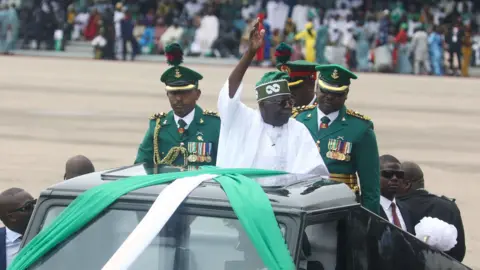
The investigation into this Nigerian coup attempt has demonstrated the importance of vigilant security agencies and inter-agency cooperation in identifying and disrupting potential threats to national stability. The work of investigators and law enforcement personnel, sometimes operating under dangerous circumstances, has been crucial in preventing what could have been a destabilizing event for the nation. Their efforts have provided crucial insights into how such conspiracies develop and operate.
Moving forward, the ongoing legal proceedings will continue to reveal additional details about the scope, financing, and organization of the alleged conspiracy. Court cases related to the coup plot are expected to extend over months or years as prosecutors present evidence and defendants mount their defenses. The outcomes of these legal proceedings will have significant implications for Nigerian law and national security policy.
Source: BBC News


