
Nighttime Attacks Plague Iran as Cities Grapple with Power Outages

Iranians in major cities are exhausted and unable to sleep after 10 days of relentless Israeli and US strikes, according to BBC reports. Residents describe the overwhelming distress caused by the ongoing attacks.
The streets of Tehran and Karaj have been rocked by a barrage of Israeli and US airstrikes over the past 10 days, leaving Iranians in a state of extreme duress. According to reports from the BBC, residents in these major cities are struggling to find any respite, plagued by sleepless nights and the constant fear of further attacks.
Exhaustion and Desperation
One Tehran resident, speaking to the BBC, expressed the overwhelming toll the attacks have taken, saying, "I just want to be able to sleep." The ceaseless bombardment has left many Iranians physically and mentally drained, unable to find any semblance of peace or normalcy in their daily lives.
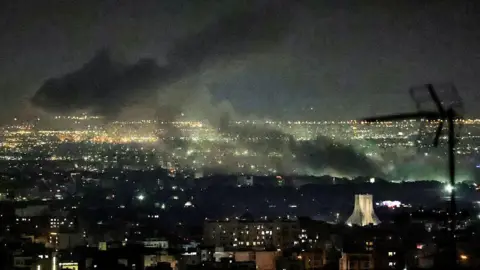
The situation has been exacerbated by widespread power outages across the country, further disrupting the lives of citizens. Karaj, a city just west of Tehran, has been particularly hard hit, with residents describing the frustration of navigating blackouts and the constant threat of violence.
Ongoing Tensions and Uncertainty
The current wave of attacks is the latest escalation in the longstanding tensions between Iran and its regional adversaries, as well as the United States. While the specific targets and objectives of the strikes remain unclear, the impact on the civilian population is undeniable.
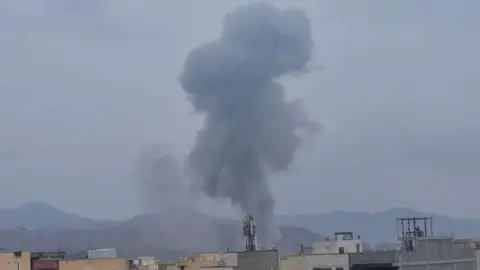
As the situation continues to unfold, Iranians are left to grapple with the overwhelming sense of uncertainty and the pressing need for a peaceful resolution. The relentless attacks have taken a significant toll on the mental and physical well-being of the people, leaving them yearning for a return to normalcy and a chance to finally get some much-needed rest.
International Response and Calls for De-escalation
The international community has condemned the attacks, calling for a de-escalation of tensions and a return to diplomatic negotiations. However, the path forward remains uncertain, as the warring parties continue to pursue their respective strategic objectives.
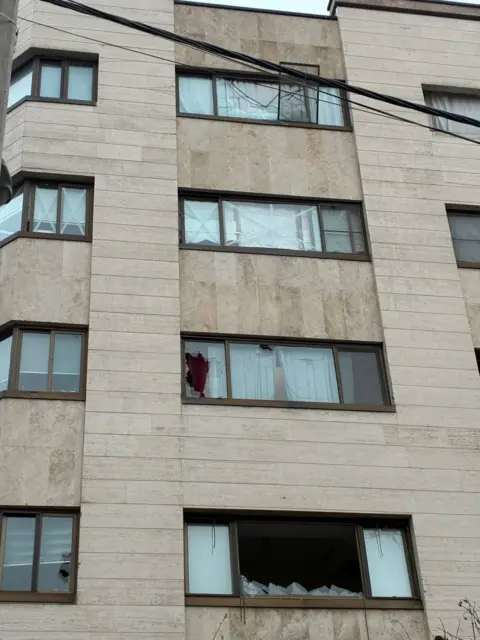
As the situation in Iran remains highly volatile, the plight of the people caught in the crossfire is a stark reminder of the human cost of ongoing geopolitical conflicts. The need for a peaceful resolution and the restoration of stability has never been more pressing.
Source: BBC News


