
Nissan Eyes Chinese Partner Cars at UK Factory

Nissan CEO confirms talks with Chery about building rival manufacturer cars at Sunderland plant. Explores options amid financial struggles.
Nissan's leadership has openly acknowledged exploring partnership opportunities that could see the Japanese automotive giant manufacturing vehicles for competing Chinese manufacturers at its sprawling Sunderland facility in the United Kingdom. This strategic consideration comes as the company navigates significant financial headwinds and seeks to maximize capacity utilization at one of Europe's most important automotive production centers.
Ivan Espinosa, the chief executive of Nissan Motor Company, made the landmark statement during the company's latest financial disclosure, revealing that discussions with China's Chery automobile manufacturer are actively underway. The revelation signals a fundamental shift in how traditional automakers are approaching manufacturing partnerships in an increasingly competitive global market. Rather than allowing excess factory capacity to remain idle, Nissan is considering contract manufacturing arrangements that would leverage its established production infrastructure to generate additional revenue streams.
The Sunderland plant, which stands as the UK's largest automotive manufacturing facility, currently employs approximately 6,000 workers and represents a critical economic anchor for the region. The facility has been a cornerstone of British automotive production for decades, producing hundreds of thousands of vehicles annually across multiple product lines. However, like many traditional manufacturers, Nissan has faced mounting pressure to restructure operations and explore new business models that can sustain long-term profitability.
Espinosa explicitly stated that Nissan was "looking at options" for the Sunderland facility during a period when the company has been grappling with substantial financial challenges. The timing of these discussions coincides with Nissan's announcement of steep financial losses for the fiscal year ending in March, underscoring the urgency of the company's turnaround efforts and its need to find innovative solutions for operational efficiency.

This strategic consideration reflects a broader trend across the European automotive industry, where established manufacturers are increasingly discussing partnership arrangements with Chinese automotive firms seeking to expand their international presence. Several other major European carmakers have already entered into preliminary discussions with Chinese manufacturers about sharing factory space and production capabilities. These partnerships represent a pragmatic response to shifting global demand patterns and the need to optimize manufacturing investments in an era of significant technological transition.
The potential collaboration with Chery specifically highlights the changing competitive landscape in the automotive sector. Chery, one of China's prominent independent automakers, has been aggressively pursuing international expansion and building brand recognition across global markets. A manufacturing partnership with Nissan would provide Chery with access to established production facilities and supply chain networks, while offering Nissan crucial additional revenue from contract manufacturing fees and improved factory utilization rates.
The discussions between Nissan and Chery represent more than simple business pragmatism; they signal fundamental restructuring within the global automotive industry. As traditional Western automakers face pressure from both emerging Chinese competitors and the transition to electric vehicles, they are increasingly willing to explore unconventional partnerships that might have seemed unthinkable just a few years ago. This evolution reflects the reality that manufacturing capacity is a valuable asset that should be leveraged across multiple manufacturers and product lines.
For the Sunderland facility specifically, such an arrangement could provide significant employment stability for the region's workforce. Rather than reducing headcount or curtailing production shifts, contract manufacturing for other brands could actually expand opportunities for the facility and its surrounding supply chain ecosystem. The plant's established expertise in quality manufacturing, logistics coordination, and workforce management makes it an attractive partner for international manufacturers seeking reliable production capabilities.
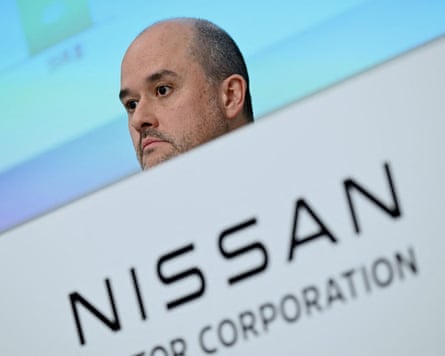
The financial performance that prompted this strategic reconsideration has been particularly challenging for Nissan in recent quarters. The company's reported losses for the fiscal year represent a stark contrast to the company's historical profitability and underscore the structural challenges facing traditional automotive manufacturers. Factors contributing to these losses include increased competition in key markets, the substantial investment required for electric vehicle development, supply chain disruptions, and shifting consumer preferences that favor newer entrants and emerging brands.
Beyond the Chery discussions, the broader context of automotive industry consolidation and partnership formation cannot be overlooked. Major European manufacturers have been in exploratory discussions with various Chinese automotive companies, recognizing that their traditional market dominance cannot be assured indefinitely. These conversations typically explore shared manufacturing arrangements, component supply partnerships, and joint venture possibilities that could help both parties navigate the industry's rapid transformation and escalating capital requirements.
The consideration of contract manufacturing for rival Chinese automakers at Sunderland also reflects practical realities of the post-pandemic manufacturing environment. Global supply chains have become more flexible and collaborative, with traditional competitors increasingly willing to work together on specific initiatives that benefit both parties. A manufacturing partnership with Chery would allow Nissan to maintain its workforce and facility operations while generating additional revenue that could be reinvested in research and development or facility improvements.
Looking forward, how this partnership exploration concludes will have significant implications not only for Nissan and its Sunderland operations but for the broader trajectory of the automotive industry. If successful, such arrangements could become increasingly common as manufacturers seek to optimize their global manufacturing footprint and respond to evolving market conditions. The arrangement would demonstrate how traditional competitive relationships are being reimagined in service of shared business objectives and long-term industry stability.
The Nissan situation also highlights the evolving role of UK automotive manufacturing in the global market. Despite broader challenges facing the sector, the country's facilities continue to represent valuable production assets with established quality standards and skilled workforces. Partnerships like the one being contemplated with Chery could help position UK automotive manufacturing as a hub for international production collaborations, rather than viewing such arrangements as threats to local operations.
Stakeholders in the UK automotive sector, including regional government bodies and industry associations, will likely view these developments with a mixture of pragmatism and concern. While contract manufacturing arrangements could sustain employment and facility operations, they also represent an acknowledgment that traditional exclusive manufacturing relationships may no longer be economically viable. The challenge for all parties will be ensuring that any partnership structure protects long-term employment prospects and maintains the facility's role as a center of automotive manufacturing excellence.
Source: The Guardian


