
Nissan Scraps Major US EV Factory Plans

Nissan abandons its ambitious plan to build a US electric vehicle manufacturing plant, shelving production targets of 200,000 EVs annually.
Nissan has made the significant decision to abandon its previously announced plans for constructing a major electric vehicle manufacturing facility in the United States, effectively shelving ambitious production targets that would have resulted in 200,000 electric vehicles rolling off assembly lines annually. This reversal marks a substantial shift in the automotive manufacturer's EV strategy for the North American market and raises important questions about the company's commitment to the electric vehicle transition.
The Nissan electric vehicle plant was intended to represent a major commitment to domestic EV manufacturing and would have created thousands of jobs across the United States. The facility was positioned as a cornerstone of Nissan's broader efforts to increase its presence in the rapidly expanding electric vehicle market, where competition has intensified dramatically over the past several years. By establishing domestic production capabilities, Nissan had hoped to strengthen its market position while reducing dependency on imports and supply chain vulnerabilities.
Industry analysts have attributed the decision to several interconnected factors, including shifting market conditions, evolving consumer demand patterns, and the challenging economics of establishing new EV manufacturing capacity in the United States. The automotive sector has witnessed considerable volatility regarding electric vehicle adoption rates, consumer preferences, and competitive pressures from established players like Tesla and emerging Chinese manufacturers gaining ground in the global market. Additionally, the substantial capital investment required for such a facility, coupled with ongoing uncertainty regarding regulatory incentives and subsidies, likely influenced Nissan's calculus.
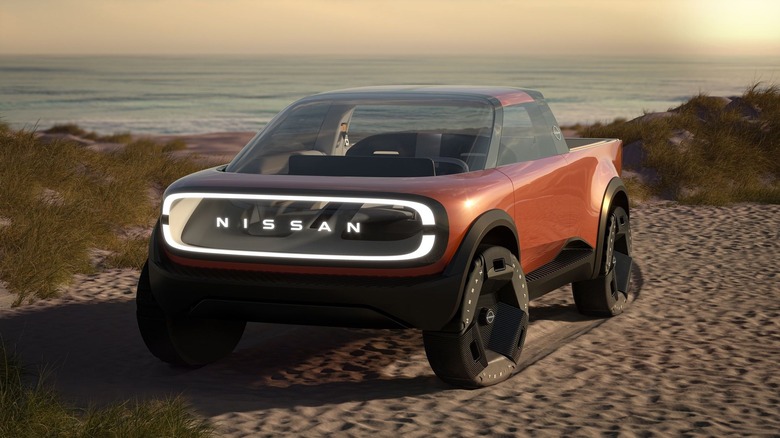
Nissan's retreat from this ambitious project underscores the broader challenges facing traditional automakers as they navigate the complex transition toward electric vehicle production. Many established manufacturers are grappling with the tension between their legacy internal combustion engine operations and their need to pivot toward electrification while managing substantial financial risks. The decision to cancel the US plant reflects the reality that expanding EV production capacity requires not merely technological innovation but also favorable market conditions and economic viability.
The 200,000 EV annual production target that Nissan had envisioned would have positioned the company more competitively within the North American EV market, which continues to expand despite recent fluctuations in growth rates. This capacity would have supplemented Nissan's existing electric vehicle lineup, which includes models such as the Leaf, historically one of the best-selling electric vehicles globally. However, the market landscape has shifted considerably, with new entrants and competitors accelerating their EV product offerings and aggressive expansion strategies.
The cancellation of the plant represents a notable setback for Nissan's North American operations and raises questions about how the company plans to compete in the increasingly crowded electric vehicle segment going forward. Without domestic manufacturing capacity, Nissan will likely continue relying on existing production facilities and potentially imported vehicles to meet demand, which could impact pricing competitiveness and supply chain resilience. This approach may prove challenging as other manufacturers establish stronger domestic production networks and leverage government incentives designed to encourage local manufacturing.
The decision comes at a particularly critical moment for the automotive industry, as governments worldwide implement increasingly stringent emissions regulations and push toward phasing out internal combustion engines. The United States government has made substantial investments in EV infrastructure and manufacturing incentives through various legislative packages aimed at promoting domestic electric vehicle production. By stepping back from its planned US facility, Nissan may be forgoing opportunities to access these incentives and subsidies that could have offset initial capital costs and improved long-term profitability.
Nissan's leadership has not provided exhaustive detail regarding alternative strategies for addressing American electric vehicle demand in the absence of a dedicated new manufacturing plant. The company may pursue options such as expanding existing facilities, increasing imports, or exploring partnerships and joint ventures with other manufacturers to achieve production goals. These alternatives may offer more flexibility and lower upfront capital requirements, though they could present different strategic tradeoffs regarding brand control, supply chain management, and long-term competitive positioning.
The abandonment of this project also reflects broader industry trends regarding the economics of EV manufacturing and the challenges of achieving profitability at scale. Battery costs, which represent a significant portion of total EV manufacturing expenses, have declined considerably but remain elevated relative to traditional automotive components. Additionally, competition on pricing has intensified as more manufacturers enter the market, potentially compressing margins and making the investment case for new manufacturing capacity less compelling from a financial perspective.
Stakeholders including workers, communities that had anticipated job creation from the facility, and industry observers have reacted with disappointment to Nissan's reversal of its previous commitment. The decision underscores the volatility and uncertainty that characterize the current automotive transition period, where major manufacturers frequently adjust their long-term strategic plans in response to shifting market conditions and competitive dynamics. This pattern of announcement followed by cancellation or significant modification has become increasingly common across the industry.
Moving forward, Nissan will need to articulate a clear and compelling vision for its North American EV strategy that demonstrates credible commitment to capturing market share in the electric vehicle segment. Whether through alternative manufacturing approaches, strategic partnerships, or accelerated product development using existing capacity, the company must convince investors, consumers, and policymakers that it remains a serious contender in the rapidly evolving electric vehicle market. The stakes are high, as the automotive industry's transition to electrification will determine competitive positioning and long-term viability for traditional manufacturers.
Source: Engadget


