
North Korea-Russia Bridge Nears Completion

Satellite images reveal a key infrastructure project linking North Korea and Russia, signaling deepening ties between Pyongyang and Moscow.
Recent satellite imagery has unveiled a significant development in the relationship between North Korea and Russia: a critical infrastructure project connecting the two nations is approaching completion. The bridge construction represents a tangible manifestation of the strengthening diplomatic and economic ties between Pyongyang and Moscow, two countries that have increasingly coordinated their geopolitical strategies in recent years.
The road crossing in question serves as a vital transportation link that would facilitate enhanced connectivity between the two neighboring countries. According to analysis of the satellite images, construction crews have made substantial progress on the project, with major structural components nearing their final stages. The completion of this infrastructure initiative would mark a symbolic and practical milestone in the evolving relationship between North Korea and Russia.
This development emerges during a period of intensifying cooperation between Pyongyang and Moscow across multiple sectors, including military, economic, and diplomatic spheres. The North Korea-Russia relations have notably warmed, particularly in light of international sanctions and geopolitical tensions affecting both nations. The construction of improved transportation infrastructure underscores their commitment to deepening bilateral engagement and facilitating trade and movement across their shared border.

The significance of this infrastructure project extends beyond mere physical connectivity. It demonstrates Moscow and Pyongyang's intention to establish more robust economic and logistical networks that could strengthen their mutual interests. Such developments often precede expanded trade arrangements and enhanced cooperation in various domains, potentially reshaping regional dynamics in Northeast Asia.
From a geopolitical perspective, the bridge completion would provide North Korea with an improved logistics corridor, potentially mitigating some effects of international economic isolation. For Russia, the connection offers opportunities to diversify its own transportation networks and expand its influence in the region. The project reflects broader strategic calculations by both nations as they navigate an increasingly multipolar international system.
International observers have closely monitored the diplomatic engagement between North Korea and Russia, noting that infrastructure projects of this nature typically accompany broader strategic partnerships. The timing of this construction aligns with reports of increased military and diplomatic coordination between the two countries, suggesting a comprehensive approach to strengthening their bilateral relationship.
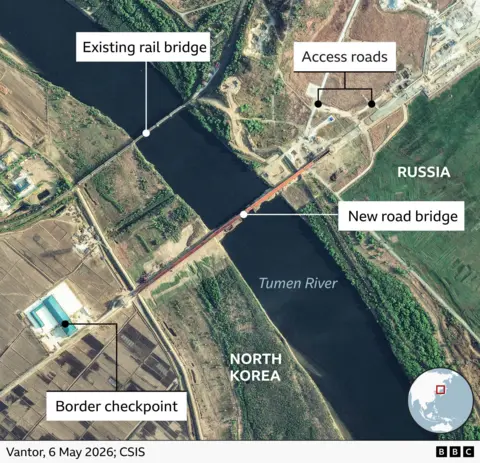
The completion timeline for the bridge remains uncertain, though satellite analysts indicate that major construction phases are well-advanced. Various weather conditions and logistical challenges have historically affected such projects in the region, though both nations appear committed to bringing the initiative to fruition within the foreseeable future. The progress documented in recent imagery suggests that workers have overcome significant technical hurdles during earlier phases of construction.
Economic implications of improved transportation links between North Korea and Russia could be substantial for both parties. Enhanced connectivity would facilitate increased trade volume, though such commerce remains constrained by international sanctions regimes targeting North Korea specifically. Nevertheless, the infrastructure investment signals long-term strategic intent and demonstrates confidence in the sustainability of their cooperative relationship regardless of external pressures.
The border infrastructure development also reflects broader trends in how isolated nations seek to maintain economic and strategic viability. By strengthening connections with trusted regional partners, North Korea attempts to create alternative pathways for commerce and engagement that circumvent international restrictions. Russia, similarly, benefits from deepened ties in Asia and expanded options for regional influence and trade diversification.
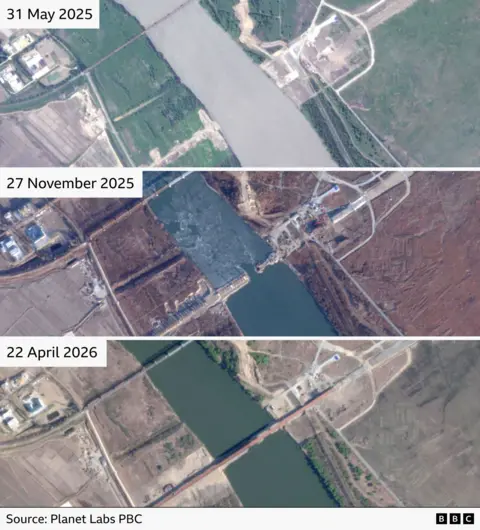
Military analysts have noted that improved transportation infrastructure often facilitates enhanced military cooperation as well. The bridge could potentially enable more efficient movement of military personnel, equipment, and supplies between the two nations' armed forces. This dimension of the project has drawn attention from strategic observers concerned with regional stability and military balance in Northeast Asia.
The satellite imagery analysis comes from commercial imagery providers who regularly monitor developments in the region. Their assessments suggest that construction quality remains consistent with international standards, despite the remote location and challenging environmental conditions. The presence of modern equipment and apparent adherence to engineering protocols indicate that both nations are investing substantial resources into ensuring the project's durability and functionality.
Looking forward, the bridge completion will likely serve as a catalyst for additional cooperation initiatives between North Korea and Russia. Both nations have indicated interest in expanding various forms of bilateral engagement, and improved physical connectivity provides the infrastructure foundation necessary for such expansion. Future developments may include enhanced trade agreements, coordinated diplomatic initiatives, and further military cooperation arrangements.
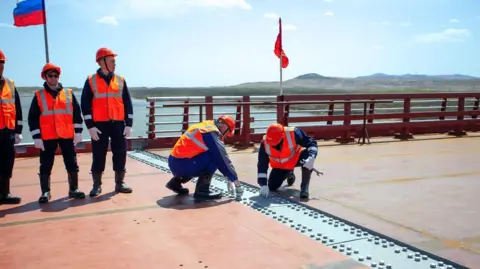
The international community watches these developments with varying degrees of concern and interest. Western nations view the strengthening North Korea-Russia nexus as potentially destabilizing, while other regional actors assess how closer bilateral ties might influence their own strategic calculations. The bridge project thus carries significance that transcends its function as mere transportation infrastructure, embodying broader patterns of realignment in international relations.
In conclusion, the nearly-completed bridge linking North Korea and Russia represents far more than a simple engineering achievement. It encapsulates the deepening strategic partnership between two nations seeking to navigate a complex international environment while maximizing their respective interests. As construction nears completion, observers across the geopolitical spectrum will continue monitoring how this infrastructure manifests in practical cooperation between Moscow and Pyongyang, and what implications it may hold for regional stability and international relations.
Source: BBC News


