
North Korean Football Team Plans Historic Visit

North Korea's national football team is set to make a rare trip to South Korea this month, marking a significant moment in inter-Korean sports diplomacy.
In a significant development for inter-Korean relations, a North Korean football team is preparing to make a rare and noteworthy visit to South Korea during the latter part of this month. This upcoming journey represents one of the few occasions when sports from the isolated nation have traveled across the heavily fortified border that divides the Korean Peninsula, underscoring the unique role that athletics can play in fostering dialogue between neighboring countries with deeply strained political ties.
The visit carries considerable symbolic importance, as direct interactions between North and South Korean sports organizations remain infrequent despite both nations sharing a common heritage and cultural background. Such exchanges have historically served as one of the more tangible avenues for peaceful engagement between Pyongyang and Seoul, offering opportunities for athletes and officials to interact in contexts that transcend the typical diplomatic and political tensions that characterize the broader relationship between the two countries.
The North Korean national football squad will be traveling southward to participate in planned activities that are expected to showcase the athletic prowess of both nations' programs. This sporting expedition comes at a time when international interest in North Korea remains high, particularly regarding any developments that might signal shifts in the country's typically isolationist policies or its willingness to engage in cross-border cultural exchanges.
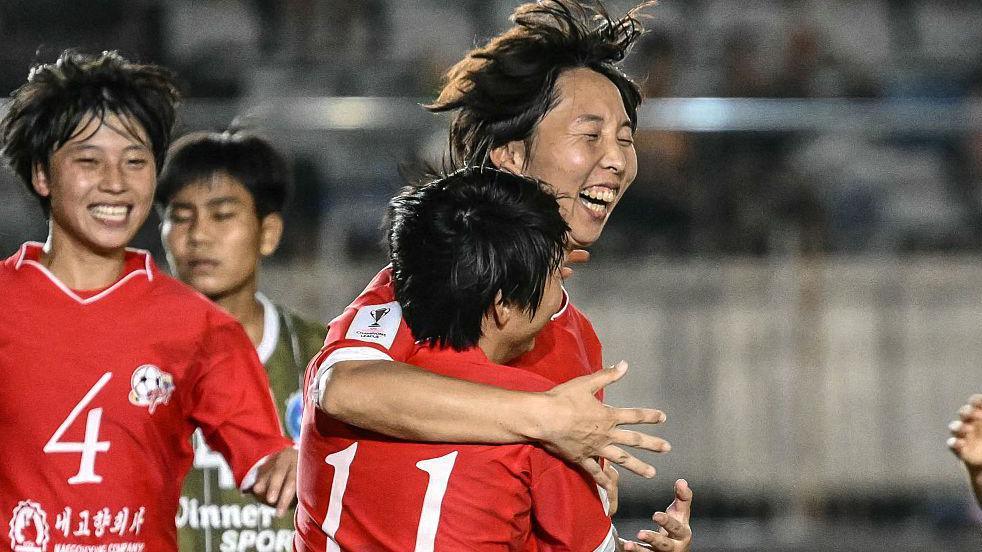
Sports diplomacy has long served as a critical tool in international relations, and the case of the Korean Peninsula exemplifies this principle particularly well. Throughout history, both North Korea sports and South Korean athletic organizations have occasionally used sporting events as platforms for broader dialogue and cultural exchange, even when official government relations have been contentious or unstable. The football visit represents this tradition continuing in contemporary times, suggesting that despite the significant geopolitical challenges facing the region, both countries recognize the value of maintaining certain channels of communication and interaction.
The upcoming visit also reflects broader trends in how international organizations and sporting bodies have encouraged participation from North Korea. While the hermit kingdom maintains strict control over most international interactions, its involvement in global sports competitions and exchanges has been a notable exception, with the country maintaining memberships in major sporting organizations and periodically sending delegations to international events.
This particular journey by the North Korean football delegation is expected to generate considerable media attention and scrutiny from observers of Korean Peninsula affairs. International observers, political analysts, and sports enthusiasts will be watching closely to assess any potential implications the visit might carry for broader inter-Korean relations, particularly given the historically tense nature of interactions between the two governments and the infrequency of such exchanges.

The logistics of organizing such a visit involve multiple layers of complexity and coordination between numerous governmental and non-governmental entities. Travel across the Korean border, whether for sports or any other purpose, requires extensive planning and approval from both nations' relevant authorities, including immigration officials, sports governing bodies, and security personnel. The successful arrangement of this football team's visit therefore represents the culmination of careful negotiation and cooperation between various stakeholders on both sides of the border.
Football, known as soccer in some parts of the world, holds particular significance in both Korean societies and serves as a sport that commands passionate followings among the populations on either side of the demilitarized zone. The inter-Korean sports exchange through football competitions and team visits can therefore resonate deeply with ordinary citizens in both nations, potentially fostering greater understanding and reduced tensions at the grassroots level, even when official diplomatic relations remain constrained.
The visit is scheduled to occur during a period that may be strategically significant for both nations' administrations, as sports exchanges can sometimes coincide with broader diplomatic initiatives or efforts to reduce tensions on the peninsula. Observers will likely scrutinize the timing and context of this football team's journey to determine whether it represents an isolated sporting event or potentially signals broader shifts in inter-Korean policy trajectories.
The implications of this North Korea visit to South Korea extend beyond the realm of athletic competition, touching upon questions of cultural exchange, international relations, and the role that sports can play in building bridges between nations with complex and often troubled histories. As the world watches this rare instance of direct Korean cross-border engagement unfold, many will be considering what messages this sporting exchange might convey and whether it could contribute to longer-term improvements in the relationship between these two nations.
From a sporting perspective, the visit offers an opportunity for fans and analysts in both countries to observe and evaluate the current capabilities and development of football programs on the opposite side of the border. Such exposure can provide valuable comparative insights into training methodologies, tactical approaches, and the overall quality of play being developed in each nation's football infrastructure.
The arrival of the North Korean football team in South Korea represents more than just a sporting event; it embodies the delicate and ongoing dance of inter-Korean relations, where even seemingly simple cultural and athletic exchanges carry layers of political significance and symbolic importance. As this historic visit unfolds, both nations' citizens and the international community will be watching to see what this rare moment of sporting cooperation might mean for the future trajectory of relations on the Korean Peninsula.
Source: BBC News


