
North Korean Team Breaks 8-Year Seoul Visit Drought

Naegohyang FC arrives in South Korea for AFC Women's Champions League semi-final, marking first visit by North Korean athletes in eight years.
In a historic moment for inter-Korean sporting relations, a North Korean women's football club has crossed the border into South Korea for the first time in nearly a decade. Naegohyang FC's arrival represents a significant thaw in tensions between the two nations and demonstrates the unifying power of sports in bridging political divides. The delegation touched down on Sunday, setting the stage for a momentous AFC Women's Champions League semi-final encounter scheduled for Wednesday in Suwon.
The visiting party consists of 27 players and 12 coaching staff members, all of whom traveled under extraordinary circumstances given the isolation of their home nation. This journey marks an unprecedented opportunity for North Korean athletes to compete on South Korean soil at the highest levels of women's football. The AFC Women's Champions League represents one of Asia's most prestigious club football competitions, and the presence of a North Korean team underscores the tournament's ability to transcend geopolitical boundaries and create platforms for dialogue through athletic competition.
The match pitting Naegohyang FC against Suwon FC Women will take place in Suwon, a city located in Gyeonggi Province, just south of the demilitarized zone. This venue carries symbolic weight as it sits relatively close to the border that has divided the Korean peninsula since the armistice agreement of 1953. The semi-final encounter represents more than just a sporting contest; it embodies the potential for peaceful engagement and mutual respect between neighboring nations with a complicated history.
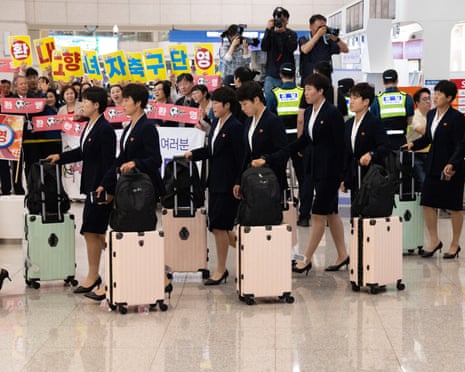
The last time North Korean athletes competed in South Korea was in 2018, during the Winter Olympics in PyeongChang. That event similarly captured global attention for its diplomatic implications, as the two nations marched together during the opening ceremony and fielded joint teams in select events. The eight-year gap that followed reflects the volatile nature of inter-Korean relations, marked by nuclear tensions, sanctions, and periods of heightened military rhetoric. Naegohyang FC's arrival therefore signals a potential shift in this trajectory, at least within the realm of sports diplomacy.
The AFC Women's Champions League semi-final will serve as a compelling stage for both squads to demonstrate their technical prowess and competitive spirit. Suwon FC Women, representing South Korea, enters the match as the host nation's representative and will undoubtedly benefit from home-field advantage and crowd support. However, the North Korean side's willingness to participate in this high-stakes competition speaks to their commitment to women's football development and their desire to engage in meaningful international competition despite the economic and political challenges facing their nation.
From a broader perspective, this sporting exchange carries implications that extend well beyond the final whistle. Sports diplomacy has long served as a tool for nations to establish dialogue channels and build understanding outside traditional political negotiations. The presence of North Korean athletes in South Korea creates opportunities for casual interactions, cultural exchange, and personal connections that might help humanize each side to the other. Media coverage of the match will also expose both Korean populations to images and narratives of peaceful cooperation, potentially influencing public sentiment toward inter-Korean relations.
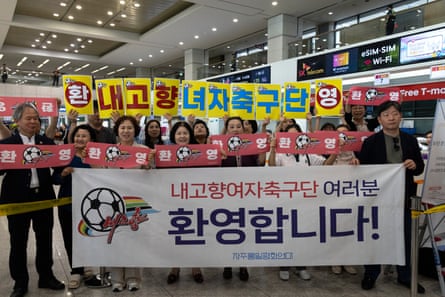
The AFC Women's Champions League itself has grown considerably in profile and competitiveness over recent years, attracting talented players from across the Asian continent. The participation of a North Korean club elevates the tournament's significance as a pan-Asian event that transcends political boundaries. The organizational logistics of hosting a North Korean delegation in South Korea required careful coordination between sports authorities, government officials, and international governing bodies. Security measures, visa arrangements, and travel accommodations had to be meticulously planned to ensure the safe passage and successful participation of the North Korean contingent.
The semi-final match will be closely watched not only by passionate football fans but also by political analysts and diplomacy observers. Every gesture, every interaction, and every moment of sportsmanship will be scrutinized for its potential significance in inter-Korean relations. The presence of spectators at the match venue creates an opportunity for South Korean fans to witness North Korean athletes in person, an experience that many would never have otherwise. Such direct exposure to ordinary people from the isolated state can help break down psychological barriers and foster empathy across the divide.
For Naegohyang FC, the journey to South Korea represents a monumental undertaking for a club operating within North Korea's limited sporting infrastructure. The club's participation in international competition reflects the growing emphasis placed by Pyongyang on women's sports as a means of national pride and international engagement. The team's arrival and subsequent performance could have implications for future sporting exchanges and the potential for expanded athletic cooperation between the two nations, especially in women's football where both countries have invested in development programs.
The historical significance of this visit cannot be overstated. In an era marked by heightened tensions and military posturing on the Korean peninsula, moments of peaceful cooperation rooted in shared passion for sport offer glimmers of hope. The fact that women's football serves as the vehicle for this breakthrough is particularly noteworthy, as it highlights the role that women's sports can play in peacebuilding and diplomatic engagement. The athletes themselves become ambassadors, carrying messages of goodwill and mutual respect through their participation in competition.
As Wednesday's match approaches, anticipation builds not only for an exciting semi-final encounter but also for what this moment means for the broader trajectory of inter-Korean relations. Whether this visit catalyzes further sporting exchanges or serves as an isolated incident will depend on decisions made by political leaders and sports authorities on both sides. Regardless, the arrival of Naegohyang FC in Seoul represents a tangible example of barriers being torn down through the universal language of sport, even if only temporarily, reminding the world that peaceful engagement remains possible even in the most challenging circumstances.


