
Northern Ireland Rates Bills Debt Soars to £1M

Advice NI reports unprecedented £1 million in domestic rates debts handled by its service, highlighting growing financial pressures on Northern Irish households.
Domestic rates bills debt in Northern Ireland has reached a critical milestone, with Advice NI reporting that its specialized debt advice service handled more than £1 million in total rates debts for the first time in its operational history. This significant figure underscores the escalating financial challenges facing households across the region and reflects broader economic pressures affecting homeowners and tenants alike. The unprecedented volume of rates debt cases processed by the organization paints a concerning picture of residential property tax obligations becoming increasingly difficult to manage for many Northern Irish families.
The rates bill system in Northern Ireland operates differently from council tax arrangements in other parts of the United Kingdom, creating a unique set of circumstances for residents attempting to meet their obligations. These property taxes fund essential local services including waste collection, street cleaning, leisure facilities, and emergency response services, making them a critical component of municipal infrastructure funding. When domestic rates payments fall into arrears, residents face accumulating penalties, potential legal action, and ultimately the risk of losing their homes through enforcement proceedings initiated by local councils.
Advice NI's comprehensive data collection provides crucial insights into the financial vulnerabilities affecting Northern Ireland's residential population. The organization operates as a network of independent advice centers throughout the region, offering free debt counseling, budgeting assistance, and representation services to individuals facing financial hardship. As a leading charitable organization dedicated to combating financial exclusion and poverty, Advice NI monitors economic trends through its extensive caseload, making their annual statistics a reliable barometer of regional economic health and household financial stability.
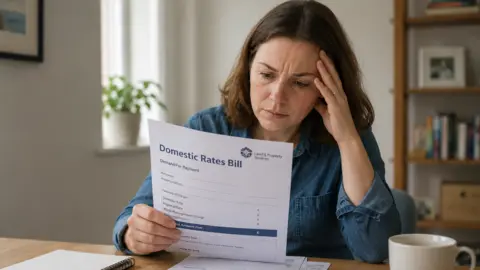
The £1 million threshold in rates debt represents not merely a statistical milestone but a tangible manifestation of the economic pressures mounting on Northern Irish households. Multiple contributing factors have converged to create this situation, including stagnant wages in certain sectors, rising inflation affecting essential household costs, and increased unemployment in various communities. The cost of living crisis that has gripped the United Kingdom has been particularly acute in Northern Ireland, where regional wage levels frequently lag behind those in other parts of the country, while essential expenses such as heating costs remain comparatively high due to climate and infrastructure factors.
The implications of this debt accumulation extend far beyond individual financial circumstances, affecting the broader health of Northern Ireland's communities and local government finances. When households fall behind on rates payments, local councils struggle to fund critical public services, creating a cascading effect that impacts service delivery, infrastructure maintenance, and community development programs. Additionally, the debt collection process itself imposes significant emotional and social costs on affected families, contributing to increased stress, health problems, and social isolation among vulnerable populations.
Advice NI's case workers report increasing complexity in the situations facing clients seeking assistance with rates debt management. Many individuals are juggling multiple financial obligations simultaneously, including mortgage or rental payments, utility bills, credit card debts, and essential household expenses, leaving little room in their budgets for property tax obligations. Some households have experienced unexpected income reductions due to employment changes, illness, or family circumstances, making previously manageable debt suddenly unmanageable. Others lack awareness of payment arrangements and support schemes available to help them manage their obligations more effectively.

The organization has identified several critical intervention points where targeted support could prevent rates debts from accumulating to crisis levels. Early engagement with residents who miss their first payment, proactive information about available support schemes, and simplified payment arrangements can dramatically improve collection rates while maintaining household financial stability. Advice NI continues to advocate for policy reforms that would expand access to rate relief schemes, simplify the appeals process for disputed assessments, and establish clearer pathways for residents to avoid enforcement action when facing temporary hardship.
Northern Ireland's rates debt situation requires coordinated responses from multiple stakeholders, including local government, central policy makers, community organizations, and financial institutions. The Department for Communities has responsibility for setting policy frameworks governing rate relief, while individual councils manage collection and enforcement within those parameters. Community-based organizations like Advice NI provide essential frontline support, helping residents understand their rights, explore available remedies, and develop sustainable repayment plans that prevent homelessness and allow families to maintain stable housing.
The achievement of the £1 million milestone in handled rates debt cases demonstrates both the capacity of Advice NI's service infrastructure and the scale of the underlying problem. The organization's debt advisors work with clients to understand their financial situations comprehensively, identify sources of income support and debt relief that may be available, and negotiate directly with creditors and councils to establish sustainable arrangements. This person-centered approach has proven effective in preventing homelessness, reducing repeat debt crises, and helping families regain financial stability and dignity.
Future challenges to addressing Northern Ireland's rates debt crisis include the need for sustained funding of advice services, continuous policy adaptation to changing economic circumstances, and enhanced coordination between government agencies and community organizations. As economic pressures persist and potentially intensify, demand for debt advice services will likely continue growing, requiring additional resources and enhanced service capacity. Strategic investment in prevention-focused interventions, including financial capability programs and early intervention services, could potentially reduce future debt accumulation and help households build resilience against economic shocks.
The £1 million figure reported by Advice NI represents only the cases that came to their attention, suggesting the true scale of rates debt problems in Northern Ireland may be substantially larger. Many households struggling with these obligations never contact advice agencies, instead enduring silent financial stress or facing enforcement action without professional support. This hidden debt burden may affect considerably more than the caseload figures suggest, indicating that policy responses must account for both documented and undocumented financial distress affecting the Northern Irish population.
Moving forward, Advice NI and related organizations will continue monitoring rates debt trends, documenting emerging patterns in household financial difficulties, and advocating for policy reforms based on evidence gathered from their extensive client interactions. The achievement of the £1 million rates debt milestone should serve as a wake-up call for policymakers, prompting urgent examination of whether current support systems adequately protect vulnerable households. Sustainable solutions will require commitment to both immediate crisis response and longer-term structural reforms that address the fundamental economic imbalances driving accumulating domestic debt across Northern Ireland's communities.
Source: BBC News

