
Norway Under Fire for Reopening North Sea Gas Fields

Norwegian government faces criticism for approving three North Sea gas field reopenings and 70 new exploration areas amid Middle East tensions.
The Norwegian government has faced intense backlash and widespread condemnation from environmental advocates and climate experts following its controversial decision to approve the reopening of three North Sea gas fields that had remained dormant for nearly three decades. The move comes at a time of heightened geopolitical tensions in the Middle East, where escalating conflict has disrupted traditional energy supply chains and triggered dramatic increases in global oil and gas prices. Energy analysts suggest that Norway's government views the current market conditions and supply concerns as an opportune moment to reactivate these previously shuttered operations.
In addition to reopening the dormant fields, Norwegian authorities have granted approval for oil and gas exploration across an expansive portfolio of 70 new locations spanning multiple maritime zones. These areas encompass some of Norway's most strategically important waters, including the challenging depths of the North Sea, the resource-rich Barents Sea, and the Norwegian Sea. This comprehensive expansion represents a significant shift in Norway's energy policy and signals the government's commitment to maximizing domestic hydrocarbon production in response to global market dynamics and energy security concerns.
The timing of these decisions is particularly significant given recent geopolitical events. Following the US and Israel's military action targeting Iran in February, crude oil and natural gas prices have experienced sharp increases across international markets. Proponents of the government's decision argue that increasing domestic production capacity is essential to stabilizing energy supplies and helping mitigate price volatility that affects consumers and businesses throughout Europe. However, this rationale has failed to convince critics who view the expansion as fundamentally misaligned with climate commitments.

Environmental organizations and climate activists have launched scathing critiques of the Norwegian government's position, with many characterizing the decision as energy policy madness and accusing officials of engaging in strategic greenwashing. These critics point out the apparent contradiction between Norway's international climate commitments and its domestic actions to expand fossil fuel extraction. The government has long positioned itself as a climate leader on the world stage, but these latest approvals suggest a significant disconnect between public statements about climate responsibility and actual policy implementation.
The accusations of greenwashing are particularly pointed given Norway's carefully cultivated image as a progressive nation committed to renewable energy and climate action. International observers note that while Norway has invested heavily in electric vehicle adoption and renewable technologies domestically, its foreign policy and energy exports continue to prioritize fossil fuel production. This apparent hypocrisy undermines Norway's credibility in global climate negotiations and raises questions about the authenticity of its environmental commitments.
Industry representatives and government officials counter that domestic gas production actually serves climate interests by providing a more reliable and cleaner energy source compared to alternatives. They argue that increased Norwegian output could reduce Europe's dependence on less environmentally regulated suppliers and provide stable energy supplies that support economic development. Additionally, supporters contend that the revenues generated from expanded oil and gas operations fund Norway's sovereign wealth fund, which has invested heavily in global renewable energy projects and sustainable technologies.
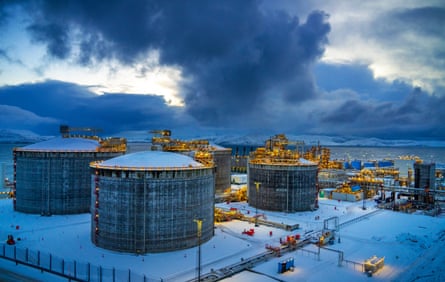
The broader context of these decisions reveals tensions within Norway's energy strategy that have intensified in recent months. As European nations grapple with energy security concerns and price volatility, pressure has mounted on major producers like Norway to increase output. The government's approval of North Sea exploration reflects this reality, even as it generates significant controversy among environmental constituencies and younger generations concerned about climate futures. Policy makers in Oslo appear to be balancing competing priorities: immediate energy security needs against longer-term climate objectives.
The reopening of fields that had been closed for nearly 30 years represents a particularly contentious aspect of the government's decision. Environmental groups questioned why Norway would reverse earlier decisions to retire aging infrastructure and transition away from fossil fuel dependency. The fact that these fields had successfully remained offline for decades suggests they were not essential to meeting current energy demands, making their reopening appear as a purely profit-driven move rather than a necessity-based response to genuine supply emergencies.
Economic forecasts suggest that increased North Sea production could significantly boost Norway's already substantial oil and gas revenues, particularly given current market prices. This financial incentive may explain why the government has moved forward despite mounting environmental opposition and international criticism. The sovereign wealth fund that accumulates these revenues has become one of the world's largest investment vehicles, giving Norway outsized influence in global capital markets and demonstrating the economic stakes involved in maintaining hydrocarbon production.
The decision also reflects broader European energy politics, where multiple nations are reassessing their energy strategies amid geopolitical uncertainty. While some European countries have accelerated transitions toward renewable energy, others have opted to maintain or expand fossil fuel production. Norway's move to increase exploration and reopen dormant fields puts it in the latter category, signaling that short-term energy security concerns are outweighing climate considerations in current policy decisions.
International climate advocates have expressed frustration with the Norwegian government's choices, particularly given the nation's status as a wealthy developed country with the resources to pursue alternative energy strategies. Critics argue that if wealthy, technologically advanced nations like Norway cannot prioritize climate action, there is little hope of achieving the global cooperation necessary to address climate change at scale. The Norwegian decision thus carries symbolic significance beyond its immediate impact on energy markets, representing a potential setback in the international climate movement.
The controversy surrounding these gas field reopenings has intensified existing debates within Norwegian society about the nation's energy future and environmental responsibilities. Political parties and civil society organizations continue to clash over whether expanding fossil fuel production serves the national interest or undermines Norway's standing as a climate leader. These internal disagreements are likely to persist as the government moves forward with implementing its expanded exploration and production plans across Norway's maritime zones.
Looking ahead, the implications of Norway's decision will reverberate through European energy markets and international climate discussions for years to come. If the reopened fields and newly explored areas yield significant commercial production, Europe's energy markets could see additional supply capacity that affects pricing and geopolitical dynamics. However, the expansion also sets a precedent that may embolden other nations to reconsider climate commitments when faced with energy market pressures, potentially undermining the collective action necessary for meaningful climate progress.
Source: The Guardian


