
NSW Premier Defies Court Ruling, Stands by 'Rational' Anti-Protest Law

Despite a ruling that the law is unconstitutional, NSW Premier Chris Minns has doubled down, defending the legislation as 'rational and proportionate'.
New South Wales Premier Chris Minns has defiantly stood by the state's controversial anti-protest law, despite the law being struck down as unconstitutional by the state's highest court last week. In a move that has drawn criticism from Greens advocates, Minns has defended the legislation as 'rational and proportionate', even as protesters charged under the laws have lambasted the Premier's 'extraordinary attack' on the judiciary.
The law in question, introduced by Minns' government, aimed to restrict certain protest activities by requiring organizers to provide advance notice and obtain permits. However, the NSW Court of Appeal ruled that the law was unconstitutional, finding that it unjustifiably infringed on the implied freedom of political communication.
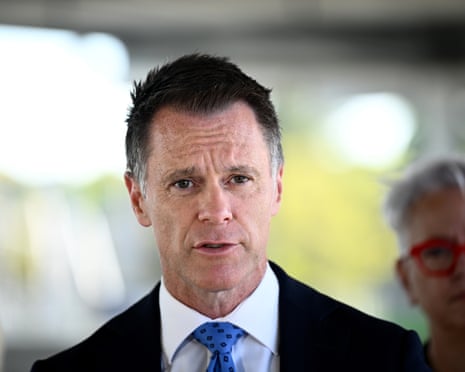
Despite the court's clear ruling, Minns has doubled down on his support for the law, arguing that it was a 'rational' and 'proportionate' response to the challenges posed by disruptive protests. The Premier contends that the legislation struck a fair balance between the right to protest and the need to maintain public order and safety.
However, Greens politicians and civil liberties advocates have roundly criticized Minns' stance, accusing him of launching an 'extraordinary attack' on the judiciary. They argue that the Premier should accept the court's decision and acknowledge that his government 'got it wrong' in enacting the controversial law.
The debate over the anti-protest law highlights the ongoing tensions between the right to free expression and the government's desire to maintain public order. While Minns believes the legislation was a reasonable measure, the court's ruling suggests that it went too far in restricting the fundamental democratic freedoms of Australians.
As the fallout from this ruling continues, the New South Wales government and the broader public will likely engage in a deeper discussion about the appropriate balance between the right to protest and the need for public safety. The Premier's unwavering defense of the law, despite the court's clear decision, may further inflame tensions and raise questions about his government's commitment to upholding the rule of law.
Source: The Guardian


