
Nuro Gets Green Light for Driverless Uber Robotaxis

Nuro and Uber receive approval to test fully autonomous robotaxis on California roads this year, marking a major milestone for driverless vehicle deployment.
Nuro and Uber have received regulatory approval to begin testing fully autonomous robotaxis on California roads, representing a significant advancement in the development of driverless vehicle technology. The partnership between the two companies marks an important step toward deploying autonomous ride-sharing services in one of the nation's most progressive states for transportation innovation. This approval comes as both companies continue to invest heavily in self-driving taxi technology and demonstrate their commitment to transforming urban mobility.
The testing initiative is expected to commence later this year, with both companies working together to ensure that driverless robotaxis meet all necessary safety and operational requirements. Nuro, a company specializing in autonomous vehicle development, has been building expertise in self-driving systems for several years. Uber, which previously scaled back its autonomous vehicle program, is now partnering with established players like Nuro to bring robotaxi services to consumers without having to maintain its own autonomous fleet development operation.
California has emerged as a hub for autonomous vehicle testing due to its regulatory framework and supportive environment for technological innovation. The state's Department of Motor Vehicles has established clear guidelines for companies seeking to operate autonomous vehicles on public roads, and this approval demonstrates that Nuro's technology meets those stringent standards. The company has invested considerable resources into developing sophisticated sensors, computer vision systems, and decision-making algorithms that enable vehicles to navigate complex urban environments safely.
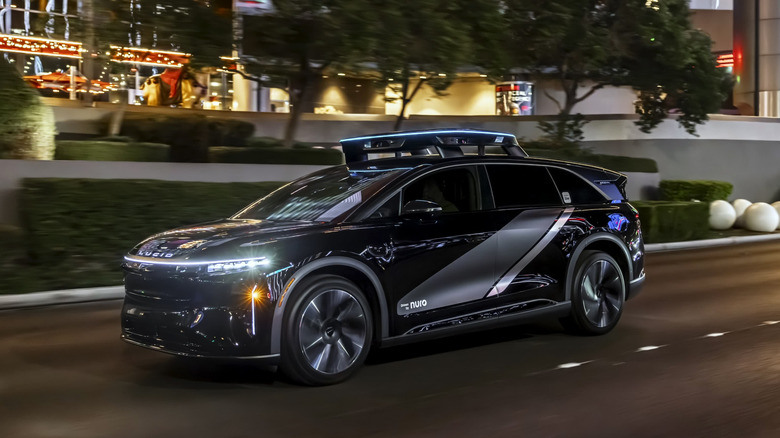
The partnership between Nuro and Uber represents a strategic convergence of two companies with complementary strengths. While Nuro brings technical expertise in autonomous driving systems and vehicle design, Uber contributes its extensive network of drivers, customer base, and experience operating ride-sharing services at scale. This collaboration allows both companies to leverage each other's strengths while reducing the individual risk associated with bringing driverless taxi services to market. The combination of Nuro's robotaxi hardware and Uber's platform infrastructure creates a compelling offering for consumers interested in autonomous transportation.
Safety considerations remain paramount throughout the testing process. Both Nuro and Uber have committed to implementing comprehensive safety protocols, including vehicle monitoring systems, real-time communication with remote operators, and incident reporting procedures. The vehicles will be equipped with advanced sensors including LiDAR, radar, and high-resolution cameras that provide 360-degree awareness of the surrounding environment. These systems work together to detect pedestrians, cyclists, vehicles, and other obstacles in real-time, enabling the autonomous vehicles to make safe decisions in complex driving scenarios.
The regulatory approval process involved extensive evaluation of Nuro's autonomous vehicle systems and operational procedures. California's Department of Motor Vehicles conducted thorough testing and verification to ensure that the vehicles could safely operate on public roads without human intervention. This approval validates the significant engineering work that Nuro has undertaken to develop reliable and safe autonomous driving technology. The rigorous approval standards demonstrate that regulators are taking a cautious, evidence-based approach to deploying autonomous vehicles while still allowing for innovation and technological progress.
The timing of this approval reflects growing confidence in autonomous vehicle technology across the automotive and technology industries. Over the past several years, companies like Tesla, Waymo, and Cruise have made significant progress in developing self-driving capabilities, and consumer interest in autonomous ride-sharing services continues to grow. The approval of Nuro's robotaxis with Uber demonstrates that autonomous vehicle development has reached a maturity level where real-world testing on public roads is now feasible and safer than ever before. This milestone represents a turning point in the commercialization of autonomous transportation technology.
Industry analysts expect that successful testing of Nuro's robotaxis in California could accelerate adoption of autonomous ride-sharing services in other states. If the pilot program demonstrates strong safety records and customer satisfaction, other jurisdictions may follow California's lead in permitting autonomous vehicle operations. This could create a cascade effect, with multiple cities and states adopting autonomous ride-sharing services within the next several years. The California approval thus serves as a bellwether for the broader autonomous vehicle industry.
The economic implications of successful autonomous robotaxi deployment are substantial. Ride-sharing services could potentially become more affordable for consumers as labor costs associated with human drivers are eliminated. Robotaxi services could also improve transportation efficiency by optimizing routes and reducing congestion in urban areas. Additionally, autonomous vehicles may enhance safety by reducing accidents caused by human error, which accounts for a significant percentage of traffic incidents in urban environments.
Nuro's robotaxis will need to navigate diverse traffic conditions and scenarios throughout California's varied urban and suburban environments. The testing phase will provide valuable data about how the autonomous systems perform in different weather conditions, traffic densities, and road configurations. Both companies are committed to gathering comprehensive performance metrics and safety data during the testing period. This information will be crucial for refining the technology and demonstrating its readiness for broader commercial deployment to regulators and the public.
Consumer acceptance of autonomous ride-sharing services represents another important factor in the success of this initiative. While many people express enthusiasm about autonomous vehicles, others harbor concerns about safety, reliability, and job displacement for human drivers. The testing program will provide an opportunity to gather consumer feedback and address concerns through transparent communication about safety features and operational procedures. Building public trust in autonomous vehicle technology is essential for achieving widespread adoption and long-term commercial success.
The approval of Nuro's driverless robotaxis for testing on California roads marks a significant milestone in the evolution of urban transportation. As autonomous vehicle technology continues to mature and gain regulatory approval, we can expect to see increasing deployment of driverless ride-sharing services in major metropolitan areas. The partnership between Nuro and Uber demonstrates how collaboration between specialized autonomous vehicle developers and established ride-sharing platforms can accelerate innovation and bring transformative transportation solutions to consumers. This testing initiative represents an important step toward realizing the potential of autonomous vehicles to reshape how people move around cities.
Source: Engadget


