
Nvidia Upgrades Mobile RTX 5070 to 12GB RAM

Nvidia quietly boosts the laptop RTX 5070 from 8GB to 12GB GDDR7 memory. Here's what the upgrade means for gamers and AI developers.
The GPU market has long struggled with a critical constraint that affects both casual gamers and artificial intelligence enthusiasts alike: insufficient video memory. Whether you're attempting to play the latest AAA blockbuster titles with maximum graphical fidelity at high resolutions or running complex machine learning models on your local system, 8GB of video RAM has become increasingly insufficient in 2024. This memory limitation represents a genuine performance bottleneck that impacts the user experience across multiple demanding applications and workflows.
The semiconductor industry has faced significant challenges in addressing this issue, primarily due to persistent memory shortages and volatile pricing in the VRAM market. These supply chain constraints have made it economically difficult for GPU manufacturers to justify rolling out memory upgrades, particularly in the competitive mid-tier segment where cost-consciousness remains paramount. Earlier in the year, industry reports suggested that Nvidia's RTX 50-series Super refresh might be delayed or shelved entirely, with memory procurement costs cited as a contributing factor to the company's apparent hesitation in moving forward with planned upgrades.
Despite these market headwinds, Nvidia has quietly announced a significant memory upgrade for one of its graphics processors. The disclosure came almost inconspicuously in a technical blog post focused on routine driver updates, rather than through an official press release or dedicated announcement. This low-key approach stands in stark contrast to typical product announcements and may reflect the company's own awareness of the premium pricing considerations involved in the upgrade.
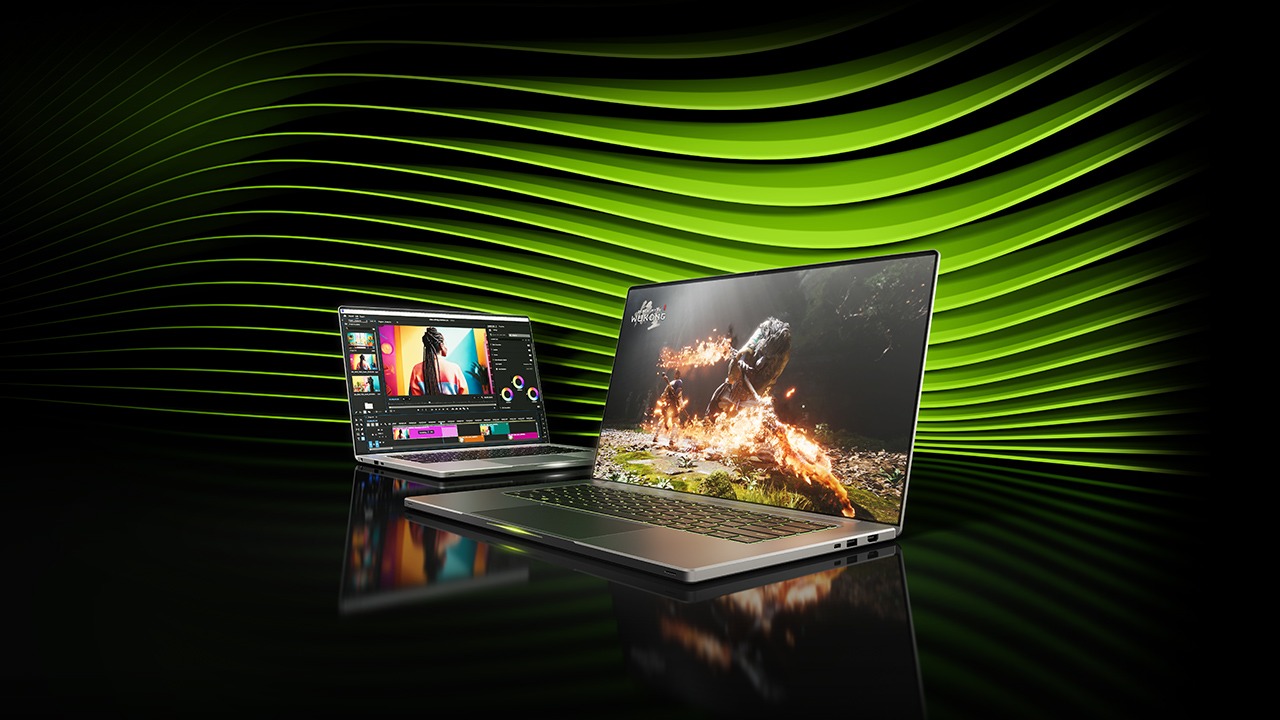
The RTX 5070 mobile GPU is receiving a memory expansion from 8GB to 12GB of GDDR7 memory, representing a substantial 50 percent increase in available video RAM. This upgrade should meaningfully reduce performance bottlenecks in memory-intensive tasks and provide better forward compatibility with emerging applications and AI models that demand higher memory bandwidth. For laptop users working with demanding professional applications or modern gaming titles, this memory expansion addresses a long-standing pain point that has constrained performance in recent years.
Beyond the memory upgrade, the 12GB mobile RTX 5070 maintains identical specifications to its 8GB predecessor in all other respects. The memory architecture still utilizes a 128-bit memory interface that connects the GDDR7 modules to the GPU core, and the processor retains its full complement of 4,608 CUDA cores. This consistency in the underlying architecture ensures that developers and users familiar with the original configuration will experience no surprises in terms of software compatibility or driver support requirements.
The mobile variant of the RTX 5070 employs the same GB206 silicon die as the desktop RTX 5060, rather than the larger and more feature-rich GB205 die found in the desktop RTX 5070. This architectural distinction means the mobile version has always traded some performance potential for improved power efficiency and thermal characteristics suitable for laptop deployment. The memory upgrade doesn't change this fundamental design choice, but it does help narrow the functional gap between the mobile and desktop variants in memory-constrained scenarios.

The timing of this upgrade reflects broader industry trends and the evolving demands of modern computing workloads. Gaming performance requirements have escalated considerably as game developers leverage advanced rendering techniques, higher resolution textures, and more sophisticated AI-driven game worlds. Simultaneously, the artificial intelligence community has seen explosive growth in local model inference, with users increasingly wanting to run large language models and image generation tools on their personal devices without relying on cloud services. The memory bottleneck has become a critical limiting factor in both domains.
For professional users and enthusiasts, the memory upgrade carries particular significance. Content creators working with 3D rendering engines, video editing software, and machine learning frameworks frequently encounter situations where 8GB proves insufficient. The jump to 12GB provides meaningful breathing room for complex workflows and eliminates the need for external GPU memory management techniques that introduce performance overhead. This upgrade particularly benefits users working with AI model inference on mobile devices, where local processing has become increasingly desirable for privacy and latency reasons.
Nvidia's decision to enhance the RTX 5070 mobile specifically, rather than announcing broader Super-series refreshes across the entire RTX 50 lineup, suggests a calculated approach to managing memory costs and production priorities. The company likely identified the mobile RTX 5070 as a segment where the memory upgrade would deliver the most meaningful impact relative to the additional cost burden. Laptop manufacturers and consumers at this performance tier will undoubtedly appreciate the recognition of their memory constraints.
The announcement's positioning within a routine driver update blog post has generated discussion about Nvidia's communication strategy and what the low-key rollout might indicate about the company's confidence in the upgrade's reception. Some observers have noted that major GPU upgrades traditionally receive prominent marketing campaigns, while others view the quiet announcement as a pragmatic acknowledgment of the upgrade's relatively narrow audience. Regardless of the reasoning behind the announcement approach, the upgrade represents tangible progress in addressing the GPU memory constraints that have plagued the market.
Looking forward, this mobile RTX 5070 upgrade may serve as a template for how Nvidia addresses memory limitations in its broader product lineup. If memory costs begin to stabilize and supply chains normalize, we might expect similar upgrades across other segments of the RTX 50-series portfolio. The success of this initial upgrade in the mobile space could provide valuable market feedback about consumer demand for higher memory configurations and willingness to pay premium prices for enhanced VRAM capacity.
For current owners of the 8GB RTX 5070 mobile GPU, the upgrade path remains limited, as the memory enhancement is tied to new hardware production. However, for prospective laptop buyers evaluating GPU options, the 12GB variant now represents a significantly more compelling proposition. The additional memory addresses a weakness that many users encountered with the original configuration and opens new possibilities for running demanding applications with improved stability and performance. As the computing landscape continues to evolve toward more memory-intensive workloads, this upgrade represents an important step in GPU memory evolution and producer responsiveness to market demands.
Ultimately, Nvidia's decision to upgrade the mobile RTX 5070 to 12GB GDDR7 demonstrates the company's awareness of market pressures and customer needs, even as broader market conditions limit more comprehensive refresh initiatives. The move balances engineering considerations, cost constraints, and user demand to deliver a meaningful improvement in a strategic product segment. While the announcement's quiet nature might initially seem unremarkable, the technical advancement it represents addresses a genuine pain point in the mobile GPU market and should benefit the community of users who depend on these processors for gaming, professional work, and artificial intelligence applications.
Source: Ars Technica


