
NWSL Summer Schedule Shift: A Risky Move?

Explore why switching NWSL from summer to fall-spring could harm players and fans despite aligning with global soccer calendars.
The prospect of shifting the National Women's Soccer League from its traditional summer schedule to a fall-to-spring calendar represents one of the most significant operational decisions the organization has faced in recent years. While such a transition would bring the NWSL schedule alignment closer to major international soccer competitions and European leagues, the implications for both athletes and the fan base warrant careful examination. This calendar flip, though theoretically beneficial from a global synchronization standpoint, may introduce complications that outweigh its perceived advantages.
Soccer has maintained a deep-rooted presence in American summer culture for generations, long predating the emergence of professional soccer as a mainstream spectator sport in the United States. The sport has consistently ranked among the nation's most popular youth activities, competing closely with basketball and the combined appeal of baseball and softball as recreational pursuits for young Americans. This summer association runs exceptionally deep in the American sports consciousness, with families and communities treating the warmer months as prime time for outdoor athletic engagement and entertainment.
Media companies and sports marketers have capitalized on this seasonal tradition extensively, with the phrase "summer of soccer" becoming nearly ubiquitous in sports broadcasting whenever major tournaments or international events occur during the hottest months of the year. The branding strategy has proven effective for domestic professional leagues as well, which have historically leveraged school breaks to attract family audiences through special promotions, discounted ticket packages, and marquee events like Fourth of July-themed matches. These summer-centric marketing approaches have generated substantial revenue and fan engagement for professional soccer organizations across North America.

The NWSL summer calendar has become integral to the league's business model and identity since its inception, representing more than mere scheduling convenience. The timing allows the league to capture the attention of spectators who are actively seeking outdoor entertainment during warm weather months, when competing entertainment options proliferate. Additionally, the summer schedule permits student-athletes and youth soccer enthusiasts to attend matches without academic obligations, creating a valuable crossover audience that bridges recreational and professional soccer communities.
However, global soccer calendar alignment presents a compelling counterargument to maintaining the current schedule structure. Most major international soccer leagues operate on fall-to-spring calendars, creating natural windows for international player participation and competition. If the NWSL were to adopt a similar schedule, it would eliminate conflicts with international matches and potentially reduce fixture congestion during critical competition periods. The alignment would also position the league more favorably within the global soccer ecosystem, potentially attracting international players and broadcasters who are accustomed to traditional European scheduling patterns.
The international competitiveness argument carries significant weight, particularly as the NWSL aims to establish itself as the world's premier women's soccer league. European women's leagues have increasingly attracted top talent from around the globe, partly due to their established reputation and global calendar synchronization. A NWSL fall-spring schedule could theoretically level the playing field by offering a comparable competitive environment and timeline that aligns with players' international commitments and expectations.
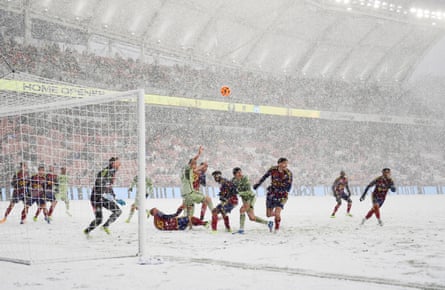
Yet the practical implications of such a transition present substantial challenges that cannot be dismissed casually. Player welfare and physical health represent paramount concerns in this discussion, as moving matches to fall and winter months introduces exposure to weather conditions quite different from the league's current operating environment. Heat management, recovery protocols, and injury prevention strategies that have been developed specifically for summer conditions would require complete overhaul and recalibration. Athletes would need to adapt training regimens, nutrition plans, and conditioning programs to meet the demands of cooler-weather competition, a transition that carries inherent risks regardless of preparation quality.
The venue and climate considerations also extend beyond player health to facility management and infrastructure requirements. Many NWSL stadiums have been designed, maintained, and operated with summer soccer in mind, and transitioning to fall-spring conditions could necessitate costly upgrades or renovations. Field conditions, drainage systems, and turf maintenance procedures optimized for warm-season play may perform suboptimally during autumn and winter months, potentially affecting match quality and player safety. Additionally, some smaller market stadiums may face capacity challenges if winter weather impacts attendance levels or requires facility winterization modifications.
Fan engagement patterns also present a significant concern often overlooked in calendar discussions. American sports fans have traditionally associated soccer with summer recreation and entertainment, and reversing this deeply ingrained cultural association could negatively impact attendance and viewership. The school calendar factor becomes problematic during fall and winter months, as academic obligations may prevent families from attending matches with the same frequency they currently enjoy during summer breaks. After-school activities, holiday commitments, and inclement weather could all serve as deterrents to match attendance during a fall-spring operating window.
Furthermore, the broader entertainment landscape poses additional competition during fall and winter months that simply does not exist during summer. American football dominates autumn and winter sports consumption, with the NFL, college football, and professional hockey all competing aggressively for viewer attention and discretionary spending during these periods. The NWSL would face substantially more formidable competition for media coverage, broadcast time, and audience engagement if it relocates to a fall-spring calendar. Summer soccer has traditionally thrived partly because of reduced mainstream sports competition during those months, allowing the league greater visibility and audience accessibility.
The broadcasting landscape also deserves consideration within this broader analysis of scheduling implications. Television networks and streaming services have specific programming strategies and advertising commitments that fluctuate seasonally, with fall and winter representing premium periods for sports broadcasting. Inserting the NWSL into an already-crowded fall-spring sports schedule could result in less favorable broadcast windows, reduced coverage frequency, or diminished national exposure compared to the league's current summer positioning. This scheduling displacement could potentially reduce overall viewership despite any international alignment advantages gained through calendar harmonization.
Player retention and recruitment present additional multifaceted challenges when considering the proposed calendar shift. Many international players currently join the NWSL specifically because the summer schedule allows them to maintain commitments to their home country clubs that operate on traditional fall-spring calendars. A shift toward fall-spring NWSL scheduling would create direct conflicts with European league commitments, potentially discouraging international talent recruitment rather than facilitating it. Ironically, the very international alignment objective that motivates the calendar change could be undermined by the practical complications it generates for player availability and mobility.
The NWSL player welfare considerations extend beyond simple scheduling mechanics to encompass the fundamental question of whether proposed changes genuinely benefit the athletes whose performances drive the league forward. Player feedback regarding scheduling preferences deserves substantial weight in any decision-making process, as these individuals will bear the direct physical and logistical consequences of calendar restructuring. The current summer schedule has evolved partly in response to player input and feedback regarding optimal training, competition, and recovery conditions, factors that should not be discounted in favor of administrative convenience or international synchronization objectives.
Economic implications of the calendar transition merit serious examination as well, particularly regarding sponsorship agreements, ticket sales projections, and revenue forecasting. Many corporate sponsors have committed to the NWSL based on established summer programming schedules and anticipated audience demographics. Significant calendar disruption could trigger contractual complications, renegotiation demands, or sponsor withdrawal if companies determine that fall-spring positioning fails to meet their marketing objectives and target audience engagement expectations. The financial stability of the league, particularly as it continues growth and expansion efforts, cannot afford such uncertainty.
In conclusion, while the theoretical benefits of global soccer calendar synchronization deserve acknowledgment, the practical implementation challenges and potential negative consequences suggest that maintaining the current summer schedule may ultimately serve the NWSL's long-term interests more effectively than premature calendar restructuring. The league's competitive advantage lies partly in its unique seasonal positioning within the American sports landscape, a differentiating factor that should not be surrendered without exhaustive analysis and comprehensive stakeholder consultation. Rather than pursuing calendar alignment for its own sake, the NWSL should carefully weigh tangible benefits against documented risks before committing to such a transformative operational change.
Source: The Guardian


