
NYC Issues First Blizzard Warning Since 2017 for Major Storm

New York City faces its first blizzard warning in nine years as a powerful late-winter storm threatens over 1 foot of snow and dangerous 55mph winds.
The New York City blizzard warning marks a significant weather event as meteorologists prepare residents for what could be one of the most severe winter storms in nearly a decade. Weather officials have issued comprehensive alerts across the northeastern United States, with particular emphasis on the tri-state area where conditions are expected to deteriorate rapidly. The National Weather Service has emphasized that this storm system carries the potential for widespread disruption to transportation, power infrastructure, and daily life throughout the region.
This east coast winter storm represents the first official blizzard warning for America's largest city since January 2017, when a similar weather pattern brought the metropolitan area to a virtual standstill. The current forecast models indicate that snowfall accumulations could exceed 12 to 15 inches in many areas, with some localized regions potentially receiving even higher totals. Wind speeds are projected to reach sustained velocities of 35 to 45 mph, with gusts potentially exceeding 55 mph along coastal areas and elevated terrain.
Emergency management officials across New Jersey storm preparation efforts have been coordinating closely with their New York counterparts to ensure adequate response capabilities. State transportation departments have begun pre-positioning snow removal equipment and deploying salt trucks along major thoroughfares. The timing of this storm system, arriving on a Sunday, provides some relief for commuter impact, though officials warn that Monday morning travel could face significant challenges if cleanup efforts are hampered by continued adverse conditions.
The 55mph wind gusts forecast present particular concerns for utility companies throughout the region, as the combination of heavy, wet snow and powerful winds creates ideal conditions for power line damage and widespread outages. Con Edison and other regional power providers have activated their emergency response protocols, bringing in additional crews from outside the immediate impact zone. The utility companies are particularly concerned about areas that experienced damage during previous winter storms, where infrastructure may be more vulnerable to additional stress.
Current weather patterns show the storm system developing along the traditional nor'easter track, drawing moisture from the Atlantic Ocean while interacting with cold air masses positioned over the Great Lakes region. This meteorological setup typically produces the most significant snowfall events for the New York metropolitan area. Forecasters note that slight shifts in the storm's track could significantly impact snow totals, with areas just 50 miles apart potentially seeing dramatically different accumulation amounts.
Transportation authorities have begun implementing northeast blizzard preparations across multiple agencies and jurisdictions. The Metropolitan Transportation Authority has announced potential service modifications for subway and bus operations, while regional airports are coordinating with airlines to minimize flight disruptions. Amtrak has already announced schedule adjustments for Northeast Corridor service, anticipating that high winds and heavy snow will necessitate reduced operating speeds and potential service suspensions.
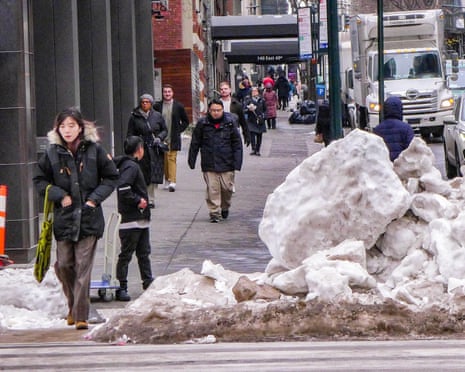
The remnants of the previous major snowstorm from nearly a month ago still dot the urban landscape with persistent ice formations, particularly in areas where snow removal was challenging or incomplete. These existing ice conditions could exacerbate the impact of the new storm, as additional snow and ice will have less space for storage and removal. City sanitation departments have been working to clear these remaining ice deposits in preparation for the incoming weather system.
Retail establishments and grocery chains throughout the region report increased customer activity as residents stock up on essential supplies. The familiar pre-storm shopping surge has been observed across supermarkets, hardware stores, and pharmacies, with particular demand for snow removal equipment, batteries, flashlights, and non-perishable food items. Some stores have implemented purchase limits on certain high-demand items to ensure broader availability throughout the community.
The February 2026 blizzard arrives during a winter season that has been characterized by variable conditions, with periods of unseasonably mild weather interspersed with significant cold snaps and storm events. Climate scientists note that this pattern of extreme variability has become increasingly common in recent years, though they emphasize that individual storm events cannot be directly attributed to broader climate trends without extensive analysis.
Local government officials have opened emergency coordination centers and activated snow emergency protocols that include parking restrictions, enhanced emergency services deployment, and coordination with federal agencies. Mayor's offices throughout the affected region have issued public advisories encouraging residents to avoid unnecessary travel and to check on elderly or vulnerable neighbors during and after the storm passage.
The economic impact of major winter storms on the New York metropolitan area can be substantial, with estimates from previous similar events suggesting daily economic losses in the hundreds of millions of dollars when business operations, transportation systems, and commercial activities are significantly disrupted. However, emergency management officials emphasize that public safety remains the primary concern, with economic considerations secondary to protecting life and property.
Weather monitoring systems continue to track the storm's development and movement, with forecast updates being issued every few hours as conditions evolve. The precision of modern meteorological modeling has significantly improved the accuracy of severe weather predictions, allowing for better preparation and response coordination among emergency services and the general public.
Source: The Guardian


