
NYC Official Slams ICE After Hospital Arrest Sparks Protest

New York City officials condemn ICE operations at Brooklyn hospital where federal agents arrested a detainee, sparking clashes between police and protesters over sanctuary city laws.
Immigration enforcement actions in New York City have ignited fresh controversy after federal agents forcibly removed a detainee from a hospital building, leading to a tense confrontation between law enforcement and demonstrators gathered outside the medical facility. The weekend incident in Brooklyn has raised serious questions about how local authorities are handling their obligations under the city's sanctuary city policies and whether they are properly protecting vulnerable populations during ICE operations.
New York City officials, including the mayor Zohran Mamdani, released a scathing statement condemning the actions of Immigration and Customs Enforcement on Monday. According to witnesses and officials present at the scene, federal immigration agents entered the hospital building and removed a man who had been brought there for medical evaluation following his arrest. The dramatic removal of the detainee prompted concerned citizens and immigration advocates to gather outside the hospital in protest, creating a volatile situation that ultimately resulted in physical confrontations with police personnel.
The incident has become a flashpoint in the ongoing national debate surrounding federal immigration enforcement and local law enforcement's role in such operations. Critics have specifically questioned the NYPD's response at the scene, particularly in light of New York City's well-established sanctuary laws that explicitly prohibit local police departments from cooperating with federal immigration authorities in civil immigration enforcement matters. These regulations have been a cornerstone of the city's approach to immigration policy for years, designed to protect undocumented immigrants from deportation and encourage them to interact freely with local institutions without fear of federal intervention.

The sanctuary city framework that New York operates under represents a deliberate policy choice to limit coordination between municipal law enforcement and federal immigration agencies. Under these protections, officers from the New York Police Department are generally prohibited from inquiring about immigration status, detaining individuals based solely on their immigration status, or providing resources to ICE agents conducting civil immigration enforcement. The city's commitment to these principles has been tested repeatedly in recent years, as federal immigration enforcement has intensified and created friction between local and federal authorities.
Observers and legal experts have noted that the hospital incident raises particular concerns because medical facilities are traditionally considered sensitive locations where enforcement actions should be especially limited or prohibited. Many jurisdictions, including New York City, have attempted to establish policies that protect hospitals, schools, and courthouses from immigration enforcement activities, recognizing that people should feel safe seeking medical care without fear of deportation. The fact that federal agents conducted this operation at a hospital has therefore amplified criticism and concerns about whether proper protocols and sensitivities were respected.
The detainee in question had been brought to the hospital for medical evaluation following his initial apprehension, suggesting he may have been in a vulnerable health situation when federal agents removed him from the facility. This aspect of the incident has prompted additional questions from advocates and officials about whether appropriate medical clearance was obtained before the individual was transported away from the hospital. The circumstances surrounding the arrest that preceded the hospital visit also remain subject to scrutiny and investigation by various oversight bodies.
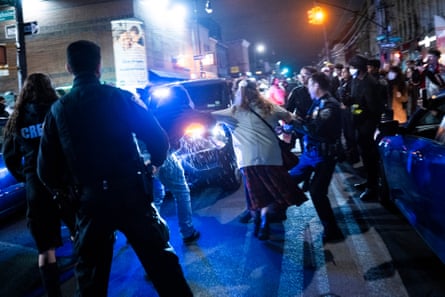
The clash between police and protesters outside the hospital has become another focal point of criticism and analysis. Witnesses and video documentation of the incident show law enforcement personnel using forceful tactics to disperse the crowd of demonstrators who had gathered to oppose the ICE operation. Civil liberties advocates have questioned whether the police response was proportional to the nature of the protest and whether proper distinction was made between peaceful protesters and any individuals who may have engaged in more disruptive behavior.
Mayor Mamdani's condemnation of ICE in the aftermath of the incident signals the continued tension between municipal and federal authorities over immigration enforcement priorities and methods. The city's leadership has consistently maintained that New York should not serve as an enforcer of federal immigration laws and has sought to protect its residents regardless of immigration status. This position has created recurring conflicts with federal agencies that view immigration enforcement as a paramount concern and believe local cooperation is essential for their operations.
The incident also draws attention to the broader pattern of ICE operations in New York City and the surrounding region. Over recent years, the agency has conducted numerous enforcement actions throughout the city, often resulting in arrests and deportations. Immigration advocates have documented these activities extensively and have called for stronger protections and clearer guidelines about when and where enforcement actions can take place, particularly in sensitive locations like hospitals, schools, and places of worship.
Legal scholars and immigration policy experts have noted that the tension between local sanctuary policies and federal immigration enforcement represents one of the most significant ongoing conflicts in American governance. New York City's sanctuary policies reflect values held by many urban communities that prioritize immigrant protection and integration over immigration enforcement. However, these local policies directly conflict with federal immigration laws and the enforcement priorities of agencies like ICE, creating a complicated legal and political landscape.
The response from city officials suggests that there may be investigations launched into how the police department handled the incident and whether proper sanctuary city protocols were followed. City agencies responsible for oversight and accountability are expected to examine the circumstances surrounding the protest dispersal and the initial arrest that led to the hospital visit. These investigations could have implications for how future immigration enforcement activities are managed within city limits.
The incident serves as a reminder of the high stakes involved in immigration enforcement and the passionate responses such actions generate among both supporters and opponents of strict immigration policies. The gathering of protesters outside the hospital demonstrates the significant public concern about federal immigration enforcement practices and the desire among many New Yorkers to protect vulnerable populations from deportation. The resulting clash with police has further inflamed tensions and raised questions about how the city will balance competing demands for order and social justice.
As investigations proceed and the city examines its response to the incident, the broader questions about immigration enforcement, sanctuary protections, and municipal responsibilities remain at the forefront of public discourse. The hospital incident in Brooklyn exemplifies the complex intersection of federal and local authority, public health considerations, and the rights of immigrant populations. These issues are likely to continue generating significant debate and policy discussions as communities across the nation grapple with their own approaches to immigration enforcement and protection.
Source: The Guardian

