
Oil Markets Face Critical 'Red Zone' as Summer Demand Surges

IEA warns global oil crisis looms in July-August amid plummeting reserves, surging demand, and reduced Middle East exports ahead of peak travel season.
The global energy landscape faces a potentially severe crisis as oil markets are predicted to enter a critical "red zone" during the peak summer travel season, according to alarming warnings from the International Energy Authority. The executive director of the IEA issued a stark caution on Thursday that oil stocks are expected to dwindle to dangerously low levels by July and August, creating what many analysts are describing as a perfect storm of supply constraints and surging consumer demand during the holiday travel season.
The confluence of multiple factors threatens to destabilize global energy supplies at precisely the moment when demand typically peaks. As families prepare for summer vacations and the busiest travel period of the year approaches, crude oil reserves are projected to reach critically low levels, unable to meet the anticipated surge in consumption. The situation is being exacerbated by a notable reduction in fresh oil exports from the Middle East, a region that supplies a significant portion of the world's petroleum needs and serves as a crucial buffer during periods of tight supply.
The IEA chief emphasized that the shortfall in energy supplies has been compounded by geopolitical tensions and regional instability affecting major producing nations. According to the authority's analysis, the timing could not be worse, as the summer months historically represent the year's most demanding period for oil consumption globally. The warning underscores the vulnerability of international energy markets to both supply shocks and seasonal demand fluctuations.

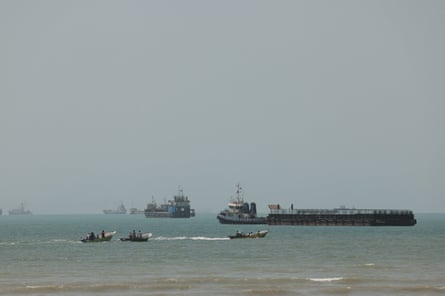
Among the most critical recommendations from the IEA leadership, reopening the strait of Hormuz emerged as the primary solution to alleviating the anticipated energy crisis. This vital waterway handles approximately one-third of all globally traded seaborne crude oil and represents one of the world's most strategically important chokepoints for energy transit. The IEA executive director stressed that a full and unconditional reopening of this crucial strait would be instrumental in restoring stability to oil supply chains and preventing the worst-case scenarios being forecasted for the summer months.
The current geopolitical climate has created unprecedented challenges for energy markets, with the Iran situation serving as a particular flashpoint for supply disruptions. The regional tensions have contributed significantly to the reduced export volumes that are now threatening to create bottlenecks in global petroleum supply. Industry analysts suggest that without immediate diplomatic intervention or a resolution to the underlying tensions, the "red zone" scenario could materialize exactly as predicted, potentially leading to severe economic consequences across multiple sectors.
The implications of such a market crisis would extend far beyond the energy sector itself. Airlines, shipping companies, agricultural operations, and manufacturers worldwide would face substantially elevated operating costs if oil prices spike dramatically in response to perceived scarcity. Consumer prices for gasoline, diesel, and heating oil would inevitably rise, potentially triggering broader inflationary pressures across already strained economies. The warning represents a call to action for policymakers and international leaders to address the underlying geopolitical tensions before market instability becomes irreversible.

Historical precedent suggests that oil market disruptions of this magnitude can have cascading effects throughout the global economy. Previous supply shocks have triggered recessions, disrupted transportation networks, and forced governments to implement emergency measures including strategic reserve releases and consumption rationing. The IEA's warning suggests that international coordination will be essential to navigate the predicted crisis period without inflicting unnecessary economic damage.
Energy security experts are closely monitoring developments in the Middle East region, recognizing that the coming months will be critical for determining whether the forecasted "red zone" scenario actually materializes. The IEA's analysis indicates that market interventions, diplomatic efforts, and strategic energy reserve releases may all be necessary tools to manage through the anticipated July-August crunch period. Decision-makers are being urged to begin preparations immediately rather than waiting until the crisis reaches its peak, when options for mitigation become severely limited.
The broader context of this warning reflects long-standing vulnerabilities in global energy infrastructure and the persistent geopolitical risks that threaten to disrupt supply flows from critical producing regions. As the world continues its energy transition toward renewable sources, the short-term dependence on conventional oil supplies remains absolute, making the current situation particularly precarious. The summer ahead will serve as a critical test of the global energy system's resilience and the effectiveness of international cooperation in managing shared resources during periods of acute scarcity.
International policymakers are being reminded that proactive engagement and diplomatic channels must remain open to prevent further deterioration of energy market conditions. The window for preventative action is narrowing, and the stakes could hardly be higher for global economic stability. As the summer travel season approaches, the interconnected nature of modern economies means that energy disruptions in one region can rapidly cascade into widespread consequences across the world, affecting everything from food prices to transportation costs to manufacturing competitiveness on the global stage.


