
Oil Prices Surge as US-Iran Negotiations Reach Impasse

Geopolitical tensions escalate as US-Iran peace talks stall. President Trump announces cancellation of diplomatic mission to Pakistan, triggering market volatility.
In a significant development that has reverberated through global energy markets, oil prices have experienced a notable uptick following the announcement that US-Iran peace talks have reached a critical stalemate. President Trump disclosed on Saturday that the United States has decided to cancel previously scheduled plans to dispatch a diplomatic team to Pakistan for negotiations, marking a substantial setback in ongoing diplomatic efforts to ease tensions between the two nations.
The decision to withdraw from these planned talks represents a dramatic shift in the administration's approach to managing the complex and historically fraught relationship between Washington and Tehran. This abrupt reversal has sent shockwaves through international diplomatic circles and financial markets alike, as investors and analysts scramble to assess the implications for regional stability and energy security. The cancellation underscores the deep impasse that has developed between the parties, despite previous indications that both sides were willing to engage in constructive dialogue.
The connection between geopolitical tensions and crude oil markets has long been established by energy economists and policy experts. When diplomatic relations deteriorate, particularly between major regional powers, market participants become increasingly concerned about potential disruptions to oil supplies and shipping routes. The Middle East remains one of the world's most critical energy-producing regions, with Iran playing a particularly significant role in global energy dynamics.
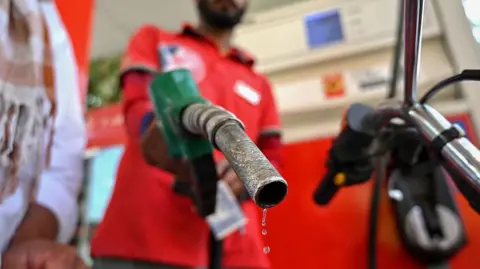
The stalling of negotiations between the US and Iran carries substantial implications for the international oil market, which has been volatile in recent months due to various geopolitical factors. Traders have responded to the news of canceled diplomatic missions by adjusting their positions and reassessing risk premiums in energy commodities. These adjustments are reflected in the upward movement of oil prices, which serve as a barometer of market sentiment regarding future supply stability and geopolitical risk.
Pakistan's role in these diplomatic efforts has been particularly noteworthy, as the country has traditionally served as a bridge between various international parties and has attempted to facilitate dialogue in complex geopolitical situations. The cancellation of the planned diplomatic mission to Pakistan effectively removes this intermediary channel, at least in the short term, and suggests that the gulf between the American and Iranian positions has widened considerably. This development raises questions about whether alternative diplomatic pathways might emerge in the coming weeks.
Trump's announcement comes amid a broader pattern of heightened tensions in the Middle East region, characterized by competing interests, military posturing, and occasional provocative actions by various parties. The president's statement reflected frustration with the pace and substance of negotiations, indicating that the administration views the current diplomatic framework as insufficient or unproductive. The decision to cancel the mission signals a willingness to take a firmer stance rather than continue with incremental diplomatic efforts.
Energy market analysts have been carefully monitoring these developments, recognizing that even the threat of escalating US-Iran tensions can impact oil market stability and investor confidence. The correlation between political developments in the Middle East and crude oil price movements has been demonstrated repeatedly throughout recent decades. When investors perceive increased risk of supply disruptions or military conflict, they tend to bid up prices as a hedge against potential scarcity, a phenomenon known as the "geopolitical risk premium."
The broader context of US-Iran relations includes a complex history of sanctions, military confrontations, and negotiations spanning several presidential administrations. The current situation represents the latest chapter in an ongoing saga of diplomatic engagement and disengagement between the two nations. Previous attempts at dialogue have often been met with skepticism from hardliners on both sides, and the current stall suggests that fundamental disagreements remain unresolved.
International observers have noted that the cancellation of diplomatic missions sends a strong signal to international markets about the administration's priorities and its assessment of the likelihood of productive negotiations in the near term. Financial institutions and energy trading firms have been adjusting their forecasts and recommendations based on this development. The uncertainty surrounding potential escalation has created a premium in oil prices that reflects market participants' desire to protect themselves against tail risks.
The impact on global energy supplies and prices carries implications for consumers, businesses, and governments worldwide. Higher oil prices can contribute to inflationary pressures in economies that depend heavily on energy imports, potentially affecting everything from transportation costs to heating expenses to manufacturing operations. Developing nations, in particular, may face challenges if energy prices remain elevated for extended periods.
Looking ahead, market participants and policymakers will be watching closely for any signs of movement toward renewed negotiations or, conversely, any further deterioration in relations that could threaten regional stability. The cancellation of the Pakistan mission does not necessarily preclude future diplomatic efforts through alternative channels, though the immediate outlook appears increasingly uncertain. Energy futures markets will likely continue to reflect elevated risk premiums until there are concrete signs of diplomatic progress or a de-escalation in tensions.
The intersection of politics, diplomacy, and energy markets demonstrates the interconnected nature of the modern global economy. Decisions made in Washington, Tehran, and Islamabad have immediate repercussions for energy traders in London, Singapore, and New York. As the situation continues to develop, all stakeholders—from governments to businesses to ordinary consumers—will feel the effects through changes in energy prices and economic activity. The coming days and weeks will be critical in determining whether this diplomatic impasse represents a temporary setback or a more fundamental shift in the trajectory of international relations.
Source: BBC News


