
One Nation Eyes Historic Win in Aussie By-Election

The populist One Nation Party seeks its first parliamentary seat in the Farrer by-election. A victory would mark a watershed moment for right-wing politics in Australia.
Australia's political landscape faces a potential seismic shift as the One Nation Party prepares for what could be a defining moment in the country's electoral history. The Farrer by-election in New South Wales has emerged as a critical battleground where the right-wing populist movement hopes to breakthrough into Australia's national parliament for the very first time. Should the party succeed in capturing this seat, it would represent a watershed moment in Australian politics and signal a significant realignment of voter preferences across the country.
The One Nation movement, led by prominent figure Pauline Hanson, has built considerable momentum in recent years despite multiple electoral attempts. The party's appeal centers on addressing concerns about immigration, national identity, and economic anxiety that resonate with particular voter demographics. This by-election represents perhaps their strongest opportunity yet to convert grassroots support into actual parliamentary representation, making the stakes extraordinarily high for both the party and the broader political establishment.
Farrer, a regional electorate spanning across New South Wales, has historically been held by the Liberal Party, making any shift toward One Nation a dramatic departure from traditional voting patterns. The by-election was triggered by the retirement of a long-serving incumbent, creating an opening that populist movements have historically exploited when establishment parties face succession challenges. Political analysts view the contest as a litmus test for One Nation's ability to translate polling numbers and grassroots enthusiasm into tangible electoral success at the federal level.
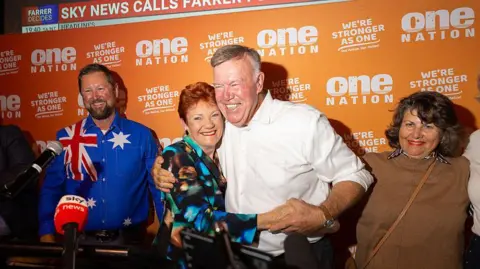
The political significance of this contest extends beyond the individual seat itself. A One Nation victory would validate the party's organizational capabilities and demonstrate that voters are willing to abandon traditional major-party allegiances in sufficient numbers to deliver meaningful representation. This could trigger a cascade effect, encouraging the party to contest additional seats in future elections and potentially attracting higher-profile candidates who previously dismissed One Nation as a fringe operation with limited electoral prospects.
Regional Australia has become particularly receptive to One Nation's messaging, with voters in provincial areas expressing frustration over agricultural policy, immigration effects on communities, and perceived neglect by major parties focused on metropolitan centers. The Farrer electorate encompasses agricultural land, small towns, and rural communities where these grievances have taken deeper root than in urban areas. Understanding this regional dynamic is essential to comprehending why One Nation views this particular contest as pivotal to their long-term electoral strategy.
Established political parties recognize the threat posed by One Nation's candidacy and have committed substantial resources to defending the seat. The Liberal Party, in particular, has invested heavily in ground organization and media presence to remind voters of their track record in parliament and warn against voting for untested alternatives. These efforts reflect genuine concern among major parties that failure to acknowledge voter concerns about regional policy could result in electoral punishment at the hands of populist competitors.
One Nation's policy platform emphasizes traditional conservative social values combined with economic nationalism and skepticism toward multilateral institutions. The party appeals to voters who feel their concerns are dismissed by the major parties and who perceive politicians as disconnected from their communities' real challenges. By positioning themselves as outsiders willing to challenge establishment consensus, One Nation has cultivated a distinct identity that attracts voters frustrated with conventional politics.
Media coverage of the by-election has intensified as polling data suggests a genuine three-way contest between One Nation, the Liberal Party, and the Labor opposition. This competitive dynamic means every campaign event, debate, and advertising dollar carries heightened importance. The media narrative around this contest will significantly influence voter perceptions and potentially determine the outcome, making communication strategy absolutely crucial for all competing campaigns.
Historical precedent suggests that by-elections often serve as protest votes against sitting governments, as voters feel empowered to express dissatisfaction without directly changing governmental control. This dynamic could work in One Nation's favor, allowing the party to capture protest votes while major parties struggle to mobilize their base. Understanding these electoral dynamics provides context for why this particular contest is receiving such intense national attention.
The potential election of One Nation's first federal MP would reshape parliament's ideological composition and force major parties to respond more directly to populist concerns. Currently, One Nation holds no seats in the House of Representatives, meaning their policy influence operates entirely through media attention and indirect pressure on major parties. Parliamentary representation would grant them question time, committee positions, and formal legislative involvement that dramatically expands their platform and credibility.
International observers view this Australian by-election as part of a broader global trend of populist parties challenging establishment political arrangements. Similar movements have achieved parliamentary breakthroughs in numerous democracies, and a One Nation victory would place Australia within this international pattern. The outcome carries implications beyond Australia's borders, potentially validating populist strategies that could inspire similar movements in other Western democracies.
Campaign dynamics have evolved significantly since One Nation's previous federal electoral attempts, with the party benefiting from better organization, more sophisticated digital marketing, and increased name recognition. Pauline Hanson has worked to rehabilitate the party's image among mainstream voters while maintaining core messaging that appeals to the populist base. This evolution in strategy and presentation suggests One Nation has learned from past failures and refined their approach to electoral competition.
Economic conditions and voter sentiment provide another crucial variable influencing the Farrer outcome. Periods of economic uncertainty typically benefit populist movements as voters seek alternatives to incumbent governments and their established opposition. Current economic conditions affecting regional Australia, including agricultural challenges and rural service delivery concerns, create an environment potentially favorable to One Nation's anti-establishment messaging and economic nationalist platform.
The electoral mechanics of the Farrer by-election utilize Australia's preferential voting system, meaning candidates need to secure majority support through the distribution of preferences rather than simply leading in first preferences. This system can either help or hinder One Nation depending on how second and subsequent preferences distribute among candidates. Understanding these technical aspects is essential to predicting actual outcomes versus raw polling data showing first-preference support.
Regardless of the Farrer outcome, the by-election has already accomplished something significant: forcing major parties and media to seriously engage with One Nation's agenda and the voter concerns driving populist appeal. Whether One Nation succeeds in capturing the seat or falls short, the contest has demonstrated that the party represents a force that Australia's political establishment cannot ignore or dismiss. This recognition alone represents a meaningful shift in Australian politics that will likely influence future electoral campaigns and policy discussions for years to come.
Source: BBC News


