
One Nation Surges in South Australia: Implications for Major Parties

An analysis of One Nation's surprising rise in the South Australian election, which has rocked Australian politics and poses challenges for both Labor and the Liberals.
The results of the South Australian election have sent shockwaves through the Australian political landscape, with the resounding victory of the Labor party serving as a mere subplot to the more consequential narrative – the startling surge of One Nation. This unexpected development has rocked the foundations of the traditional two-party system, forcing both major parties to reevaluate their strategies and respond to the growing influence of the populist party.
The Rise of One Nation
Once considered a fringe political movement, One Nation has managed to put meat on the bones of its polling surge, securing a significant share of the vote in the South Australian election. This unexpected success has not only rattled the Liberals, who suffered a devastating defeat, but also poses a challenge to the Labor party, which must now contend with the growing popularity of an alternative political force.
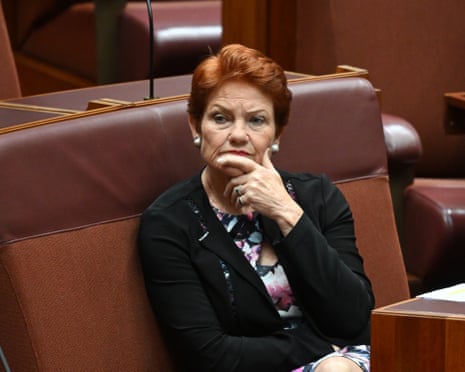
The rise of One Nation reflects a growing disenchantment among a segment of the electorate with the perceived establishment politics of the major parties. Voters, frustrated with perceived inaction on key issues and a disconnect between political elites and the concerns of everyday Australians, have turned to the populist message and bold policy proposals of One Nation.
Implications for the Major Parties
The South Australian election result serves as a wake-up call for both the Labor and Liberal parties. They must now grapple with the reality that a significant portion of the electorate is no longer content with the status quo and is seeking a more radical alternative. Both parties will need to carefully examine their platforms, messaging, and engagement with disaffected voters if they hope to remain competitive in the face of One Nation's growing influence.
For the Liberals, the devastating defeat in South Australia has exposed the vulnerabilities of their traditional conservative base. The party will need to carefully recalibrate its policy positions and reconnect with the concerns of its core supporters if it hopes to regain lost ground. Failure to do so could result in further erosion of their support, potentially paving the way for One Nation to emerge as a viable alternative for right-leaning voters.
Similarly, the Labor party must grapple with the challenge posed by One Nation's surge. While the party's victory in South Australia was overwhelming, the strong showing of the populist party serves as a warning that the electorate is seeking more than just a return to the status quo. Labor will need to carefully balance its progressive agenda with a nuanced approach that addresses the underlying concerns of the voters who have gravitated towards One Nation.
The South Australian election has ushered in a new era of political uncertainty, where the traditional two-party system is being challenged by the rise of alternative political movements. Both the Labor and Liberal parties must now confront the reality of a changing political landscape and devise strategies that resonate with a diverse and increasingly dissatisfied electorate. The future of Australian politics hangs in the balance, and the response of the major parties to this pivotal moment will shape the course of the nation for years to come.
Source: The Guardian


