
OpenAI Backs Kids Online Safety Act

OpenAI endorses the Kids Online Safety Act as the bill gains momentum in Congress. Learn about the implications for tech companies.
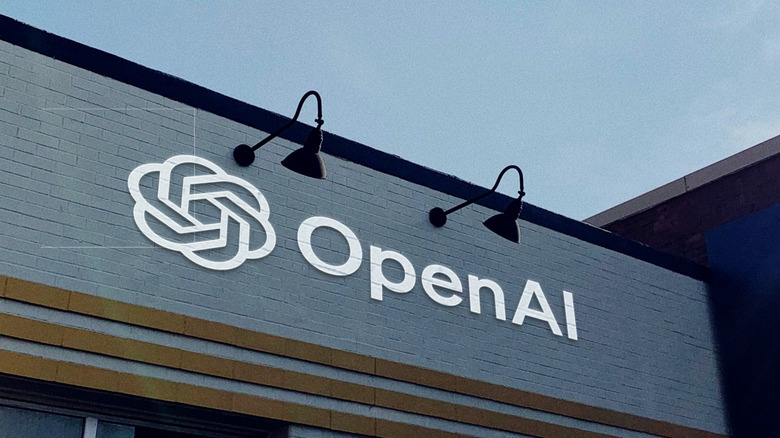
OpenAI, one of the world's leading artificial intelligence companies, has announced its support for the Kids Online Safety Act, a significant legislative proposal designed to protect children on the internet. This endorsement marks an important moment for the bill, which has been gaining considerable momentum in recent weeks as stakeholders from across the tech industry recognize the critical need for enhanced child protection measures in the digital age.
The Kids Online Safety Act represents a comprehensive approach to addressing the growing concerns surrounding children's safety in online environments. The legislation seeks to establish new standards and requirements for social media platforms, technology companies, and online services to implement safeguards that protect minors from harmful content, exploitation, and dangerous interactions. OpenAI's public backing of this initiative demonstrates that even major technology firms are increasingly acknowledging their responsibility in creating safer digital spaces for young users.
OpenAI's decision to endorse the bill comes as part of a broader shift within the technology sector toward self-regulation and proactive safety measures. Rather than waiting for stricter government mandates, many companies are recognizing that supporting reasonable child safety legislation can help establish industry standards while giving them a voice in shaping the regulatory landscape. This strategic approach allows companies to demonstrate their commitment to protecting vulnerable populations while potentially influencing the specific requirements and implementation timelines embedded in the law.
The bill has been drawing increased attention from both lawmakers and advocacy groups who have long pushed for stronger protections in the digital sphere. Parents, educators, and child safety experts have voiced concerns about the unchecked access younger users have to potentially harmful content, predatory behavior, and addictive design patterns intentionally built into social media platforms. The Kids Online Safety Act aims to address these systemic issues by requiring platforms to implement age verification, content filtering, and reporting mechanisms specifically designed to protect children.
Industry experts believe that OpenAI's endorsement could have meaningful implications for the bill's trajectory through Congress. As a high-profile company that develops cutting-edge AI technology, OpenAI carries significant influence in policy discussions. Their support signals to other technology leaders and legislators that supporting reasonable child safety measures is not only ethically appropriate but also strategically sound. This institutional backing can help counter arguments that such legislation is unnecessarily burdensome or technically unfeasible.
The momentum behind the Kids Online Safety Act reflects a growing consensus that the current regulatory environment has failed to adequately protect children in digital spaces. Multiple high-profile cases of online exploitation, cyberbullying, and negative mental health impacts have intensified public pressure for legislative action. By supporting this bill, OpenAI is positioning itself as a responsible corporate actor willing to embrace regulatory compliance frameworks that prioritize child welfare over unrestricted platform growth.
Critics of the proposed legislation have raised concerns about implementation challenges and potential unintended consequences. Some argue that age verification requirements could compromise user privacy, while others worry about the technical feasibility of effectively filtering content at scale. However, supporters contend that these implementation challenges are manageable and should not serve as excuses for inaction. OpenAI's support suggests that the company believes these technical and privacy concerns can be addressed through thoughtful implementation guidelines and industry collaboration.
The Kids Online Safety Act includes several key provisions that have shaped the debate around its passage. The legislation would require platforms to conduct impact assessments, modify recommendation algorithms that may promote harmful content to minors, establish clear reporting mechanisms for harmful material, and provide users with greater transparency about how their data is collected and used. These requirements aim to shift the power dynamics between platforms and users, giving families greater control over their children's digital experiences.
OpenAI's endorsement adds to a growing list of corporate statements supporting enhanced online child protection measures. While some major social media companies have been more ambivalent about the legislation, others have similarly announced support for specific provisions or the general principles underlying the bill. This evolving corporate landscape suggests that there is room for consensus-building around child safety issues, even as companies remain concerned about regulatory overreach in other areas.
The timing of OpenAI's announcement is particularly significant given the current political climate and public sentiment around technology regulation. As Congress continues to debate various aspects of digital regulation, from artificial intelligence oversight to platform accountability, child safety has emerged as one of the few areas with broad bipartisan support. This rare alignment creates a genuine opportunity for meaningful legislation to pass, and corporate endorsements like OpenAI's can help maintain the political momentum needed to move bills through the legislative process.
Moving forward, the success of the Kids Online Safety Act will depend on the ability of legislators, technology companies, and advocacy groups to work collaboratively on implementation details. OpenAI's public support suggests the company is willing to participate constructively in this process, potentially helping to identify practical solutions that balance child protection with technical feasibility and user privacy. As discussions continue, the level of corporate buy-in demonstrated by major technology firms will likely play a crucial role in determining whether the bill can successfully navigate remaining legislative hurdles and ultimately become law.
Source: Engadget


