
OpenAI Board Member Claims Musk Made Sperm Donation Offer

Former OpenAI board member Shivon Zilis reveals Elon Musk offered sperm donations while she served on the AI company's board, mother of four of his children.
Shivon Zilis, a prominent figure in the artificial intelligence and technology sectors, has publicly disclosed details about her relationship with Elon Musk that began during her tenure as a board member at OpenAI. The revelation centers on an unusual proposal that Musk allegedly made to Zilis while she was providing advisory services to the influential artificial intelligence company. This disclosure has drawn significant attention given the high-profile nature of both individuals and their connection to one of the most important AI organizations in the world.
Zilis currently serves as the mother of four children fathered by Musk, a fact that underscores the personal nature of their relationship that developed during her professional involvement with OpenAI. The OpenAI board member has been open about how her professional responsibilities intersected with her personal life during the period in question. This development adds another layer to the complex narrative surrounding Musk's personal life and his various business and organizational affiliations. The timing and context of how their relationship evolved has become a subject of public interest and media scrutiny.
The circumstances surrounding this revelation highlight the blurred lines that can sometimes exist between professional and personal spheres in high-stakes technology environments. Zilis's role at OpenAI placed her in a position where she was actively engaged with the organization's strategic direction and governance during a critical period in the company's development. Her simultaneous involvement in a personal relationship with Musk, who has maintained a complex relationship with OpenAI as its original co-founder, adds context to understanding the dynamics at play during that timeframe.
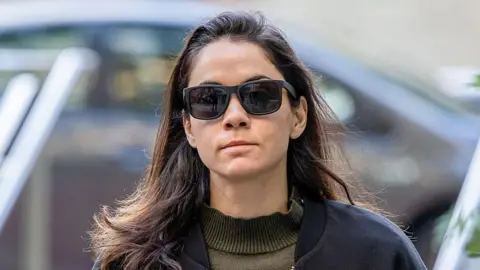
The OpenAI relationship between Zilis and the organization represented an important professional opportunity that coincided with her personal connection to Musk. As someone deeply involved in the advancement of artificial intelligence technology, Zilis brought valuable expertise and perspective to her advisory role. Her contributions to OpenAI's development during this period were viewed as significant by those within the organization. The intersection of these professional and personal elements creates a noteworthy case study in how relationships can develop within elite technology circles.
Musk's proposal, as disclosed by Zilis, represents one of the more unconventional aspects of their relationship's origin story. The nature of such a proposal during a professional advisory relationship raises questions about how personal matters intersected with her professional responsibilities at OpenAI. Zilis's willingness to discuss these details publicly demonstrates a significant openness about the more intimate aspects of her life and decision-making processes. Her disclosure provides insight into how relationships between prominent technology figures can develop in unexpected ways.
The four children that Zilis and Musk share represent the tangible outcome of their relationship, which began during her time working closely with the artificial intelligence company. This growing family has been part of Musk's broader personal life alongside his numerous other children and his various high-profile relationships. The existence of these children and their relationship to both their parents connects Zilis permanence to Musk's life in a profound way. Her role as a mother to four of Musk's children places her in a unique position within his extended family and professional network.
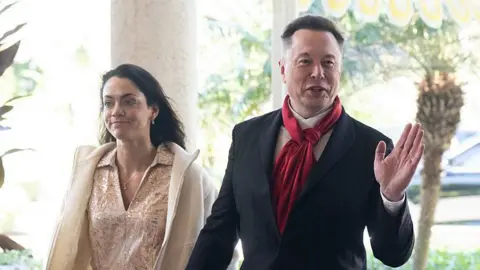
Zilis's background in technology and her involvement with AI governance positions her as more than just a figure in Musk's personal life. Her professional credentials and accomplishments in the technology sector stand independently, and her work with OpenAI represented a significant professional achievement. The fact that she has maintained a visible presence in the technology industry while also managing her personal responsibilities demonstrates her commitment to both spheres of her life. Her contributions to discussions about artificial intelligence development and regulation remain relevant regardless of her personal connections.
The disclosure of Musk's offer to provide sperm donations raises broader questions about reproduction, professional relationships, and the personal dynamics that exist among elite technology figures. Such proposals, while unusual in conventional professional contexts, may not be entirely surprising given Musk's well-documented interest in population growth and his stated concerns about demographic decline. His public statements about the importance of having more children have been a recurring theme in his public communications. This context provides some framework for understanding the nature of his proposal to Zilis, though it remains a highly personal and unconventional aspect of their relationship.

OpenAI itself has been at the center of significant developments in the AI field, including the emergence of ChatGPT and other advanced language models that have captured public attention. The organization's governance structure and board composition have been subjects of considerable discussion within the technology industry. Zilis's role as a board member placed her in a position where she could influence important decisions about the organization's direction and priorities. Her perspective on the development of artificial intelligence and its implications for society has been shaped by her professional experiences across multiple organizations and roles.
The broader implications of Zilis's disclosure extend beyond the personal relationship itself to encompass questions about professional boundaries, power dynamics, and decision-making within technology companies and organizations. How such relationships are managed and disclosed has become increasingly important as discussions about ethics and governance in the technology sector have intensified. Zilis's openness about her personal situation contributes to a growing conversation about transparency and authenticity among technology leaders. Her willingness to discuss these matters publicly may serve as a catalyst for broader discussions about similar situations in other organizations.
Looking forward, the implications of these revelations for both Zilis and Musk remain to be fully understood. Their continued involvement in various technology-related ventures and initiatives suggests that their relationship, both professional and personal, will likely remain subject to public interest and scrutiny. The development of their relationship and its outcomes continue to be newsworthy given their prominence in the technology and AI sectors. As the artificial intelligence field continues to evolve rapidly, the perspectives and contributions of individuals like Zilis remain important for understanding how the industry develops and the values that shape its direction.
Source: BBC News


