
OpenAI Co-Founder's Shocking Account of Musk

Brockman testifies during OpenAI vs. Musk trial, revealing tense confrontation. Discover what sparked fears during legal proceedings.
During the second week of an ongoing month-long legal battle between Elon Musk and OpenAI leadership, co-founder Greg Brockman took the stand to provide testimony that painted a dramatic picture of tensions between the parties. Brockman's account offered the courtroom a glimpse into the fractious relationship that has developed between the tech entrepreneur and the artificial intelligence research organization he helped establish years ago.
In his testimony, Brockman described a particularly tense moment during interactions with Musk, stating candidly, "I thought he was going to hit me." The statement underscored the heated nature of their exchanges and the personal animosity that has characterized their dispute. This vivid recollection provided the court with insight into the emotional intensity surrounding the conflict between these prominent figures in the technology sector.
The trial proceedings have now entered their second week, with both sides presenting evidence and witness testimony to support their respective positions. Legal experts have suggested that these depositions and courtroom appearances are crucial to establishing the narrative each party wishes to present regarding the origins and evolution of their disagreement. The case has drawn significant attention from the tech industry and legal observers alike.
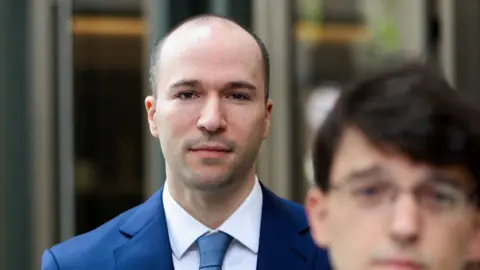
Brockman, who serves as the president of OpenAI, has been instrumental in the organization's operations and strategic direction. His decision to testify in person rather than submit written statements suggests the importance both his legal team and OpenAI's representatives place on his credibility and first-hand account. Throughout his tenure at the organization, Brockman has worked closely with co-founder Sam Altman and other key personnel to shape OpenAI's mission and technological development.
The conflict between Musk and OpenAI representatives represents a significant rupture in what was once a collaborative relationship. Musk co-founded the organization in 2015 with the stated mission of ensuring that artificial intelligence development would benefit humanity. However, his departure from the organization's board in 2018 marked the beginning of a gradual distancing that has culminated in this formal legal dispute.
During his testimony, Brockman provided context for his interactions with Musk, explaining the circumstances that led to the confrontation. The witness described the conversation as stemming from disagreements over organizational direction and strategic decisions. His account suggested that these were not merely professional disagreements but had become deeply personal in nature, affecting the emotional well-being of those involved.
The month-long trial has become a focal point for understanding the tensions that exist within the AI development community. As artificial intelligence companies continue to gain prominence and influence, the manner in which disputes between founders and leaders are resolved takes on broader significance. The case serves as a cautionary tale about maintaining professional relationships in high-stakes technology ventures.
Brockman's testimony has been supplemented by evidence presented by both legal teams, including communications, emails, and documents related to the founding and operation of OpenAI. These materials have provided the court with a comprehensive overview of the relationship's trajectory. Legal analysts suggest that understanding the precise nature of the disagreement requires careful examination of these materials alongside witness accounts.
The broader implications of this case extend beyond the immediate parties involved. As OpenAI continues to develop increasingly sophisticated AI systems and tools, questions about governance, leadership, and the protection of proprietary interests have become paramount. The trial is expected to set precedent for how similar disputes are handled in the rapidly evolving technology sector.
Sam Altman, OpenAI's chief executive officer, has also appeared in court to present his perspective on the disputes and disagreements that led to the legal action. The collaborative efforts required to build OpenAI into a leading AI research organization have been complicated by the fundamental disagreements that emerged between key stakeholders. Altman's testimony has corroborated certain aspects of Brockman's account while providing his own interpretations of events.
Throughout the trial, attorneys have sought to establish timelines and causal relationships between various decisions and statements made by the involved parties. This meticulous examination of facts and circumstances is intended to help the judge understand not only what happened but why it happened and what the legal implications are. The discovery process has been extensive, involving thousands of pages of documents and numerous hours of depositions.
Industry observers have noted that this case highlights the importance of clear governance structures and conflict resolution mechanisms in tech startups. As organizations grow from small teams to major players in their respective fields, the potential for interpersonal conflicts to develop increases substantially. The lessons learned from this trial may inform how future AI companies establish their operational frameworks and leadership structures.
Brockman's emotional recollection of feeling threatened during his interaction with Musk raises questions about the depth of animosity that has developed between these former collaborators. What began as a shared vision for ensuring safe and beneficial AI development has transformed into a bitter dispute that now requires judicial intervention. The personal nature of Brockman's testimony suggests that the professional disagreements have taken a significant emotional toll on those involved.
The trial is expected to continue for several more weeks, with additional witnesses and evidence yet to be presented. As the legal proceedings unfold, more details about the nature of the conflict and the specific grievances held by each party are likely to emerge. The outcome of this case could have significant ramifications for OpenAI's future operations and Musk's relationship with the organization he helped establish.
Source: BBC News


