
OpenAI Codex Coding App Now Available on Mobile

OpenAI expands Codex coding assistant to mobile devices, enabling developers to monitor and manage their coding projects remotely with ease.
OpenAI has made a significant stride in mobile development by bringing its popular Codex coding application to smartphones and tablets. This strategic expansion represents a major shift in how developers can interact with their projects, allowing them to maintain oversight and control of their coding initiatives regardless of their physical location. The mobile rollout demonstrates OpenAI's commitment to making advanced AI-powered development tools more accessible and convenient for the global developer community.
The new mobile implementation of Codex integrates seamlessly with existing workflows, enabling users to keep comprehensive tabs on their coding projects while away from traditional desktop environments. This functionality proves particularly valuable for developers who need to monitor project progress, review code changes, or respond to development issues on the move. The mobile version maintains core features that made the desktop application popular among software engineers and technical professionals worldwide.
Codex, OpenAI's AI coding assistant, has established itself as a transformative tool in the software development landscape since its introduction. The application leverages advanced machine learning models to understand developer intent and generate contextually relevant code suggestions. By bringing this capability to mobile platforms, OpenAI acknowledges the increasing importance of remote work and the need for developers to stay connected to their projects outside traditional office settings.
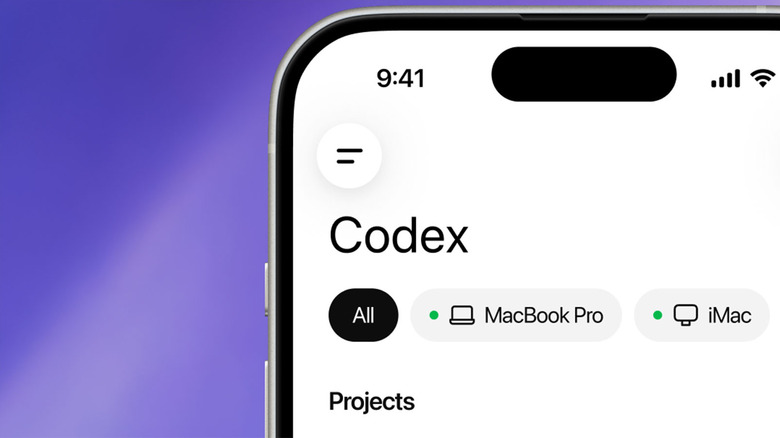
The mobile coding platform features an intuitive interface specifically designed for smaller screens while preserving the powerful functionality users expect. Developers can access their project repositories, review recent changes, and receive real-time notifications about their coding initiatives directly on their mobile devices. The responsive design ensures that navigation remains smooth and efficient, allowing users to accomplish meaningful development tasks without requiring full desktop computing power.
This expansion aligns with broader industry trends toward mobile-first development and remote-friendly tools. As software development increasingly becomes a distributed discipline with teams spanning multiple time zones and locations, the ability to monitor and manage projects remotely has become essential. OpenAI's decision to prioritize mobile accessibility reflects an understanding of modern developer needs and contemporary work patterns in the technology sector.
The mobile Codex application integration brings several practical advantages to professional developers and coding enthusiasts. Users can quickly check project status, respond to compilation errors, or push urgent code fixes without waiting to return to their primary workstations. This capability proves especially valuable during travel, between meetings, or during off-hours when a quick review might prevent delays in project timelines.
OpenAI has demonstrated careful attention to security and privacy considerations in the mobile implementation. The application maintains the same authentication protocols and data protection standards implemented in the desktop version, ensuring that sensitive code repositories and project information remain properly safeguarded. Developers can trust that accessing their projects through mobile devices does not compromise the integrity or confidentiality of their work.
The integration process for existing Codex users remains straightforward and user-friendly. Developers who already utilize the AI coding assistant on desktop platforms can simply download the mobile application and log in with their existing credentials. Their projects, settings, and customizations synchronize automatically, creating a unified experience across devices. This seamless transition encourages adoption and makes the mobile version immediately valuable to the existing user base.
Industry analysts recognize this mobile expansion as a competitive differentiator in the rapidly evolving AI development tools market. As competing services vie for developer attention and loyalty, offering comprehensive platform accessibility—including mobile support—has become an important consideration for software professionals evaluating their tooling options. OpenAI's proactive approach to mobile deployment positions Codex as a forward-thinking solution in the competitive landscape.
The mobile version of Codex supports collaboration features that facilitate team-based development workflows. Developers can share code snippets, discuss project challenges, and coordinate on development tasks through the mobile interface. These collaborative capabilities ensure that the transition from desktop to mobile doesn't diminish the social and communicative aspects of modern software development practices.
Performance optimization represents a crucial aspect of the mobile Codex implementation. The application efficiently manages network bandwidth and processing resources, ensuring that code suggestions and project synchronization occur smoothly even on connections with limited bandwidth. This careful engineering enables developers to maintain productivity even in challenging network environments, such as during travel or in areas with inconsistent connectivity.
Looking forward, the mobile launch of Codex likely represents just the beginning of expanded mobile AI capabilities for OpenAI and the broader developer tools industry. As artificial intelligence continues to revolutionize software development, making these powerful tools available across all platforms and devices has become increasingly important. Future updates may introduce additional features specifically optimized for mobile workflows, further enhancing the utility and appeal of the platform for on-the-go development work.
The availability of Codex on mobile devices reflects a fundamental shift in how developers approach their work in an increasingly flexible and distributed landscape. By removing the requirement for developers to access desktop computers to interact with their projects meaningfully, OpenAI enables a more fluid and responsive development process. This innovation demonstrates the company's understanding that modern software development doesn't conform to traditional 9-to-5 office schedules or location-based constraints.
Source: Engadget


