
OpenAI Launches Codex Chrome Plugin

OpenAI introduces a new Codex plugin for Chrome, expanding the AI coding assistant's capabilities beyond traditional development tasks.
OpenAI has announced the launch of a new Codex plugin for Chrome, marking a significant expansion of its popular AI coding assistant capabilities. This development represents a strategic move to integrate advanced code generation technology directly into the browsing experience, making sophisticated programming tools more accessible to developers worldwide. The plugin brings Codex functionality to the Chrome ecosystem, fundamentally changing how developers interact with code across the web.
The introduction of this Chrome extension demonstrates OpenAI's commitment to democratizing artificial intelligence tools for software development. By embedding Codex directly into the browser environment, the company enables developers to leverage powerful AI-powered code generation without switching between multiple applications or platforms. This seamless integration streamlines the development workflow and positions Codex as an essential tool for modern programming practices.
The new plugin transforms Codex from a standalone coding aid into a comprehensive assistant that operates within the context of web-based development environments. Developers can now access intelligent code suggestions, automated completions, and sophisticated programming assistance directly from their browser tab. This contextual availability means that the tool becomes embedded in the natural development process rather than requiring external consultation.
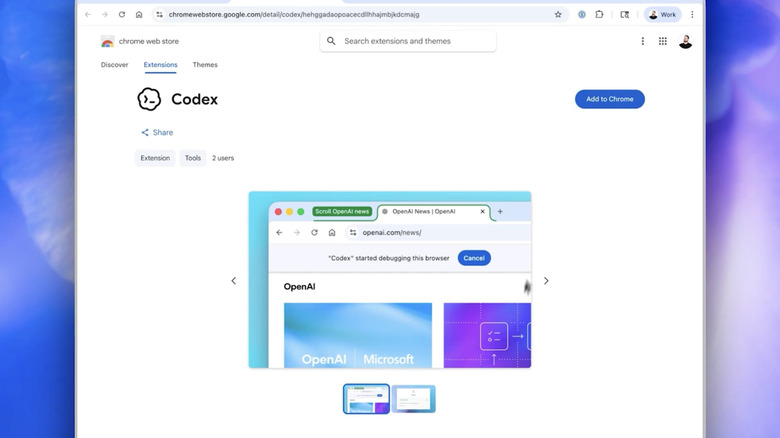
The Codex technology underlying this plugin represents months of research and refinement in natural language processing and code generation. Built on transformer-based machine learning models, Codex has been trained on vast repositories of publicly available code to understand programming languages, syntax patterns, and common development practices. The AI can interpret natural language descriptions and translate them into functional code across multiple programming languages including Python, JavaScript, Go, Perl, PHP, Ruby, Swift, TypeScript, and SQL.
Integration with Chrome specifically positions Codex to reach a broader audience of developers. Chrome's dominant market share in web browsers means that developers spend significant portions of their workday within the browser environment. By making Codex available as a native plugin, OpenAI ensures that this powerful tool is just one click away whenever developers need intelligent coding assistance. The plugin can analyze code snippets, suggest optimizations, and even help debug problematic code segments.
Beyond traditional coding applications, the Chrome plugin opens up possibilities for Codex to be utilized in new and innovative ways. The browser-based nature of the plugin means it can interact with web-based development platforms, cloud-based IDEs, and collaborative coding environments that many modern development teams rely upon. This versatility expands the potential use cases for Codex AI far beyond what was previously possible with the original standalone implementation.
The Chrome plugin also enables OpenAI to collect valuable usage data and feedback that can inform future iterations of Codex technology. Understanding how developers interact with the tool in real-world scenarios provides crucial insights into areas where the AI can be improved, refined, and optimized for maximum utility. This feedback loop between users and developers creates a pathway for continuous enhancement of the platform.
Security and privacy considerations have been carefully addressed in the plugin's design. OpenAI has implemented robust safeguards to ensure that sensitive code and proprietary information remain protected when developers use Codex within the Chrome environment. The company has established clear guidelines about data handling and user privacy to maintain trust with the developer community that relies on their tools.
The launch of the Codex Chrome plugin arrives at a strategic moment in the AI-assisted development landscape. As more companies and individual developers recognize the productivity benefits of AI-powered coding tools, demand for accessible, high-quality solutions continues to grow exponentially. OpenAI's decision to expand Codex availability through browser integration reflects their understanding of this market demand and their commitment to staying ahead of competition in the rapidly evolving field of artificial intelligence development tools.
Installation and setup of the Codex plugin is designed to be straightforward for Chrome users. Developers can access the plugin through the Chrome Web Store, following OpenAI's clear instructions for integration and configuration. Once installed, the plugin integrates seamlessly with existing development workflows, requiring minimal configuration while offering maximum functionality. The user interface has been optimized for speed and clarity, ensuring that developers can quickly access suggestions and assistance without disrupting their concentration or workflow.
Looking forward, the Codex Chrome plugin establishes a foundation for deeper integration of AI capabilities throughout the web development ecosystem. OpenAI has indicated plans to continue expanding plugin functionality and adding new features based on developer feedback and emerging use cases. The plugin represents not an endpoint in the evolution of Codex, but rather a starting point for a more ambitious vision of how AI can enhance and accelerate software development across diverse platforms and applications.
The introduction of this plugin underscores the transformative potential of AI in software development and positions OpenAI as a leader in making advanced technology accessible to working professionals. As developers around the world integrate Codex into their daily workflows through this new Chrome plugin, they're participating in a broader movement toward AI-augmented development practices that promise to increase productivity, reduce errors, and unlock new possibilities in software engineering.
Source: Engadget


