
OpenAI's AI Pets Transform Codex App Experience

OpenAI launches AI-generated pet companions for Codex app, offering interactive assistance that surpasses outdated digital helpers like Clippy.
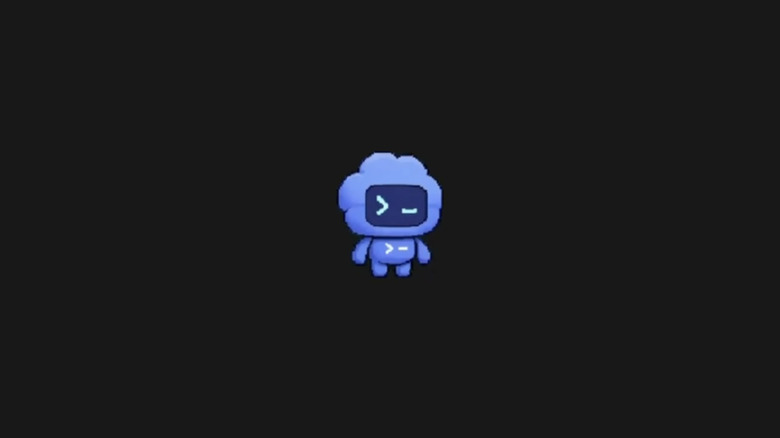
OpenAI has unveiled an innovative feature that brings virtual pet companions to its Codex application, marking a significant departure from the often-derided digital assistants of the past. The new AI-generated pets are designed to provide interactive assistance and engagement within the development environment, creating a more personable and useful experience for programmers and developers working with the platform.
Unlike the infamous Microsoft Clippy of decades past—the animated paperclip that became synonymous with intrusive and unhelpful assistance—OpenAI's approach to digital companionship demonstrates substantial improvements in functionality and user experience. The pet AI feature leverages advanced machine learning algorithms to understand context, anticipate user needs, and deliver genuinely valuable assistance in real-time. This represents a fundamental shift in how developers interact with code completion and programming tools in their daily workflows.
The integration of AI pets in Codex showcases OpenAI's commitment to making development tools more engaging and accessible. Rather than presenting dry, technical interfaces, the company has chosen to personify the assistance layer through carefully designed virtual companions. These digital entities can respond to developer queries, offer suggestions based on coding patterns, and provide encouragement during complex debugging sessions.
The philosophy behind this feature reflects broader trends in human-computer interaction design, where emotional engagement and personality enhance user retention and satisfaction. OpenAI's development team has implemented sophisticated natural language processing capabilities that allow the virtual pets to understand nuanced requests and provide contextually appropriate responses. This technological advancement ensures that the pets serve a practical purpose beyond mere aesthetic novelty.
User testing and feedback have indicated that developers appreciate the gamification elements incorporated into the pet system. The pets can track coding achievements, celebrate completed projects, and even provide gentle reminders about best practices and code optimization. This interactive approach to developer assistance creates positive reinforcement loops that encourage better coding habits and sustained engagement with the platform.
The technical architecture supporting these AI pets demonstrates substantial engineering effort and innovation. OpenAI has trained custom models specifically designed for understanding programming contexts, recognizing common coding patterns, and generating helpful suggestions that feel natural and conversational. The system operates efficiently within the Codex environment, ensuring that the added layer of AI companionship doesn't compromise application performance or responsiveness.
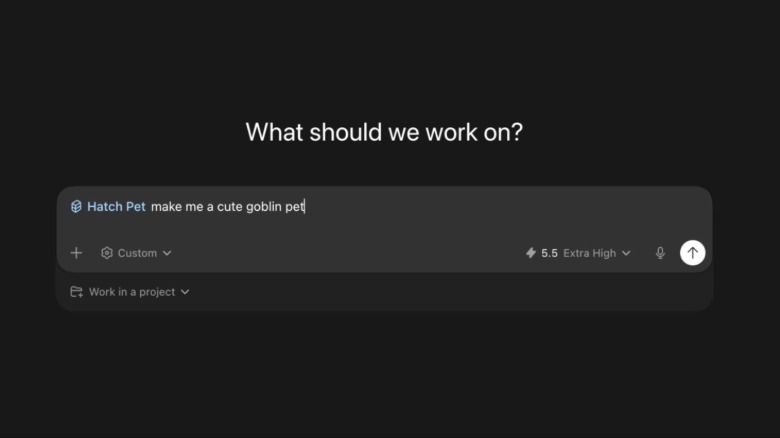
Customization options allow developers to personalize their Codex AI pets according to individual preferences, from visual appearance to personality traits and interaction styles. Some users might prefer a mentor-like pet that focuses on educational guidance, while others may choose a more casual companion that offers encouragement and support. This flexibility acknowledges the diverse needs and preferences within the developer community.
The launch of this feature arrives at a pivotal moment in the artificial intelligence industry, where companies are increasingly exploring ways to embed AI companions into productivity tools. OpenAI's implementation provides a compelling case study in how thoughtful design and advanced technology can transform mundane development tasks into more engaging, rewarding experiences. The success of this initiative could influence how other software companies approach digital assistance moving forward.
Industry observers have noted that the distinction between OpenAI's approach and historical failures like Clippy lies primarily in execution quality and genuine utility. The Codex AI pets aren't designed to interrupt workflows or impose assistance unnecessarily. Instead, they remain available for consultation when developers need help, yet stay unobtrusive during focused coding sessions. This respectful approach to digital assistance represents meaningful progress in creating tools that developers actually want to use.
The integration aligns with OpenAI's broader vision of making powerful AI capabilities accessible to developers and organizations of all sizes. By introducing these interactive elements into Codex, the company demonstrates that advanced artificial intelligence doesn't need to be intimidating or disconnected from user experience. Rather, it can be woven seamlessly into the tools professionals use every day, enhancing productivity while maintaining simplicity and ease of use.
Looking ahead, OpenAI continues to refine and expand the capabilities of its AI pet system based on user feedback and emerging technological possibilities. Future iterations may include enhanced learning abilities where pets adapt to individual developer preferences over time, collaborative features allowing team pets, or integration with popular development environments and IDEs. The foundation established by this initial release creates exciting possibilities for the evolution of AI-assisted development tools.
The reception from the developer community has been generally positive, with many appreciating the thoughtful approach to combining functionality with engaging user experience. Developer forums and communities have begun sharing creative ways to interact with their AI pet companions, exploring the boundaries of what these digital assistants can accomplish. This organic engagement suggests that OpenAI has successfully struck a balance between novelty and practical utility.
Security and privacy considerations have also been central to the development of this feature. OpenAI has implemented robust safeguards to ensure that interactions with AI pets don't compromise code security or expose sensitive project information. The system processes user interactions locally where possible and maintains strict data handling protocols that align with enterprise-grade security standards demanded by professional developers.
As artificial intelligence continues to reshape software development, features like OpenAI's AI-generated pets for Codex represent a maturing understanding of how humans and machines can collaborate effectively. Rather than viewing AI assistance as a replacement for human expertise, the design philosophy emphasizes augmentation and partnership. This nuanced approach bodes well for the future integration of AI tools across the development ecosystem and beyond.
Source: Engadget


