
OpenAI's GPT-Rosalind: Revolutionizing Biology Research with Advanced Language Model

OpenAI introduces GPT-Rosalind, a large language model trained specifically for common biology workflows, helping researchers tackle massive datasets and specialized subfields.
OpenAI, the leading artificial intelligence research company, has taken a significant step in the field of biology by developing a large language model (LLM) specifically tailored for common biology workflows. Dubbed GPT-Rosalind, the model is named after the renowned Rosalind Franklin, a pioneering scientist who played a crucial role in the discovery of the DNA double helix structure.
In a press briefing, Yunyun Wang, OpenAI's Life Sciences Product Lead, highlighted two major roadblocks faced by current biology researchers that GPT-Rosalind aims to address. The first is the massive datasets created by decades of genome sequencing and protein biochemistry, which can be overwhelming for any single researcher to comprehend. The second is the highly specialized nature of biology's subfields, each with its own unique techniques and jargon, making it challenging for researchers to cross-pollinate ideas and insights.

To tackle these challenges, OpenAI has trained the GPT-Rosalind LLM on 50 of the most common biological workflows, as well as on how to access the major public databases of biological information. This extensive training has resulted in a system that can suggest likely biological pathways and prioritize potential drug targets, effectively bridging the gap between genotype and phenotype through known pathways and regulatory mechanisms.
"We're connecting genotype to phenotype through known pathways and regulatory mechanisms, infer likely structural or functional implications of genetic variants, and assist in the discovery of novel drug targets," said Wang. This innovative approach promises to revolutionize the way biology research is conducted, empowering researchers to navigate the vast troves of data and unlock new insights more efficiently.
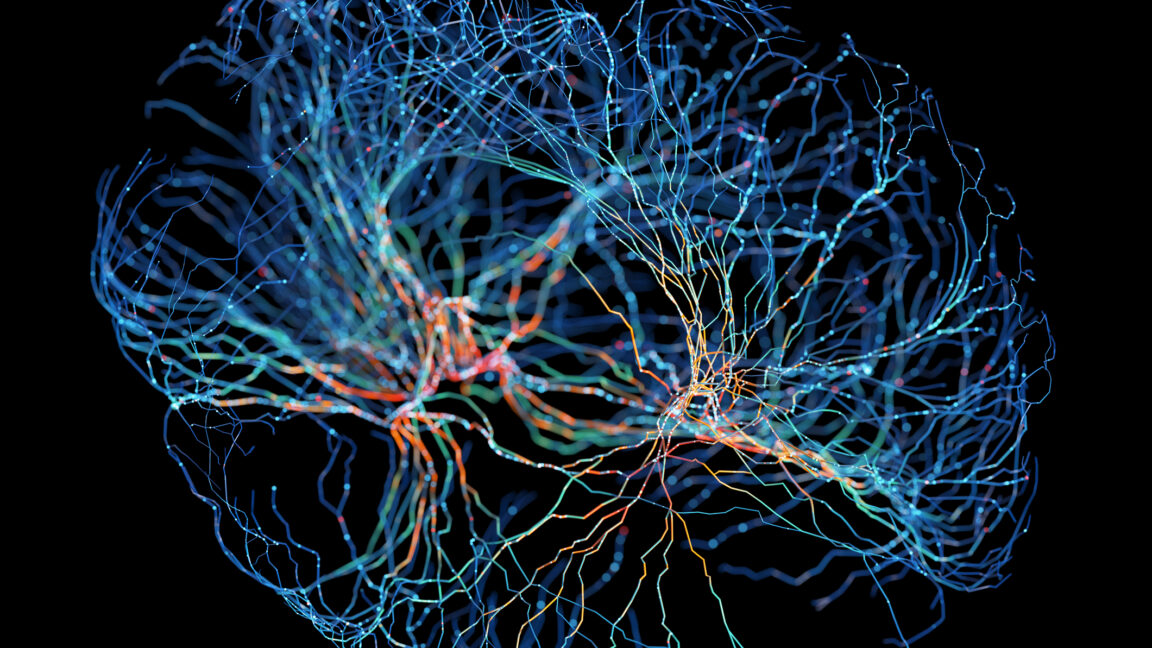
The development of GPT-Rosalind is a significant milestone in the integration of artificial intelligence and biology. By leveraging the power of large language models, OpenAI aims to accelerate scientific discoveries and advancements in the life sciences. As researchers continue to grapple with the ever-expanding datasets and the complexity of biological systems, tools like GPT-Rosalind promise to be invaluable in streamlining their workflows and unlocking new avenues of exploration.

The release of GPT-Rosalind marks a pivotal moment in the intersection of AI and biology, demonstrating the potential for language models to tackle the unique challenges faced by the scientific community. As the field of biology continues to evolve, the impact of this innovative tool is sure to be felt across a wide range of research areas, from drug discovery to personalized medicine.
Source: Ars Technica


