
Oppo Find X9 Ultra vs Vivo X300 Ultra

Comparing flagship telephoto cameras: Oppo Find X9 Ultra battles Vivo X300 Ultra. Discover which premium smartphone excels.
The smartphone market has entered a new era where telephoto camera technology has become a defining factor in determining which flagship device reigns supreme. Two of Asia's most innovative manufacturers have released their latest flagship models, both pushing the boundaries of what's possible with mobile photography. The Oppo Find X9 Ultra and the Vivo X300 Ultra represent the pinnacle of smartphone engineering, each bringing unique advantages to the table in the battle for telephoto supremacy.
When evaluating these two powerhouses, it's essential to understand that both manufacturers have invested tremendous resources into their camera systems. The mobile photography landscape has evolved dramatically over the past few years, with users demanding not just traditional wide-angle capabilities but also exceptional zoom performance and low-light sensitivity. These two flagships directly address that demand with sophisticated optical engineering and advanced computational photography techniques that work in tandem to deliver stunning results across various lighting conditions.
The Oppo Find X9 Ultra arrives with an ambitious camera setup that includes multiple lens configurations designed to handle everything from ultra-wide perspectives to extreme telephoto magnification. Oppo has long been recognized for their zoom camera innovation, and this latest iteration builds upon years of research and development. The device features cutting-edge optical stabilization technology that compensates for hand tremors during zoom capture, a critical feature when you're shooting at longer focal lengths where even minor movements become magnified in the final image.
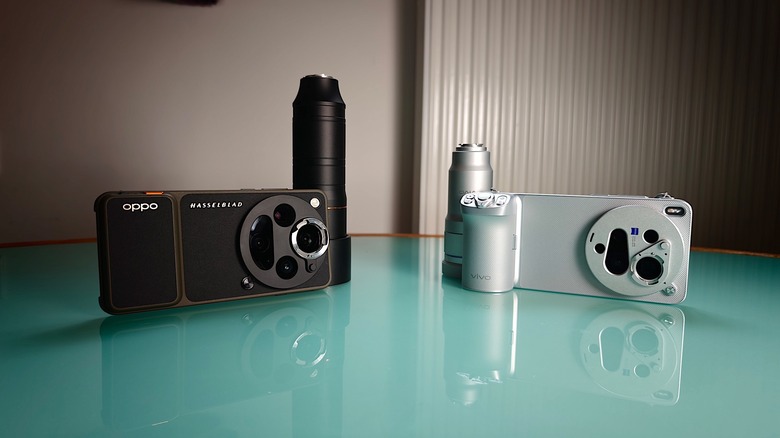
The Vivo X300 Ultra counters with its own impressive optical arsenal, featuring a distinctly different approach to telephoto photography. Vivo's engineering team has focused on creating a more versatile zoom range that balances both optical and digital enhancement strategies. The X300 Ultra's camera system emphasizes optical clarity across multiple zoom levels, ensuring that whether you're shooting at 5x magnification or pushing beyond 10x, the image quality remains consistently impressive. This comprehensive approach to telephoto performance demonstrates Vivo's commitment to delivering practical zoom capabilities that users can rely on in real-world scenarios.
When examining the sensor specifications of both devices, we find notable differences that contribute to their overall photographic capabilities. The Oppo Find X9 Ultra utilizes larger sensor dimensions in its primary telephoto modules, which theoretically allows for better light gathering and improved detail preservation. Vivo's X300 Ultra, meanwhile, emphasizes sensor density and pixel binning techniques that create compelling images without necessarily requiring the largest physical sensor footprint. Both approaches have merit, and the choice between them often comes down to personal photographic preferences and shooting conditions.
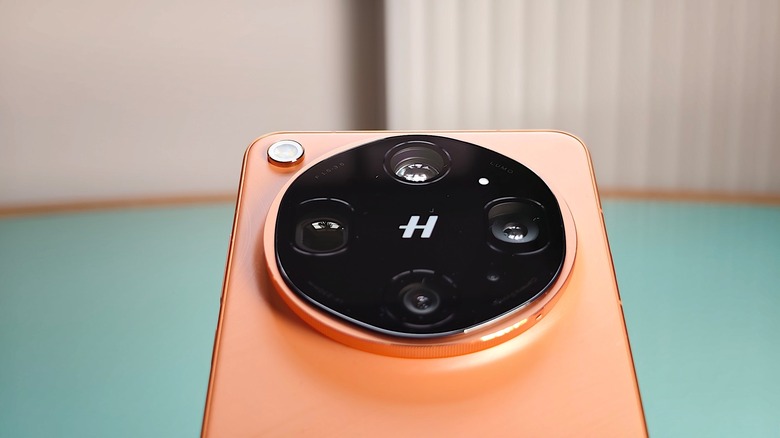
The computational photography implementation in both devices represents where the real wizardry happens in modern flagship smartphones. Oppo's image processing pipeline has been refined to handle extremely challenging lighting situations where traditional smartphone cameras would struggle. The Find X9 Ultra leverages artificial intelligence to intelligently enhance details, correct color casts, and optimize exposure across various zoom levels. Vivo's approach similarly utilizes machine learning algorithms, but with a different philosophical approach that sometimes favors natural-looking results over maximum enhancement.
Night photography stands as one of the most demanding use cases for any smartphone camera system, and here both devices have implemented specialized night modes specifically optimized for telephoto shooting. The Oppo Find X9 Ultra's night mode combines extended exposure times with intelligent noise reduction, producing remarkably clear images even when shooting toward distant light sources. The Vivo X300 Ultra's night telephoto implementation emphasizes real-time processing and multi-frame fusion, taking multiple images simultaneously and blending them to achieve superior noise performance. Both approaches yield impressive results, though they sometimes exhibit different aesthetic characteristics.

Video recording capabilities on flagship telephoto smartphones have become increasingly important as content creators leverage these devices for professional work. The Oppo Find X9 Ultra supports advanced video stabilization across all focal lengths, with 8K recording capability at the widest angles and exceptional stability even when zooming during active recording. The Vivo X300 Ultra also delivers impressive video performance, though its approach emphasizes smooth transitions between different zoom levels and consistent white balance during dynamic scene changes. Both devices can capture cinema-quality footage, with the choice between them depending on your specific videography priorities.
From a practical usability standpoint, the user interface and zoom controls on both devices warrant careful consideration. The Oppo Find X9 Ultra implements a sophisticated zoom slider that provides granular control over magnification levels, allowing photographers to preview compositions at various zoom depths before capture. Vivo's X300 Ultra offers a similar control scheme but with additional preset zoom buttons that quickly jump to commonly used focal lengths like 3x, 5x, and 10x magnification. Power users appreciate Oppo's more flexible approach, while casual photographers often prefer Vivo's quicker preset options.

The color science and white balance handling differentiate these two flagships in subtle but meaningful ways. Oppo tends to produce images with slightly warmer tones and enhanced saturation, which appeals to users who want their photos to pop on social media platforms. Vivo's color grading philosophy emphasizes accuracy and natural representation, which professionals often appreciate when they need to perform post-processing work. Neither approach is inherently superior—they simply cater to different user preferences and use cases.
Thermal management during intensive photography sessions becomes crucial when you're pushing these devices to their limits with extended zoom shooting or continuous video recording. The Oppo Find X9 Ultra features advanced thermal dissipation technology that keeps the camera system cool and maintaining peak performance during extended use. The Vivo X300 Ultra similarly addresses thermal concerns, though it may slightly throttle processing after prolonged intensive use. In typical daily photography scenarios, thermal management won't be a decisive factor, but content creators recording long video sequences should factor this consideration into their purchasing decision.
The accessories ecosystem surrounding each device also influences the overall telephoto photography experience. Oppo provides a more extensive lineup of official accessories specifically designed for serious photography, including specialized cases with tripod mounting points. Vivo's accessory selection is more modest but still covers essential items for photographers. Third-party manufacturers produce quality accessories for both devices, so this shouldn't be a primary deciding factor unless you specifically want official Oppo or Vivo-branded equipment.
In conclusion, both the Oppo Find X9 Ultra and Vivo X300 Ultra represent outstanding achievements in mobile telephoto technology. The Oppo Find X9 Ultra appeals to users seeking the most advanced optical technology and maximum flexibility in zoom control, coupled with aggressive image processing that produces visually striking results. The Vivo X300 Ultra serves photographers who prioritize natural color science, practical zoom versatility, and consistent performance across diverse shooting conditions. Your choice between these exceptional devices should ultimately depend on which photographic philosophy aligns best with your personal preferences and intended use cases.
Source: Engadget


