
Orbán Allies Flee Hungary After Electoral Collapse

Fidesz-linked figures rush to move wealth abroad following Viktor Orbán's historic election defeat. New PM accuses associates of shielding assets from accountability.
The celebrations along the Danube River marked a turning point in Hungarian history. When news broke that Viktor Orbán's 16-year grip on power had ended in a historic election defeat, the nation erupted in jubilation. Citizens gathered across Budapest and beyond, embracing strangers and celebrating what many saw as a return to democratic values. However, beneath the festivities and public rejoicing, a parallel narrative was unfolding behind closed doors.
While ordinary Hungarians reveled in the streets, reports emerged of a dramatically different scene at Vienna's airports and financial institutions. Sources speaking to the Guardian revealed that private jets allegedly laden with wealth have been departing Vienna with increasing frequency, carrying individuals connected to Orbán's inner circle. These departures appear coordinated and urgent, suggesting a calculated effort to relocate assets before the incoming government can implement new accountability measures. The timing of these movements raises serious questions about what assets are being moved and why the rush is occurring.
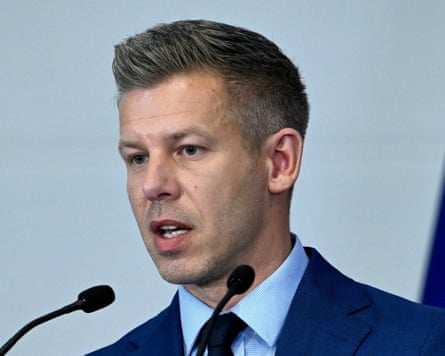
Incoming Prime Minister Péter Magyar has not minced words regarding these developments. The new leader has publicly accused Fidesz-linked figures of orchestrating a systematic effort to shield their accumulated wealth from governmental scrutiny and potential legal consequences. Magyar's administration, which campaigned on anti-corruption and transparency platforms, views these capital flows as evidence of the very systemic problems they aim to address. The incoming government has signaled that understanding the true extent of alleged wealth accumulation during Orbán's tenure will be a priority.

The rush to relocate assets represents more than mere financial maneuvering; it reflects deeper concerns about potential investigations and accountability measures. During Orbán's 16 years in office, multiple reports from international organizations documented concerns about corruption and wealth concentration among government-linked oligarchs and allies. The incoming government has indicated it plans to investigate these relationships thoroughly, which may explain the sudden urgency in moving funds abroad. Many analysts view the capital flight as an implicit acknowledgment of vulnerability to future legal action.
Beyond asset transfers, other strategies have emerged among Orbán's closest associates. High-ranking figures connected to the former prime minister have been actively exploring US visa options, reportedly seeking employment opportunities at institutions and organizations aligned with America First ideology and MAGA-linked networks. These individuals apparently believe that relocating to the United States offers both physical distance from Hungarian jurisdiction and professional opportunities within sympathetic political circles. The simultaneous pursuit of multiple exit strategies suggests a coordinated effort rather than isolated individual decisions.
The scale of alleged wealth movement has caught the attention of international observers and financial regulators. Legal experts have begun analyzing the implications of rapid asset transfers during political transitions, noting that many jurisdictions have laws designed to prevent precisely this type of activity. The Hungarian government will face technical and legal challenges in attempting to trace and potentially recover assets that have already been moved across borders. International cooperation will likely be necessary to address the scope of these transfers.
The election result itself represented a dramatic reversal for Orbán's Fidesz party, which had dominated Hungarian politics for over a decade and a half. The coalition opposing Fidesz successfully united diverse political factions around platforms emphasizing democratic reform, rule of law restoration, and anti-corruption measures. Voters clearly signaled their desire for significant change in how government operates and how public resources are managed. This mandate has emboldened the incoming administration to pursue ambitious accountability initiatives.
Magyar's government has inherited significant challenges in attempting to address alleged corruption networks developed over many years. The incoming administration must balance aggressive investigation with maintaining economic stability and international investor confidence. European Union institutions, which had expressed concerns about democratic backsliding under Orbán, are likely to support Hungarian government efforts to restore institutional independence and transparency. International pressure may help facilitate investigations and potentially assistance in recovering misappropriated assets.
Financial institutions across Europe are reportedly preparing for increased scrutiny of transactions involving individuals connected to Orbán's government. Banks and investment firms understand that cooperating with legitimate government investigations is both legally necessary and politically prudent. The ongoing financial movements have reportedly prompted regulatory authorities in multiple countries to review recent transactions and flag suspicious activity. This increased oversight may complicate efforts by Orbán allies to relocate remaining assets.
The situation reflects broader European challenges regarding democratic accountability after authoritarian leadership. Hungary's transition offers lessons for other nations experiencing similar political changes. The difficulty of addressing systemic corruption that became institutionalized under previous leadership requires sustained commitment, international cooperation, and sophisticated legal strategies. The incoming government must demonstrate that accountability is genuine and comprehensive while avoiding accusations of political revenge that could undermine legitimacy.
Civil society organizations in Hungary are mobilizing to support transparency and anti-corruption efforts. Watchdog groups are publishing databases of suspected beneficiaries of questionable government contracts and subsidies during the Orbán era. Investigative journalists continue uncovering details about financial relationships between government officials and business interests. These parallel efforts complement official government investigations and help maintain public pressure for accountability. The combination of governmental action and civil society oversight increases the likelihood that corruption networks will be meaningfully addressed.
International law enforcement agencies have also indicated interest in the financial movements allegedly occurring. Organizations focused on combating money laundering and financial crimes are monitoring transactions involving Hungarian officials and their associates. The extensive documentation of concerns about democratic backsliding and corruption under Orbán means substantial evidence exists for potential investigations. Coordinated international action could significantly complicate efforts to shield wealth from scrutiny.
The coming months and years will demonstrate whether Hungary can effectively implement anti-corruption initiatives while maintaining international credibility and rule of law principles. The incoming government's success in addressing alleged corruption will significantly influence Hungary's trajectory and its standing within the European Union. Equally important will be the government's ability to implement reforms without descending into partisan score-settling that could undermine long-term institutional strengthening. The balance between accountability and democratic legitimacy remains delicate and essential.
Source: The Guardian


