
Orbán Exits Parliament After Historic Electoral Loss

Viktor Orbán steps down from Hungarian parliament following his party's decisive defeat. The former PM relinquishes his seat after years of leading Hungary's government.
Viktor Orbán, Hungary's former prime minister and one of Europe's most dominant political figures, has announced his decision to relinquish his parliamentary seat following a landslide electoral defeat that ended his party's grip on power. This unprecedented move marks a significant moment in Hungarian politics, as Orbán, who had maintained an iron grip on the country's legislative body for over a decade, steps away from his position as Hungarian parliament member.
The decision comes in the wake of his Fidesz party's poor performance in the recent national elections, where voters delivered a decisive rejection of his policies and political direction. Rather than transition into opposition leadership from within parliament, Orbán has opted to abandon his parliamentary duties entirely, a choice that underscores the magnitude of his party's electoral collapse. This departure represents a dramatic shift for a politician who had previously seemed immovable from Hungary's political landscape.
Political analysts have interpreted Orbán's resignation from parliament as a calculated strategic move. By stepping away entirely, rather than leading opposition efforts from within the chamber, he may be positioning himself for a potential comeback or shifting his political operations to alternative platforms outside traditional legislative structures. The symbolism of his departure cannot be overstated—it signals both the end of an era in Hungarian politics and potentially a transformation in how Orbán plans to exert political influence.
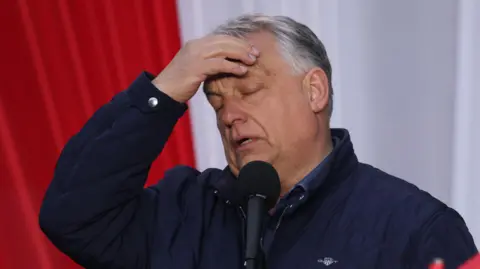
For nearly fourteen years, Orbán had wielded unprecedented control over Hungary's government apparatus, serving as prime minister and consolidating power through his Fidesz party's dominance in parliament. His tenure was marked by controversial policies regarding judicial independence, media freedom, and democratic institutions—issues that drew criticism from international observers and the European Union. The recent electoral outcome represents a clear voter mandate for change and a rejection of his approach to governance.
The electoral defeat was particularly surprising given Orbán's previous electoral successes and his party's sophisticated political machinery. Exit polls and election results showed his coalition losing significant ground across multiple constituencies and demographic groups. Urban voters, younger citizens, and progressive-leaning populations demonstrated particularly strong opposition to his continued rule, contributing to the scale of his party's losses in the national vote.
Observers note that Orbán's decision to vacate his parliamentary seat entirely differs markedly from typical European opposition politicians, who generally continue parliamentary work even after electoral losses. This choice raises questions about his future political intentions and whether he plans to remain a significant force in Hungarian public life or gradually retreat from the political spotlight. Some analysts suggest his exit from parliament may be a prelude to establishing alternative power bases outside governmental structures.
The implications for Hungary's political landscape are substantial. With Orbán's removal from parliament, his party will need to establish new opposition leadership to represent their interests in the legislative body. This transition period could prove crucial in determining whether Fidesz can rebuild its political fortunes or whether the electoral realignment represents a more permanent shift in Hungarian voters' preferences and political orientation.
International observers, particularly from the European Union and democratic watchdog organizations, have expressed interest in whether the electoral outcome and Orbán's departure might lead to democratic reforms in Hungary. During his tenure, Orbán's government faced repeated criticism for undermining judicial independence, restricting media freedom, and implementing policies that democratic advocates argued weakened institutional checks on executive power. The incoming government will face pressure to address these concerns and restore what many view as eroded democratic norms.
Orbán's political legacy remains complex and contested. Supporters credit him with strengthening Hungary's economy during his early years in power and implementing conservative social policies reflecting traditional Hungarian values. Critics, however, point to democratic backsliding, corruption allegations, and deteriorating relations with Western allies under his leadership. The electoral verdict suggests that Hungarian voters have weighed these considerations and concluded that new leadership better represents their vision for the country's future.
The timing of Orbán's parliamentary departure may influence succession dynamics within the Fidesz party. Without Orbán's direct presence in parliament, party members will need to determine whether a transitional leadership figure will manage opposition efforts or whether a new generation of conservative politicians will emerge to reshape the party's direction and messaging for future electoral campaigns.
Hungary's political transition unfolds amid broader European currents, where traditional conservative and populist movements face electoral headwinds in multiple countries. The defeat of Orbán's party suggests that voters increasingly prioritize democratic governance, institutional independence, and alignment with democratic norms—values that may have been overshadowed in previous elections by nationalist messaging and economic arguments. The incoming government will inherit significant challenges, including economic difficulties, EU relations, and the task of addressing democratic governance concerns.
As Hungarian politics enters this new chapter, questions linger about Orbán's long-term influence and whether he will fade from public prominence or reemerge as a political force. His parliamentary departure appears definitive for now, but whether it represents a temporary strategic retreat or a permanent exit from electoral politics remains to be determined. For Hungary's democratic institutions and citizens, the transition offers an opportunity to reset political norms and restore institutional independence after years of political consolidation under Orbán's leadership.
The broader implications extend beyond Hungary's borders, as Orbán's departure may influence conservative and populist movements across Europe. His electoral loss contradicts narratives about unstoppable nationalist political movements and suggests that voters remain capable of reversing political trajectories even after years of consolidated power. The result reinforces that democratic processes, when functioning properly, retain power to check even deeply entrenched political leadership and hold government accountable through regular elections.
Source: BBC News


