
Orphaned Baby Hippo Gets New Life at Kenya Wildlife Sanctuary

Bumpy, a newborn hippo found clinging to its dead mother, will be hand-reared by dedicated keepers at a Kenya sanctuary in an extraordinary rescue operation.
In a heartwarming rescue operation that underscores the challenges facing wildlife in East Africa, a newborn hippopotamus has been given a second chance at life after being discovered in tragic circumstances at a Kenyan lake. The young animal, affectionately named Bumpy by the sanctuary staff, was found desperately clinging to its deceased mother, a heartbreaking scene that prompted immediate intervention from wildlife experts and conservationists working to preserve Kenya's precious fauna.
The discovery of the orphaned calf represents yet another poignant reminder of the difficulties young animals face in the wild, where maternal loss can mean certain death for vulnerable infants unable to fend for themselves. Bumpy's situation was particularly critical given the hippo's complete dependence on its mother for nourishment, protection, and essential behavioral guidance during these formative early weeks of life. The immediate response from sanctuary personnel demonstrated the crucial role that wildlife rehabilitation centers play in saving endangered species from extinction.
Upon arrival at the Kenya sanctuary, Bumpy required immediate medical assessment and stabilization by the facility's veterinary team. The young hippo was underweight and dehydrated, showing clear signs of the trauma and stress associated with the loss of its mother and the uncertain journey to safety. Veterinarians conducted thorough examinations to rule out any congenital conditions or injuries that might have been sustained during the critical period between its mother's death and rescue, ensuring that the animal had the best possible chance of survival and recovery.
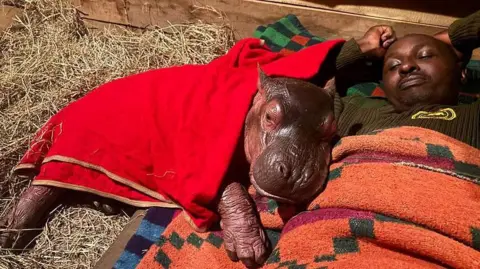
The sanctuary has now embarked on an intensive hand-rearing program designed specifically for Bumpy's unique needs and developmental stage. A dedicated team of specialized keepers, trained extensively in hippo behavior and care protocols, will oversee every aspect of the young animal's nutrition, health monitoring, and psychological well-being throughout the coming months and years. This hands-on approach requires round-the-clock commitment from the staff, who will need to establish feeding schedules, monitor growth milestones, and provide the environmental enrichment necessary for healthy development.
Feeding represents one of the most critical aspects of Bumpy's recovery, as the young hippo requires carefully formulated milk replacements that closely mimic the nutritional composition of natural hippopotamus milk. The sanctuary's nutrition experts have developed specialized formulas that provide essential proteins, fats, minerals, and vitamins necessary for proper growth and immune system development. Multiple daily feeding sessions, gradually transitioning the animal to semi-aquatic vegetation as it matures, will form the foundation of Bumpy's dietary management during this crucial period of orphaned animal rehabilitation.
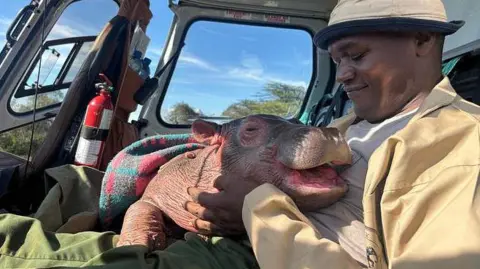
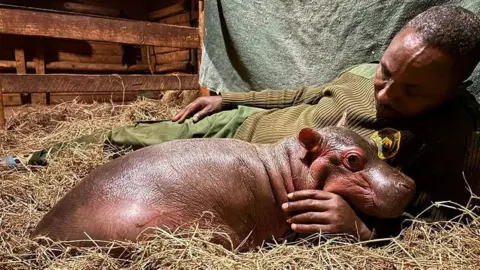
Beyond nutrition, the psychological aspect of Bumpy's care cannot be underestimated, as the young hippo has experienced profound trauma and loss at a vulnerable life stage. Keepers will provide consistent companionship and positive social interaction, helping the animal develop confidence and healthy behavioral patterns despite the absence of maternal guidance. This animal sanctuary care approach recognizes that emotional well-being is inextricably linked to physical health, and that creating a stable, nurturing environment is essential for long-term success in raising orphaned wildlife.
The long-term prospects for Bumpy's future remain cautiously optimistic, though success is far from guaranteed in such intensive wildlife rescue operations. The sanctuary has experience with hand-rearing various animal species, but each case presents unique challenges and variables that must be carefully monitored and adapted. Should Bumpy continue to thrive and develop normally, the sanctuary will eventually work toward eventual release into a protected environment where the animal could potentially establish itself within a wild hippo population, contributing to the genetic diversity and population stability of Kenya's hippopotamus communities.
This rescue operation highlights the broader conservation challenges facing Kenya's wildlife, particularly as human-wildlife conflict escalates and natural habitats continue to face pressure from human encroachment and environmental degradation. Organizations dedicated to wildlife conservation and protection must constantly balance immediate rescue operations with long-term conservation strategies designed to ensure that future generations of wild animals can thrive in their natural habitats without depending on human intervention for survival. Bumpy's story, while ultimately uplifting, serves as a cautionary tale about the fragility of wildlife populations and the critical importance of sustained conservation efforts.
The sanctuary has become a beacon of hope for countless animals in similar circumstances, attracting support from animal lovers, conservation organizations, and donors committed to preserving Kenya's extraordinary biodiversity. Bumpy's journey will be closely monitored by veterinary professionals and wildlife experts, with regular updates provided to supporters who have contributed to the rescue and rehabilitation efforts. The young hippo's progress will provide valuable insights into best practices for orphaned animal care, potentially informing future rescue operations and improving outcomes for other vulnerable wildlife in distress throughout the region and beyond.

As Bumpy continues to grow and adapt to life at the sanctuary, the story serves as an inspiring example of human compassion and dedication to animal welfare. The keepers, veterinarians, and support staff who have committed themselves to this young animal's care embody the values and determination that drive modern conservation efforts across Africa. Bumpy's survival, recovery, and eventual development will stand as a testament to what can be achieved when dedicated professionals and concerned citizens unite around the common goal of protecting and preserving the remarkable wildlife that defines Kenya's natural heritage.
Source: BBC News


